
Sealing the Deal: Essential Tips for Waterproof Bulkhead Cap Repair

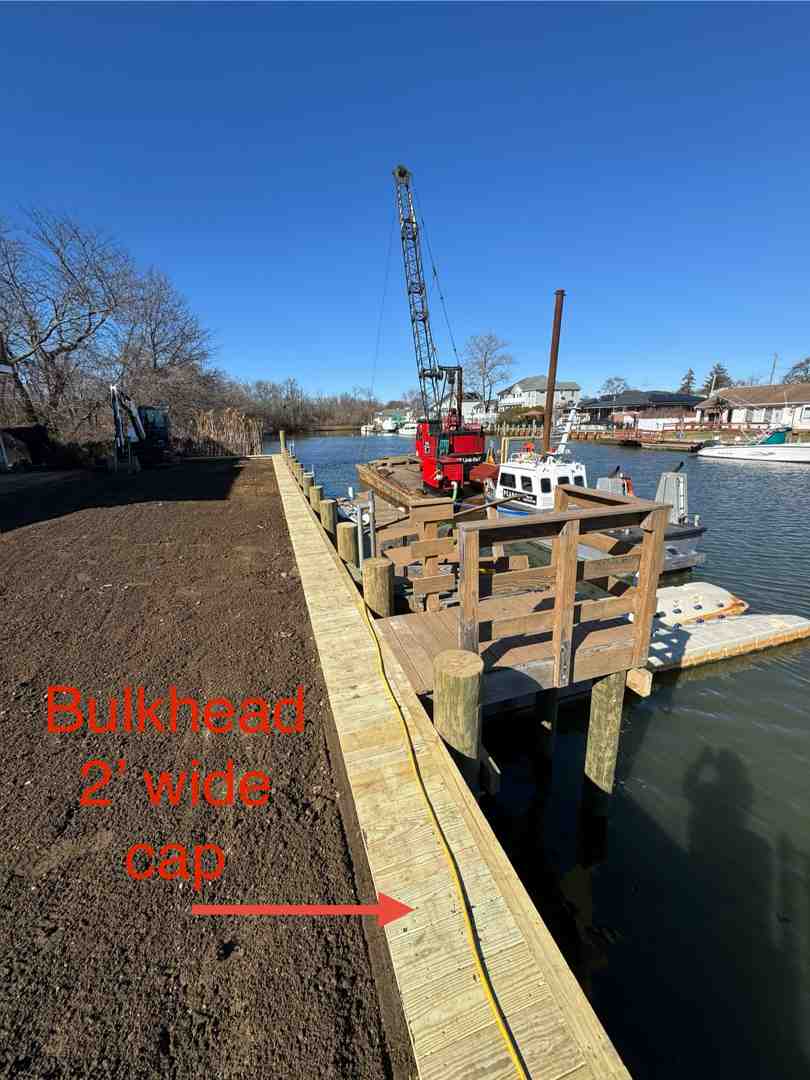
Why Bulkhead Cap Repair is Critical for Long Island Waterfront Properties
Bulkhead cap repair is the process of restoring the top protective barrier of your bulkhead system—the concrete, timber, or composite structure that seals the vertical panels and prevents water intrusion, soil loss, and structural failure. For Long Island waterfront property owners in Nassau and Suffolk Counties, a failing bulkhead cap can quickly escalate from a minor crack to catastrophic erosion, potentially costing tens of thousands of dollars in emergency repairs.
Quick Answer: Key Bulkhead Cap Repair Solutions
- Concrete Cap Patching: For minor spalling, cracks, and surface deterioration using marine-grade concrete
- Full Cap Replacement: When rot, extensive cracking, or structural failure compromises the entire cap system
- PVC Cap Installation: Long-lasting alternative to traditional timber caps, eliminating rot and decay issues
- Polyurethane Void Filling: Stabilizes soil behind failing caps and prevents further washout
- Structural Reinforcement: Helical tiebacks and supplemental anchoring for caps showing rotation or movement
Your bulkhead cap serves as the critical seal between your property and the water. When it fails, water infiltrates the backfill, creating voids and sinkholes that can swallow equipment, threaten structures, and destabilize your entire shoreline. The cap also protects the top of the vertical sheathing panels from water intrusion—particularly important for timber bulkheads where end-grain exposure accelerates rot.
Picture this: you notice a small crack in your bulkhead cap during a routine walk along your Southampton or West Islip waterfront. It seems minor. But that crack allows water to seep behind the wall with every tide cycle, slowly washing away soil and creating hidden voids. Within months, what could have been a $3,000 repair becomes a $25,000 emergency requiring excavation, soil replacement, and structural reinforcement.
The unique conditions along Long Island's shoreline—freeze-thaw cycles, saltwater exposure, tidal action, and storm surge—place exceptional stress on bulkhead caps. Professional repair requires specialized knowledge of marine construction materials, proper drainage design, and structural engineering that goes far beyond typical concrete or carpentry work.

Discover more about bulkhead cap repair:
Professional Techniques for Bulkhead Cap Repair and Restoration
When we approach a bulkhead cap repair project in Massapequa or Merrick, we aren't just looking at the surface. We are looking at the structural integrity of the entire barrier. The cap is the "helmet" of your bulkhead. If the helmet is cracked, the brain (your yard) is at risk.
One of the most common issues we see on Long Island is spalling in concrete caps. This occurs when saltwater penetrates the concrete and reaches the internal steel reinforcement. As the rebar rusts, it expands, causing the concrete to flake off or "spall." This isn't just an aesthetic issue; it exposes the structural core of the wall to the elements. To combat this, we utilize high-strength, marine-grade concrete mixes and specialized coatings that resist chloride penetration.
Hydrostatic pressure is another silent killer. When heavy rains hit Wantagh or Bellmore, water builds up behind the bulkhead. If the cap is not properly sealed or if the drainage system is clogged, this pressure can actually push the cap right off the wall or cause it to rotate outward. Modern repair techniques often involve more than just patching; they require restoring the equilibrium of the wall.
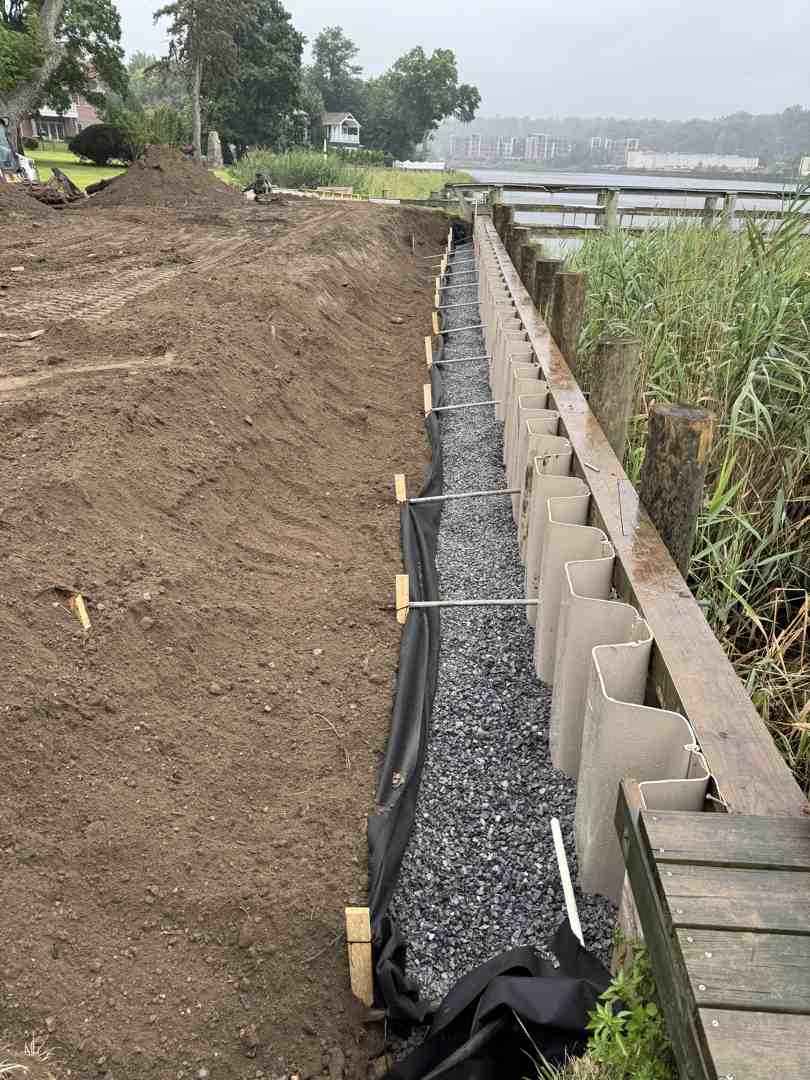
According to Scientific research on polyurethane longevity, modern hydrophobic resins can significantly extend the life of these structures by creating a permanent, watertight seal that traditional materials simply cannot match. We often integrate these resins into our bulkhead repair services to ensure that once we seal a cap, it stays sealed against the relentless Atlantic tides.
Identifying Signs of Bulkhead Cap Failure
As a property owner, you are the first line of defense. Knowing what to look for can save you a fortune. We recommend a thorough walk-through at least once a quarter, especially after a major Nor'easter hits the South Shore.
- Visible Cracking: Small "spider" cracks might seem harmless, but in a marine environment, they are gateways for saltwater. If you see a crack wide enough to fit a credit card, it’s time to call in the experts.
- Cap Rotation or Leaning: If the cap looks like it's "tipping" toward the water, your tie-back system might be failing. This is a structural emergency.
- Sinkholes and Depressions: If you notice the soil behind the cap is sagging or if actual holes are forming, water is washing out your land through a breach in the cap or joint.
- Joint Separation: Bulkhead caps are usually built in sections. If the gap between these sections is widening, the wall is shifting.
For a deeper dive into what to look for, check out our long-island-bulkhead-inspection-guide. Catching these signs early is the difference between a simple bulkhead cap repair and a total shoreline collapse.
Advanced Materials for Bulkhead Cap Repair
The days of simply slapping a pressure-treated 2x10 on top of a wall and calling it a day are over—at least for those who want their repairs to last. We utilize advanced materials designed to survive the harsh Long Island climate.
- PVC and Composite Timbers: These materials are revolutionary. Unlike traditional wood, they don't rot, they aren't bothered by marine borers, and they don't splinter. They provide the aesthetic of wood with the durability of plastic.
- Marine-Grade Concrete: We use mixes with a low water-to-cement ratio (typically <0.40) and fiber reinforcement to minimize shrinkage and cracking.
- Stainless Steel Hardware: In the salt air of Brightwaters or Bayshore, galvanized steel just doesn't cut it long-term. We insist on 304 or 316 stainless steel for all fasteners and brackets.
- Epoxy and Urethane Injections: These are used to "weld" cracks back together, creating a bond that is often stronger than the original material.
For more technical details on concrete applications, see our concrete-bulkhead-repair-ultimate-guide.
Structural Reinforcement and Polyurethane Injection
Sometimes, the cap is failing because the ground beneath it has turned into Swiss cheese. This is where bulkhead washout repair comes into play. If there are voids behind your wall, the cap has no support and will eventually crack or sink.
We use a "game-changer" technique: polyurethane foam injection. We inject a high-density, hydrophobic (water-hating) foam into the soil behind the bulkhead. This foam expands to fill every nook and cranny, stabilizing the soil and creating a secondary waterproof barrier.
This process is non-invasive—no heavy excavators tearing up your lawn in West Hampton. It's fast, environmentally safe (NSF/ANSI 61 certified), and incredibly effective. If the wall is leaning, we may also install helical tiebacks. These are essentially large screws that we drive deep into stable soil and anchor to the bulkhead cap, pulling the wall back into alignment and locking it there.
Learn more about this process in our guide to bulkhead-washout-repair.
Long Island Standards for Bulkhead Maintenance and Longevity
Living on the water in Nassau or Suffolk County is a dream, but it comes with the responsibility of maintaining your "first line of defense." A well-maintained bulkhead cap can extend the life of your entire structure by 15 to 20 years.
In the marine construction world, we often talk about the difference between bulkheads and seawalls. While they serve similar purposes, bulkheads are specifically designed to hold back soil and manage water pressure. Because they are "permeable" by design (allowing water to flow through weep holes), the cap's role in preventing "over-topping" washout is paramount.
At Pearce Marine Construction, we follow a rigorous standard for all seawalls-and-bulkheads we service. This includes ensuring proper "pitch" (usually 15-30 degrees) so water runs off the cap and into the bay, rather than pooling and seeping into the structure.
When to Choose Repair Over Full Replacement
This is the $60,000 question. Literally. A full bulkhead replacement can easily exceed $60,000 for a standard residential lot, whereas a bulkhead cap repair might only cost a few thousand.
We generally use the 75% Rule: If the cost of repairing the cap and stabilizing the wall exceeds 75% of the cost of a new bulkhead, it’s time to build new. However, if the vertical panels (the "skin" of the wall) are still in good shape, a cap restoration is almost always the smarter financial move.
Factors that favor repair:
- The vertical sheathing is solid and not bowing significantly.
- The "toe" (the bottom of the wall) is still firmly embedded in the mudline.
- The damage is localized to the top 2-3 feet of the structure.
Factors that demand replacement:
- Extensive timber rot through the entire thickness of the panels.
- The wall is leaning more than 10 degrees from vertical.
- The foundation is "undermined," meaning water has scoured out the bottom.
For more on budgeting, see our breakdown on the cost-of-bulkhead.
The Professional Bulkhead Cap Repair Process
Repairing a bulkhead cap isn't a weekend DIY project; it's a precision engineering task. When you hire a professional bulkhead-contractor, here is the process you should expect:
- Site Preparation and Tide Timing: We work with the cycles of the moon. Many repairs must be performed at low tide to ensure the substrate is as dry as possible.
- Surface Preparation: For concrete caps, this means using a chipping hammer to remove "unsound" material until we hit solid concrete. We then abrasive-blast the area to clean the rebar and the bonding surface.
- Form-and-Pour: We build custom wooden forms around the damaged area. This isn't just to hold the concrete; it protects the new material from being washed away by the next high tide before it can cure.
- Vibration Consolidation: We use internal vibrators to ensure the new concrete or repair material fills every void and bonds tightly to the existing structure.
- Sealing: Once cured, we apply high-quality marine sealants to the joints. This prevents the "freeze-thaw" cycle from prying the new repair apart during a cold Long Island winter.
Selecting a Specialist for Bulkhead Cap Repair in Suffolk County
Shoreline construction is a specialized field. You wouldn't ask a podiatrist to perform heart surgery; similarly, you shouldn't ask a general house contractor to fix your bulkhead.
Pearce Marine Construction brings generational expertise to every project. As a woman-owned business based right here on Long Island, we understand the specific regulatory requirements of the NYS Department of Environmental Conservation (DEC) and local town codes from Cold Spring Harbor to West Hampton.
We serve the following areas with pride:
- Nassau County: Massapequa, Merrick, Wantagh, Bellmore.
- Suffolk County: West Islip, Babylon, Bayshore, Huntington, Lloyd Harbor, and the Hamptons.
When you work with us, you aren't just getting a patch job. You are getting a solution backed by decades of experience working with Long Island’s unique tides and soils. We provide detailed estimates, handle the complex permitting process, and offer warranties that give you peace of mind.
If you’ve noticed a sinkhole forming or a crack in your cap, don't wait for the next storm to turn it into a catastrophe. Protect your investment today.
For residents specifically in the eastern part of the island, see our bulkhead-repair-suffolk-county guide for localized insights.
Ready to secure your shoreline?Contact Pearce Marine Construction today for a free evaluation.

%20(1).webp)

Bring Your Vision to Life
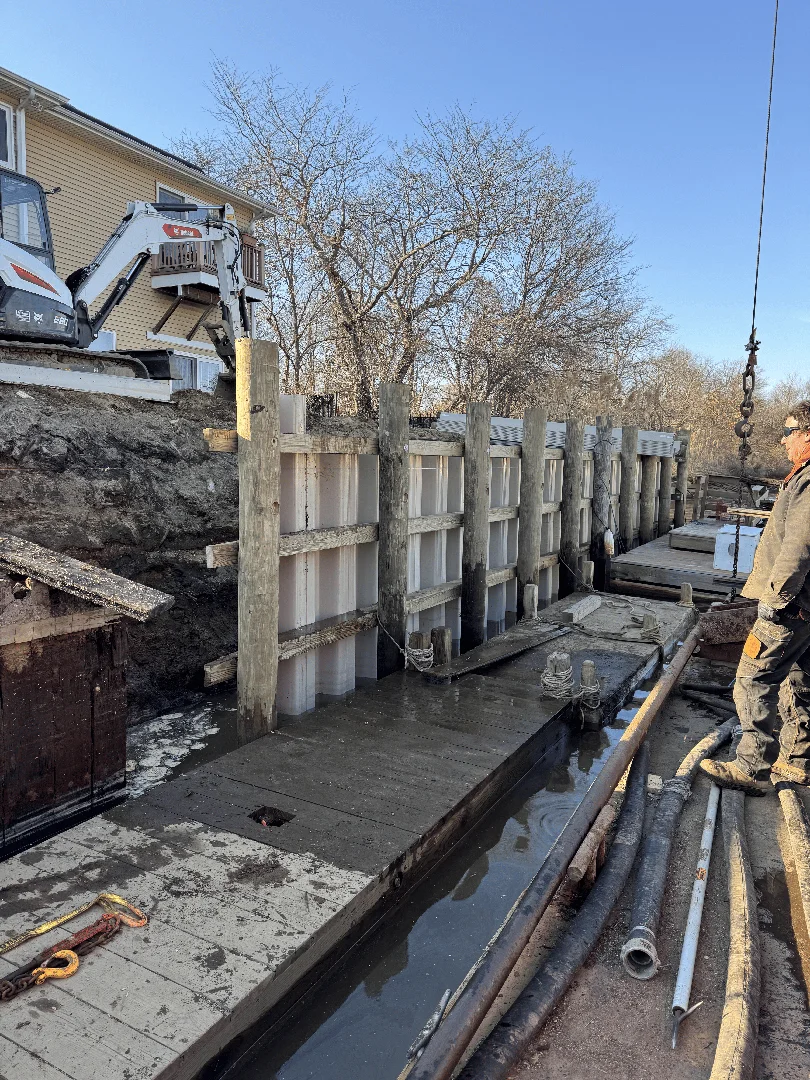
Whether you're planning a custom dock, seawall, or boat lift, our experienced team is ready to deliver high-quality marine construction tailored to your needs. Pearce Marine Construction brings craftsmanship, precision, and a deep understanding of Florida’s waterways to every project. Let us help you create a durable, beautiful solution that stands the test of time. Get in touch now for a personalized estimate!