
Marine Construction 101: From Docks to Bulkheads


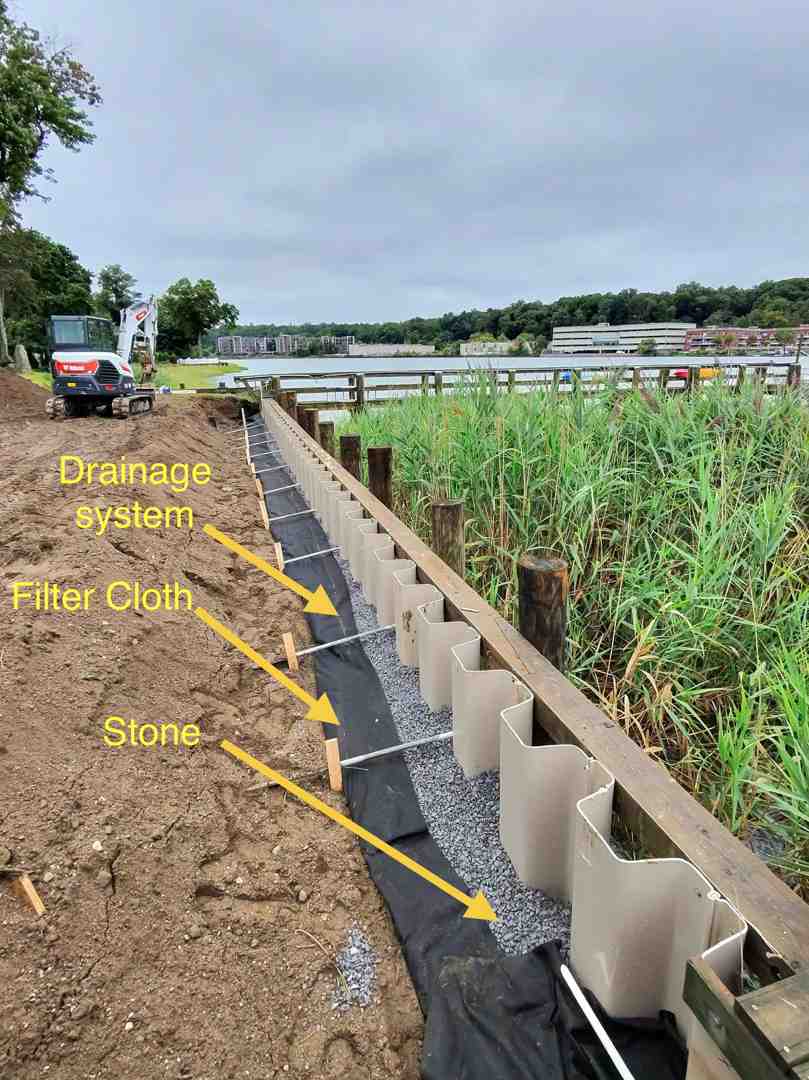
Marine construction is a specialized field focused on building and maintaining structures in ocean, river, and lake environments. It’s critical for creating and preserving docks, bulkheads, and other shoreline structures that protect communities from erosion and flooding.
Overview: Marine construction involves crafting sturdy and enduring structures in diverse water environments. Projects range from docks and seawalls to bulkheads and piers, all essential for protecting our shorelines and enhancing property values.
Purpose: These services are crucial for preventing erosion, ensuring structural stability, and supporting transportation and recreational activities in aquatic settings.
Pearce Marine Construction has over three generations of expertise in this area. They focus on delivering quality marine structures to Long Island's commercial and residential property owners. With a commitment to meticulous craftsmanship and timely project completion, Pearce Marine Construction stands out for their ability to meet the demanding needs of their clients.
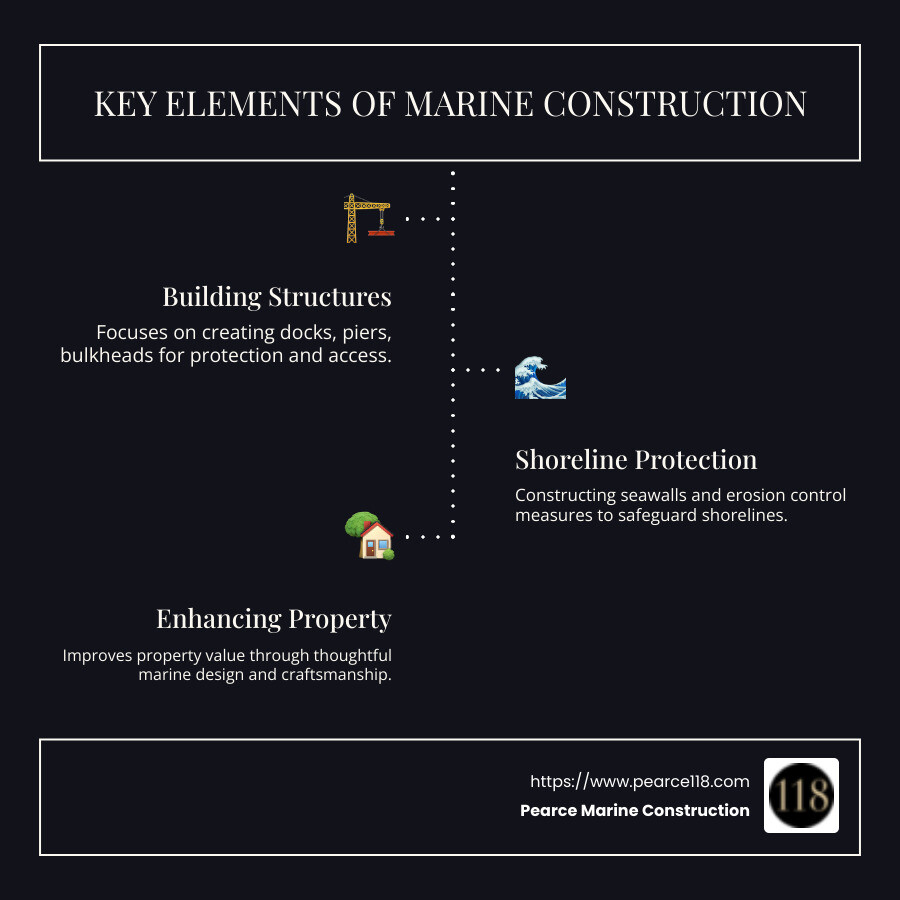
Quick marine construction definitions:
What is Marine Construction?
Marine construction involves building and maintaining structures in or near water. This field is crucial for various purposes, including transportation, energy production, and recreation.
Definition
Marine construction focuses on creating structures like docks, bulkheads, piers, and more in water environments. These structures are vital for protecting shorelines, supporting buildings, and providing access to water for transportation and leisure activities.
Structures
- Docks and Piers: These provide access to water for boats and other watercraft. They are also used for fishing, swimming, and other recreational activities.
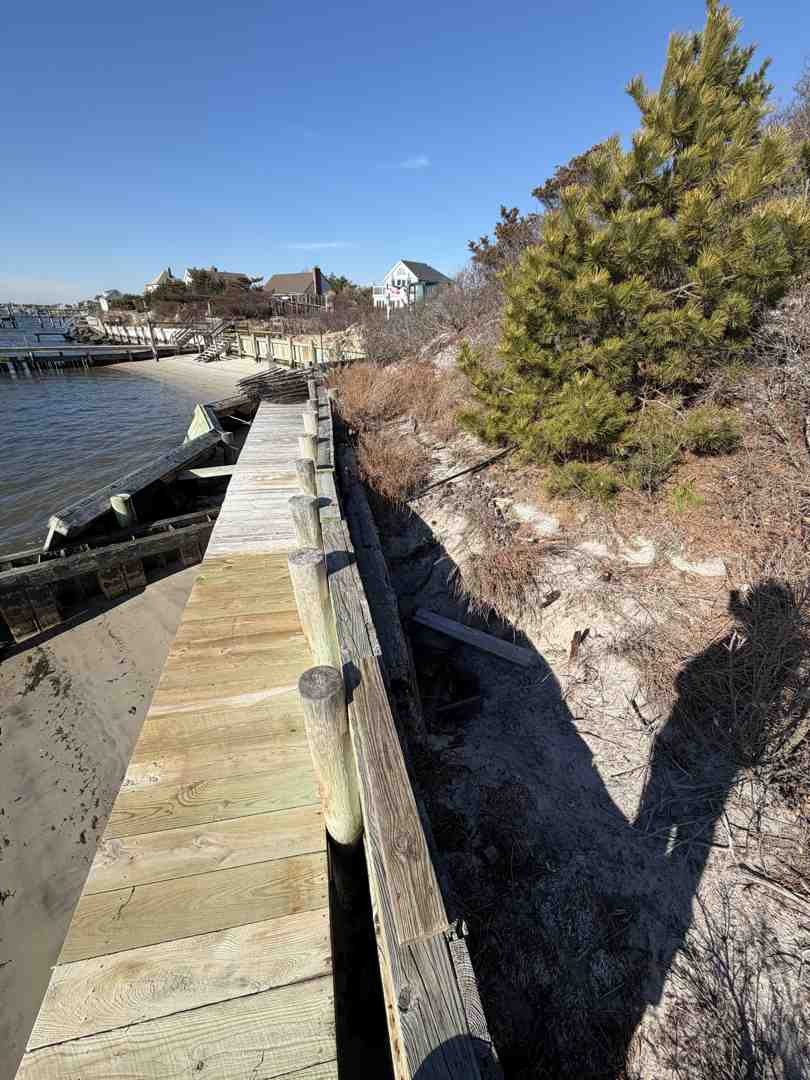
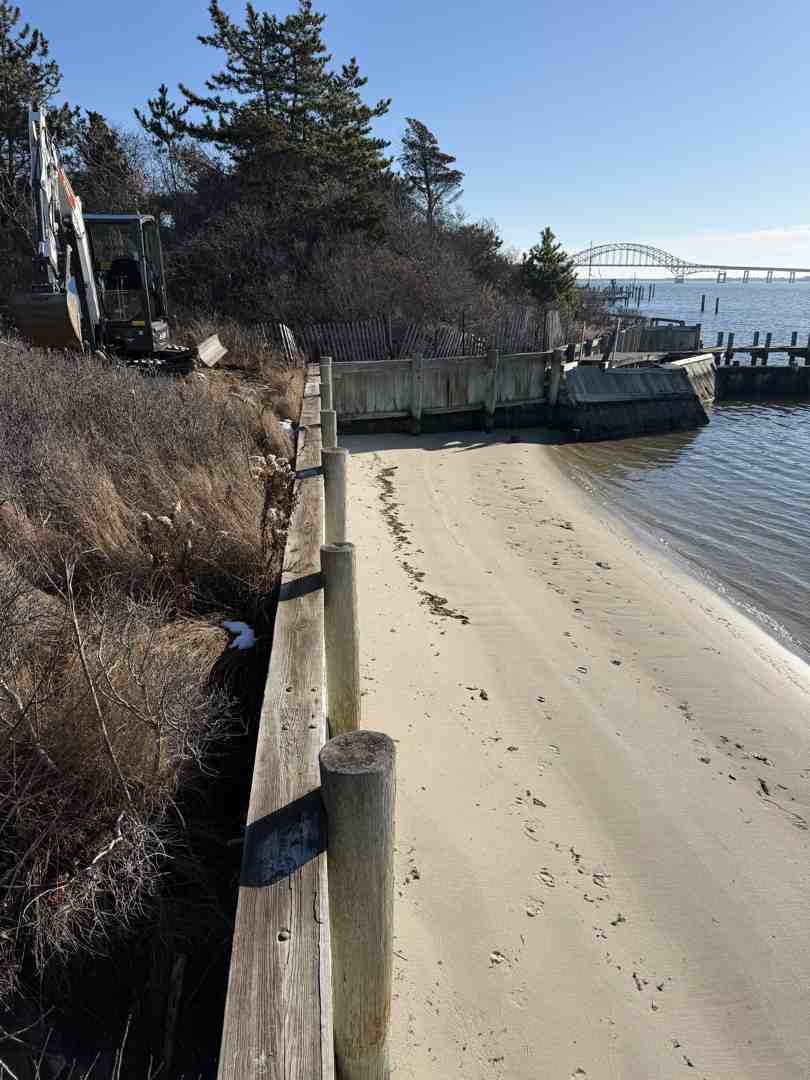
- Bulkheads: These are barriers that prevent erosion and protect property from waves and storms. They are essential for maintaining the integrity of waterfront properties.

Purposes
- Transportation: Marine construction is crucial for transportation infrastructure, such as ferry terminals and cargo docks. These structures facilitate the movement of goods and people across bodies of water.
- Energy Production: Marine construction supports energy production facilities like offshore wind farms and oil rigs. These structures help harness energy from water sources.
- Recreation: Marine construction improves recreational activities by building and maintaining structures like floating docks, walkways, and decks. These amenities make it easier for people to enjoy water sports, fishing, and boating.
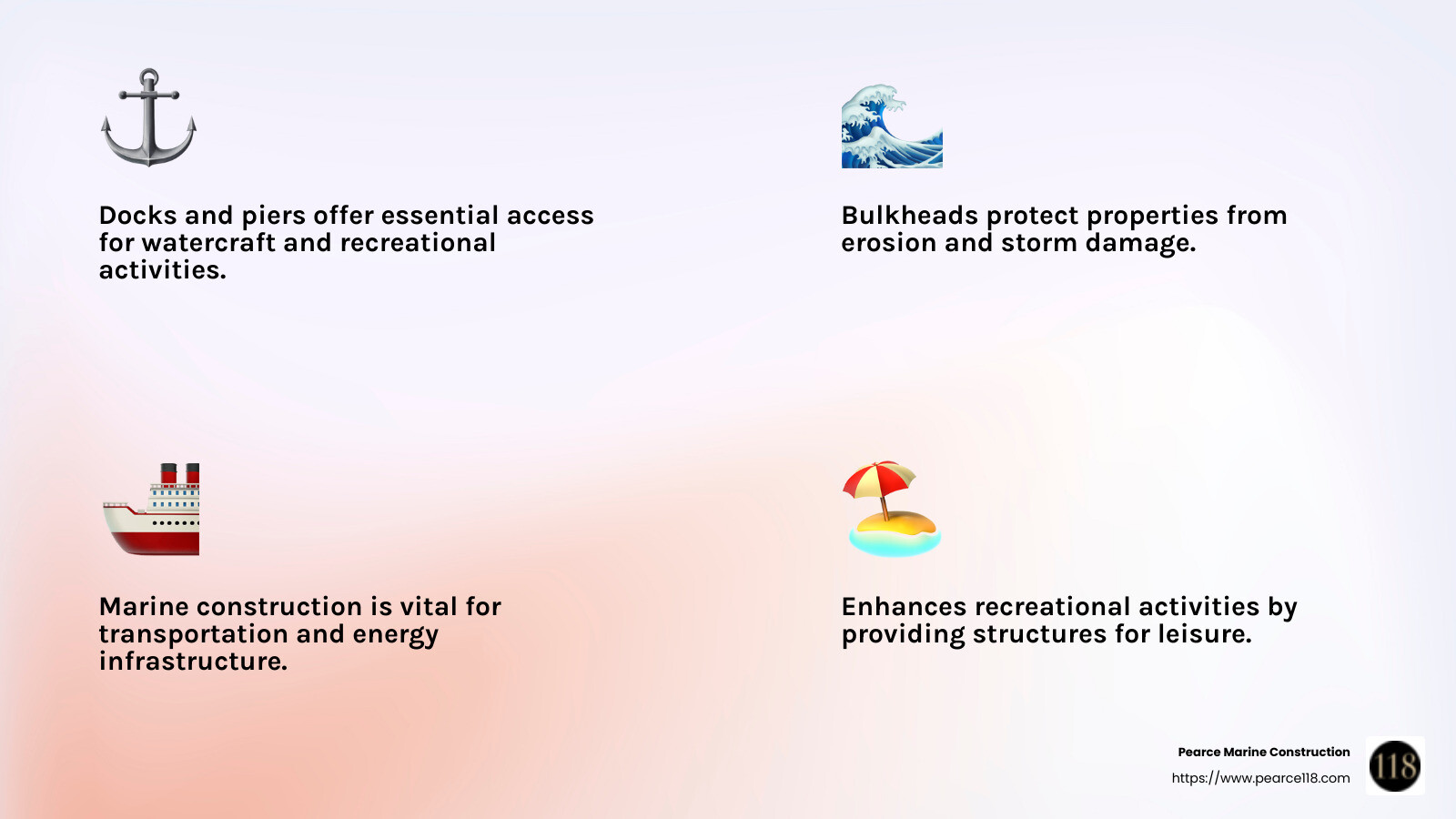
By understanding the various aspects of marine construction, you can appreciate its importance in protecting and enhancing waterfront properties, supporting transportation and energy needs, and providing recreational opportunities.
Key Components of Marine Construction
When it comes to marine construction, several key components play a vital role in ensuring the safety, functionality, and beauty of waterfront properties. Let's explore these essential elements:
Docks
Docks are platforms built over water, providing access for boats and recreational activities. They come in various types, including floating, fixed, and combination docks.
Materials: Common materials include pressure-treated pine, composite decking, and aluminum. Each offers different benefits like durability and resistance to rot and corrosion.
Construction Process: Building a dock involves site assessment, material selection, and installation. The process varies based on the type and location of the dock.
Bulkheads
Bulkheads are vertical barriers designed to prevent shoreline erosion and protect properties from wave action. They are crucial for maintaining the stability and integrity of waterfront areas.
Types: Bulkheads can be made from concrete, steel, or vinyl. Each type offers unique advantages, such as strength or resistance to environmental factors.
Construction Process: The process involves site preparation, driving piles for support, and installing the bulkhead material. Proper design and engineering are essential to withstand water pressure.
Piers
Piers extend from the shore into the water and are used for docking boats, fishing, and other activities. They provide vital access to the water.
Materials: Like docks, piers are often constructed with wood, steel, or composite materials. The choice depends on the intended use and environmental conditions.
Construction Process: Building a pier involves pile driving, framing, and decking. The process must account for water depth, tides, and load requirements.
Seawalls
Seawalls are structures built parallel to the shoreline to protect against erosion and flooding. They act as a first line of defense against the elements.
Types: Seawalls can be constructed from concrete, steel sheet piles, or rock. Each material offers different levels of protection and durability.
Construction Process: Seawall construction involves excavation, foundation preparation, and material placement. Proper design ensures the wall withstands the forces of water and weather.
Boat Lifts and Boathouses
Boat lifts and boathouses provide storage and protection for watercraft. They help maintain the condition of boats by keeping them out of the water when not in use.
Types: Options include 4-post lifts for smaller boats and elevator lifts for larger vessels. Custom solutions are available for specific needs.
Construction Process: Installation involves assessing the site, selecting the appropriate lift or boathouse design, and ensuring proper anchoring and stability.
Erosion Control and Living Shorelines
Erosion control measures, like rip rap and living shorelines, help stabilize and protect the shoreline from natural forces.
Living Shorelines: These use natural materials and vegetation to reduce erosion while enhancing habitat for wildlife. They offer a sustainable alternative to traditional hard structures.
Construction Process: Implementing erosion control involves site assessment, selecting appropriate materials, and careful placement to blend with the natural environment.
Each of these components plays a crucial role in marine construction, ensuring the protection, functionality, and enjoyment of waterfront properties. Whether it's building a sturdy dock or installing a protective seawall, these elements form the backbone of successful marine projects.
Marine Construction Techniques and Materials
In marine construction, using the right techniques and materials is key to building structures that last and perform well in harsh water environments. Let's explore some of the most common methods and materials used today.
Construction Techniques
Pile Driving
Pile driving is essential for creating strong foundations in water. It involves hammering piles into the seabed to support structures like docks and piers. This ensures stability, especially in areas with soft or shifting soils.
Cofferdams
Cofferdams are temporary enclosures built within or around a body of water to allow construction work in dry conditions. They are crucial for projects like bridge repairs or pier installations, where water needs to be kept at bay.
Fender Systems
Fender systems protect marine structures from impact damage. They are often installed on docks and piers to absorb the energy from vessels coming into contact with these structures.
Subaqueous Circuits
These circuits involve laying cables and pipes underwater, often for power transmission or communication. They require precise planning and execution to prevent damage and ensure functionality.
Materials
Wood
Wood remains a popular choice for docks and piers due to its natural appearance and versatility. Pressure-treated pine is often used because it resists rot and insect damage, making it suitable for marine environments.
Concrete
Concrete is prized for its strength and durability. It's used in seawalls and bulkheads to protect against erosion and harsh weather. Its ability to withstand water pressure makes it a reliable choice for many marine structures.
HDPE (High-Density Polyethylene)
HDPE is a plastic known for its toughness and resistance to chemicals and water. It's used in various marine applications, including floating docks and pipelines, due to its lightweight and long-lasting properties.
Marine Board
Marine board is a type of HDPE specifically designed for marine use. It's resistant to saltwater, sun, and marine organisms, making it ideal for boat parts and dock surfaces.
COASTALOCK and ECOncrete
These are innovative materials that improve durability and environmental performance. COASTALOCK offers interlocking units for erosion control, while ECOncrete promotes marine life growth on its surfaces, providing ecological benefits alongside structural strength.
Bio-Improved Materials
These materials are engineered to reduce environmental impact. They incorporate natural elements and processes to improve the sustainability of marine construction projects.
Each technique and material has its own set of advantages, making it suitable for different types of marine projects. Whether you're stabilizing a shoreline with pile driving or selecting eco-friendly materials like ECOncrete, choosing the right approach is crucial for success.
By understanding these techniques and materials, you can ensure that your marine construction project is both robust and environmentally friendly.
Risks and Challenges in Marine Construction
Marine construction comes with its own set of unique risks and challenges. Understanding these can help in planning and executing projects more effectively.
Equipment Risks
Working in marine environments means dealing with specialized equipment, often in harsh conditions. Equipment like pile drivers and cofferdams is critical but can be prone to damage from saltwater, corrosion, and constant use. Regular maintenance is essential to keep everything in working order.
Theft and Vandalism
Construction sites, especially those in remote or less secure areas, can be targets for theft and vandalism. Equipment and materials left unattended are vulnerable. Implementing security measures like surveillance cameras and hiring security personnel can mitigate these risks.
Loss of Equipment
The marine environment is unpredictable. Rough waters and strong tides can lead to the loss of equipment. For instance, heavy machinery might get swept away if not properly secured. Using anchors and other securing methods can help prevent such losses.
Project Delays
Delays are a common challenge in marine construction. Weather conditions, such as storms or high tides, can halt work unexpectedly. Additionally, obtaining the necessary permits can take time, often between 9-12 months, as noted in Suffolk's regulatory landscape . Working with experienced contractors who understand these regulatory processes can help minimize delays.
Productivity Impairment
Various factors can impair productivity in marine construction. Equipment breakdowns, adverse weather, and unforeseen site conditions can slow down work. For example, unstable soil might require additional stabilization efforts, such as using helical piles.
To tackle these challenges, it’s crucial to have a well-thought-out plan and contingency measures in place. By anticipating potential setbacks, marine construction projects can proceed more smoothly, ensuring successful completion.
Benefits of Marine Construction
Marine construction offers numerous benefits that make it an essential part of waterfront property development. Here’s a look at some key advantages:
Durability
Marine structures are built to last. Whether it’s a dock, bulkhead, or seawall, these constructions are designed to withstand harsh marine environments. For example, the use of materials like HDPE and marine board ensures longevity and resistance to saltwater and corrosion. This durability means less frequent repairs and replacements, saving money over time.
Beauty
A well-designed marine structure can significantly improve the visual appeal of a waterfront property. Docks and piers provide inviting spaces for relaxation and recreation, while stylish bulkheads and seawalls create a polished look. As one client noted, "The peace of mind you gain from quality marine construction allows you to enjoy your property to the fullest."
Shoreline Protection
Protecting the shoreline is crucial for maintaining the integrity of waterfront properties. Structures like bulkheads and living shorelines act as barriers against erosion and storm surges. This protection helps prevent land loss and damage to property, ensuring that your investment remains safe and secure.
Property Value Improvement
Investing in marine construction can boost the value of your property. Homes with well-maintained docks, piers, and seawalls are often more attractive to buyers. They offer added functionality and aesthetic appeal, which can lead to higher resale values. As seen in communities throughout Palm Beach County, docks and seawalls have been enhancing home values for over 35 years.
Ecological Benefits
Modern marine construction techniques focus on minimizing environmental impact. For instance, using bio-improved materials and creating living shorelines can support local ecosystems. These approaches help preserve natural habitats while still providing the benefits of traditional marine structures.
By understanding these advantages, it becomes clear why marine construction is a wise investment for any waterfront property owner. Next, we'll dig into some frequently asked questions to further explain marine construction.
Frequently Asked Questions about Marine Construction
What is meant by marine construction?
Marine construction involves building and maintaining structures in or near water. These structures, such as docks, bulkheads, and piers, serve various purposes. They protect shorelines, support buildings, and provide access to water for activities like transportation and recreation. Marine construction is essential for safeguarding waterfront properties and ensuring their functionality and beauty.
Is marine construction profitable?
The profitability of marine construction can vary. While overhead costs such as materials, labor, and permits can be significant, the potential profits are promising. Well-executed projects can improve property values and attract more clients. This is evident in places like Palm Beach County, where marine structures have been boosting home values for decades. The key to profitability lies in efficient project management and the use of durable materials that minimize long-term maintenance costs.
What are the risks of marine construction?
Like any construction project, marine construction comes with its own set of risks. Equipment risks include damage or loss due to harsh marine conditions, theft, or vandalism. Project delays can occur due to weather conditions, regulatory problems, or unforeseen site issues. These delays can impair productivity and increase costs. Understanding these risks and implementing strategies to mitigate them is crucial for a successful marine construction project.
Conclusion
In marine construction, Pearce Marine Construction stands out with its commitment to quality and expertise. Our woman-owned company, based in Long Island, NY, specializes in building and maintaining essential structures like docks, bulkheads, and seawalls. These structures not only protect shorelines but also improve property value and provide access for recreational activities.
At Pearce Marine Construction, our generational expertise is our unique strength. With decades of experience passed down through our team, we offer meticulous craftsmanship that ensures every project is executed with precision and care. Our focus is always on delivering top-notch results that meet our clients' visions and exceed their expectations.
If you're considering a marine construction project or need more information, we encourage you to reach out. Our dedicated team is ready to assist you with your needs and provide a seamless experience from start to finish. You can contact us here for a consultation and learn more about how we can help bring your waterfront dreams to life.
In summary, marine construction is a vital industry that supports and improves waterfront properties. With Pearce Marine Construction, you get the benefit of our generational expertise and meticulous craftsmanship, ensuring that your project is not only successful but also a valuable investment for the future.
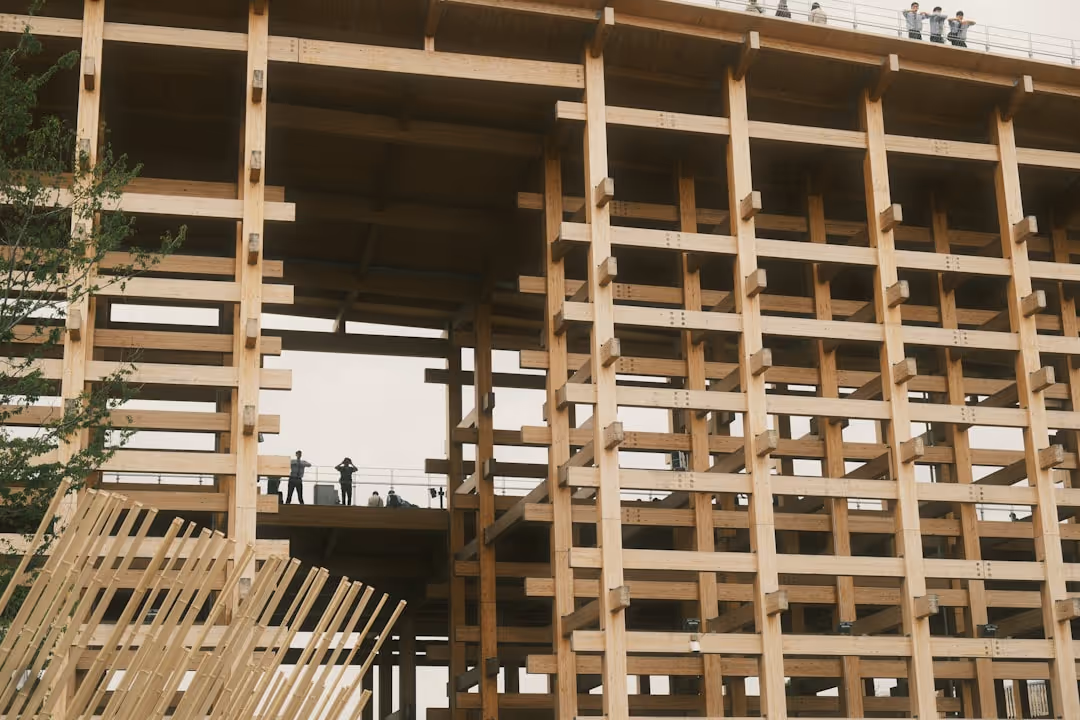

Bring Your Vision to Life
Whether you're planning a custom dock, seawall, or boat lift, our experienced team is ready to deliver high-quality marine construction tailored to your needs. Pearce Marine Construction brings craftsmanship, precision, and a deep understanding of Florida’s waterways to every project. Let us help you create a durable, beautiful solution that stands the test of time. Get in touch now for a personalized estimate!