
Docking Decisions: Bulkhead vs Dock Explained

_compressed.avif)
Bulkhead dock is a term that often pops up when discussing waterfront properties. So, what's the buzz about? In a nutshell, a bulkhead dock combines the functionality of a bulkhead with the accessibility of a dock. Here's what you need to know right away:
- Bulkhead: A crucial barrier that protects shorelines from erosion and storm damage.
- Dock: A structure that extends over or floats on water, providing access for boats and recreational activities.
These constructs work together to offer robust shoreline protection, ensuring your property is safeguarded against erosion while easily accessing the water.
When you're living on Long Island—a place where your waterfront property might often combat the elements—a well-constructed bulkhead is your first line of defense against water erosion. Pair it with a dock, and not only do you shield your land, but you also lift its utility and charm. Whether the challenge is the battering waves or shifting soil, a combined solution addresses both protection and usage needs.
By expertly integrating bulkheads and docks, Pearce Marine Construction provides durable and customized solutions custom to withstand local conditions. Their meticulous craftsmanship and decades of expertise ensure your property remains not just protected, but also improved.

Bulkhead dock terms to know:
Understanding Bulkheads
Bulkheads are essential for protecting waterfront properties from erosion and storm damage. They act as barriers that retain soil, prevent erosion, and redirect wave energy. Let's explore the different types of bulkheads and what to consider during installation.
Types of Bulkheads
Wooden Bulkheads
Wooden bulkheads are often the least expensive option. They use pilings driven into the ground for support. The structure includes rough-cut whalers and vertical sheeting to hold back soil. Despite their lower cost, wooden bulkheads require regular maintenance to prevent decay and damage.
Vinyl Bulkheads
Vinyl bulkheads offer a durable, low-maintenance alternative. They use vinyl sheet piling, which is bolted to wooden whalers. This type of bulkhead is resistant to marine borers and harsh weather, making it a popular choice for many waterfront properties.
Concrete Bulkheads
Concrete bulkheads are the strongest and most long-lasting option. They use a combination of pilings, rebar, and highway mesh wire to create a robust structure. Concrete is poured into forms to create a solid barrier that withstands significant wave impact and erosion.
Bulkhead Installation Considerations
When installing a bulkhead, several site-specific factors must be considered:
Water Depth and Level Changes: The depth and fluctuation of water levels can significantly impact the choice of materials and design.
Wave Forces: The intensity and direction of waves influence the bulkhead's design to ensure it can redirect wave energy effectively.
Soil Erosion: Understanding the soil type and erosion patterns helps in designing a bulkhead that adequately retains soil and prevents further erosion.
Anchoring Systems: Proper anchoring is vital for stability. Systems like dead man pilings or galvanized rods can anchor the bulkhead securely.
Environmental Guidelines: Compliance with local environmental regulations is crucial. This includes ensuring minimal disruption to aquatic habitats and adhering to construction guidelines.
By understanding these factors, Pearce Marine Construction can tailor bulkhead installations to meet the unique needs of each site, ensuring long-lasting protection and peace of mind.

Next, we'll explore the different types of docking systems and how they complement bulkheads to improve waterfront properties.
Exploring Docks
Docks are crucial for accessing and enjoying waterfront properties. They come in various types and configurations, each serving different needs and conditions. Let's explore the different types of docking systems and the considerations for their installation.
Types of Docking Systems
Floating Docks
Floating docks are versatile structures that rest on the water's surface. They rise and fall with water levels, making them ideal for areas with fluctuating tides. Floating docks are easy to install and adjust, providing flexibility in various water conditions.
Fixed Docks
Fixed docks are anchored to the lakebed or seabed using pilings. They remain stable regardless of water level changes. This stability makes them suitable for areas with minimal tidal movement. However, they may require more maintenance in regions with significant wave action.
Custom Dock Systems
Custom dock systems offer custom solutions to fit specific property needs. They can combine elements of floating and fixed docks, or include unique features like swim platforms or kayak launches. Custom docks are designed with marine-grade materials to withstand harsh weather and water conditions.
Dock Installation Considerations
When installing a dock, several factors must be considered to ensure its longevity and functionality:
Water Depth: The depth of the water affects the choice of dock type. Fixed docks require specific water depths for proper installation, while floating docks can adapt to varying depths.
Wave Forces: The intensity and direction of wave forces play a crucial role in dock design. Docks must be sturdy enough to withstand these forces without compromising structural integrity.
Material Selection: Choosing the right materials is vital for durability. Options include pressure-treated wood, composite decking, and aluminum. Each has its advantages, such as low maintenance or lightweight strength.
By carefully considering these factors, Pearce Marine Construction ensures that each dock is not only functional but also improves the property's aesthetic and utility. Custom solutions are crafted to meet the unique challenges of Long Island's coastal properties, providing reliable access to the water for years to come.
Next, we'll dig into the benefits of combining bulkhead and dock systems to maximize shoreline protection and usability.
Bulkhead Dock: A Comprehensive Comparison
When it comes to waterfront construction, choosing between a bulkhead dock and a traditional dock involves weighing various benefits and installation differences. Let's explore what each offers.
Bulkhead Dock Advantages
Durability and Soil Retention
A bulkhead dock is a robust structure designed to protect shorelines from erosion. It acts as a barrier, holding the soil in place and preventing it from being washed away by water. Vinyl bulkheads, for instance, are known for their long-lasting nature, resisting rust and corrosion effectively.
Erosion Control
Bulkheads are a primary defense against erosion, safeguarding your property from water damage. By redirecting wave energy, they minimize the impact of waves on the shoreline. This means less soil loss and more stable land over time.
Installation Differences
Installing a bulkhead dock involves careful consideration of site-specific factors like soil type and water depth. Anchoring systems must be custom to the unique conditions of each location to ensure the bulkhead remains secure and effective.
Dock Advantages
Versatility and Accessibility
Docks, on the other hand, offer unparalleled versatility. Whether you choose a floating dock that adjusts with the tide or a fixed dock for stable waters, docks provide easy access to the water. This makes them ideal for recreational activities like boating and fishing.
Customization
Docks can be customized to fit your specific needs. From adding a kayak launch to integrating a swim platform, the possibilities are endless. Custom dock systems can be designed to blend seamlessly with the landscape while meeting practical requirements.
Installation Differences
Dock installation focuses on factors like water depth and wave forces. Unlike bulkheads, docks may require less intensive anchoring systems, but they must be built to withstand the specific environmental conditions of the site. Material selection is crucial, with options like marine-grade wood and composite decking offering durability and aesthetic appeal.
In summary, while bulkhead docks provide essential shoreline protection and soil retention, traditional docks excel in versatility and customization. Each has its unique set of advantages, making them suitable for different needs and preferences. As you consider these options, understanding their distinct benefits and installation requirements can help you make an informed decision for your waterfront property.
Next, we'll address some frequently asked questions about bulkhead docks to further clarify their purpose and benefits.
Frequently Asked Questions about Bulkhead Docks
What is a bulkhead in a dock?
A bulkhead in a dock acts as a shoreline barrier. It is a retaining wall that prevents soil from slipping into the water, ensuring that the land remains intact. This is crucial for protecting properties situated near the water's edge. By holding the soil in place, bulkheads help maintain the natural shape of the shoreline. This stability is essential in areas prone to erosion due to water activity.
What is the purpose of a bulkhead?
The primary purpose of a bulkhead is erosion resistance and wave action management. Bulkheads are designed to absorb and redirect the energy of waves, reducing their impact on the shoreline. This helps prevent the loss of soil and protects the land from being eroded by constant water movement. By acting as a buffer, bulkheads safeguard waterfront properties from potential water damage, making them a vital component of coastal construction.
What is the difference between a bulkhead and a seawall?
While both bulkheads and seawalls aim to provide shoreline stabilization and wave protection, they serve slightly different purposes. A bulkhead primarily focuses on retaining soil and preventing erosion. It is often used in areas where the land needs to be held back from the water. On the other hand, a seawall is designed to protect against larger wave forces and is typically found in more exposed coastal areas. Seawalls are built to withstand the direct impact of waves, providing a stronger line of defense against the sea. Therefore, the choice between a bulkhead and seawall depends on the specific environmental conditions and the level of protection required.
Conclusion
At Pearce Marine Construction, we pride ourselves on our generational expertise and meticulous craftsmanship. Located in Long Island, NY, we have been serving Nassau and Suffolk County with dedication and skill. Our team specializes in building durable bulkheads, docks, and shoreline protection systems that stand the test of time.
Why Choose Us?
Generational Expertise: With decades of experience passed down through generations, we bring a wealth of knowledge and insight to every project. This ensures that we deliver solutions custom to the unique challenges of marine construction.
Meticulous Craftsmanship: Attention to detail is at the heart of everything we do. From the initial design to the final installation, our focus is on creating high-quality structures that not only meet but exceed expectations.
Commitment to Quality: We use only top-grade materials and the latest techniques to ensure that our installations are robust and reliable. Whether it's a bulkhead dock or a custom pier, you can trust us to provide exceptional results.
By choosing Pearce Marine Construction, you're not just getting a service; you're investing in a legacy of quality and reliability. Let us help you transform your waterfront property with structures that offer both protection and beauty.
For more information on our services, visit our Seawalls and Bulkheads page.
Contact us today to start building your dream waterfront!



Bring Your Vision to Life
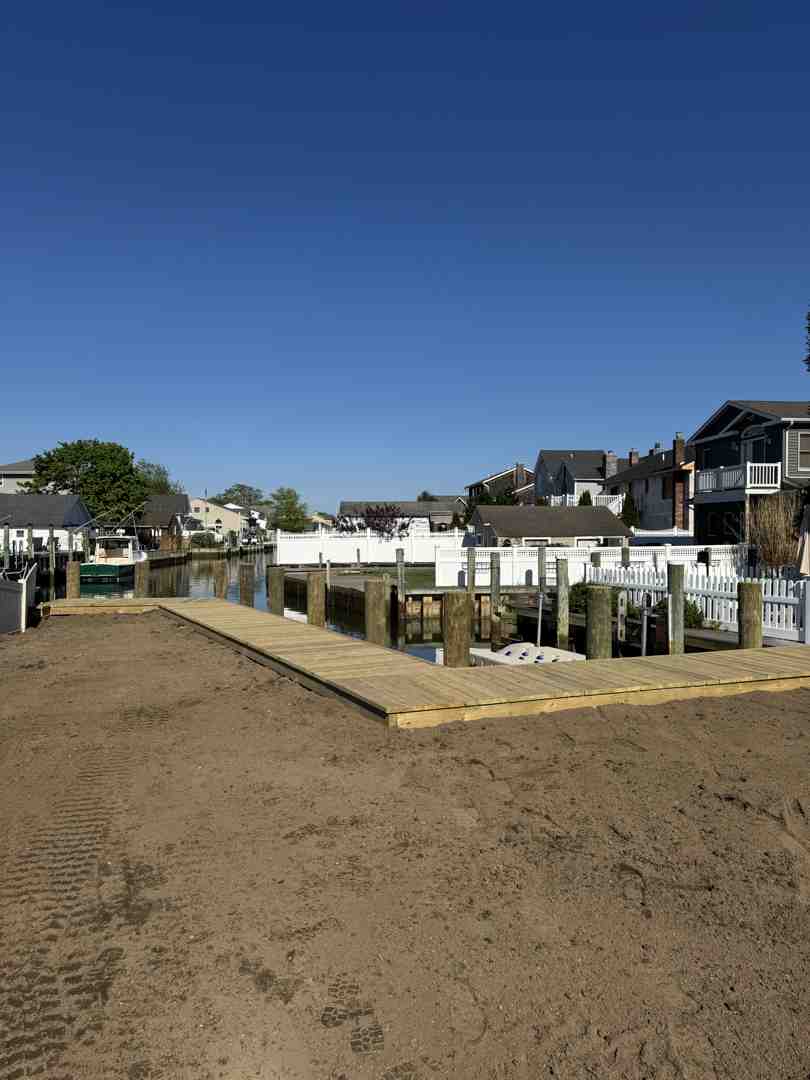
Whether you're planning a custom dock, seawall, or boat lift, our experienced team is ready to deliver high-quality marine construction tailored to your needs. Pearce Marine Construction brings craftsmanship, precision, and a deep understanding of Florida’s waterways to every project. Let us help you create a durable, beautiful solution that stands the test of time. Get in touch now for a personalized estimate!