
Shore Up: Understanding Coastal Erosion Protection

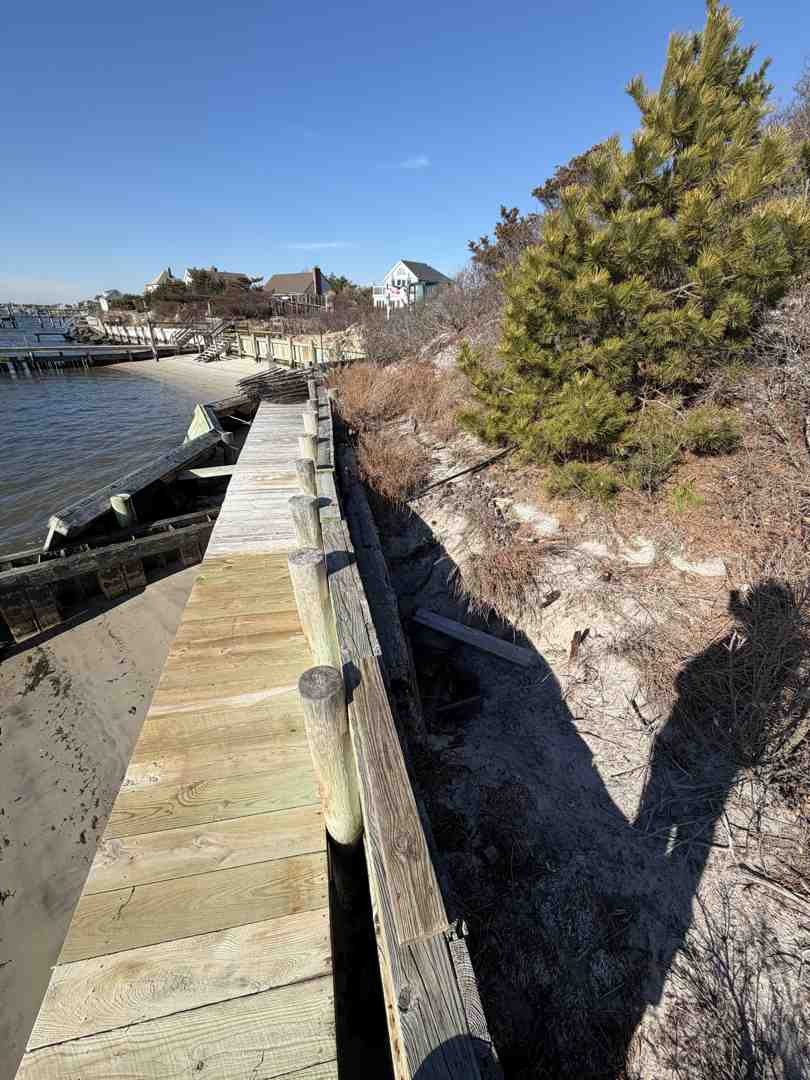
Coastal erosion protection is an essential strategy for safeguarding our shorelines against natural forces like rising sea levels, storms, and wave action, which relentlessly wear down the coast. Without intervention, these forces lead to significant economic impacts, such as:
- Loss of land and property, putting beachfront homes and businesses at risk.
- Damage to infrastructures like roads and bridges, worsening regional economies.
- Decreased tourism and disrupted local industries like fishing.
Coastal erosion doesn't just change landscapes; it reshapes communities and livelihoods. Recognizing this, stakeholders are investing in innovative solutions to protect these vital areas, from structural supports like seawalls to sustainable, nature-based approaches.
Understanding and implementing effective shoreline protection isn't just about preventing erosion—it's about preserving economic stability and community livelihoods. In places like Long Island, where properties and businesses line the coast, finding the right erosion protection solutions is crucial for long-term resilience and prosperity.
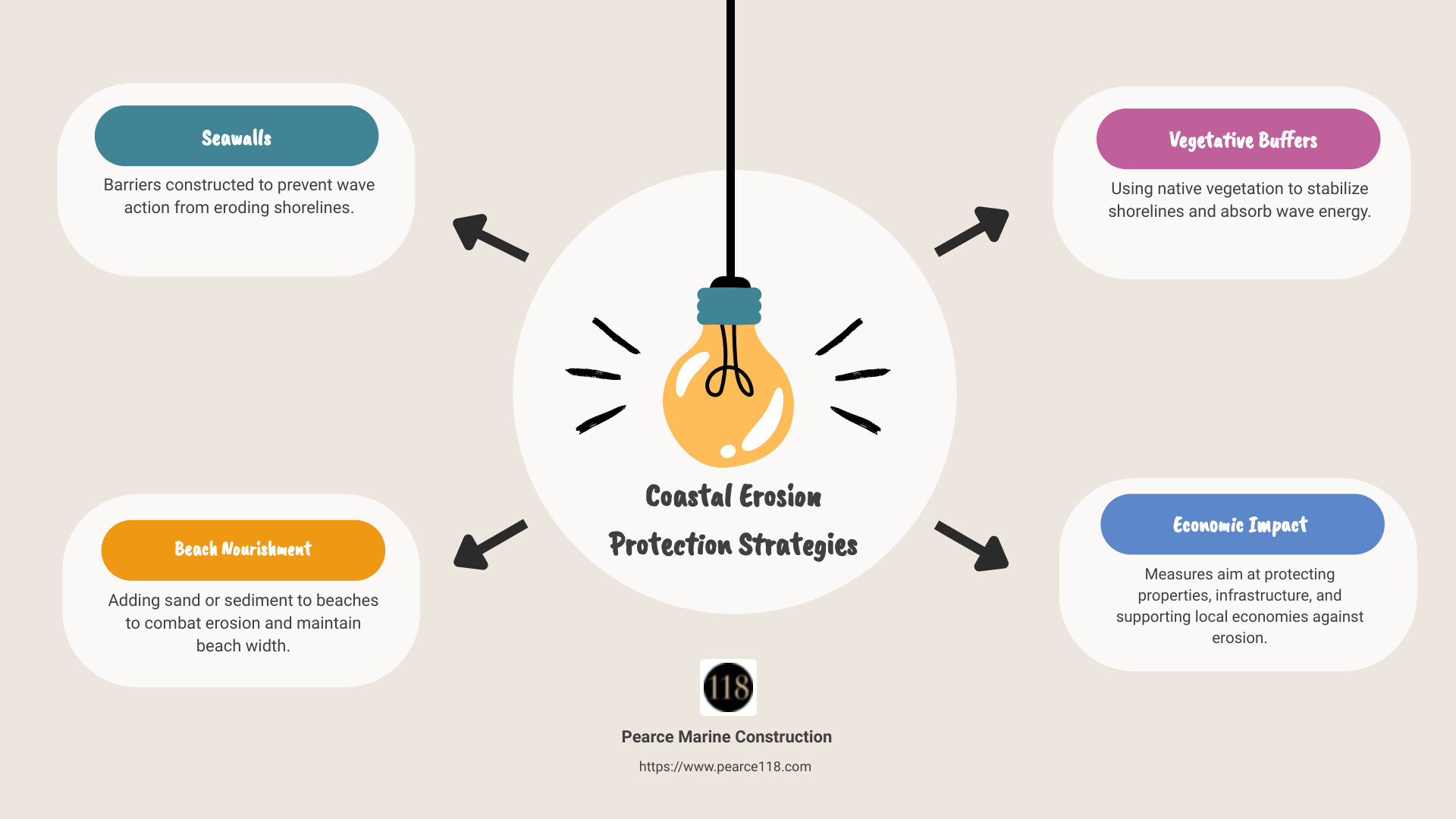
Essential Coastal erosion protection terms:
Causes of Coastal Erosion
Coastal erosion is a natural process, but various factors can accelerate it, leading to significant impacts on communities and ecosystems. Let’s break down the main causes:
Natural Processes
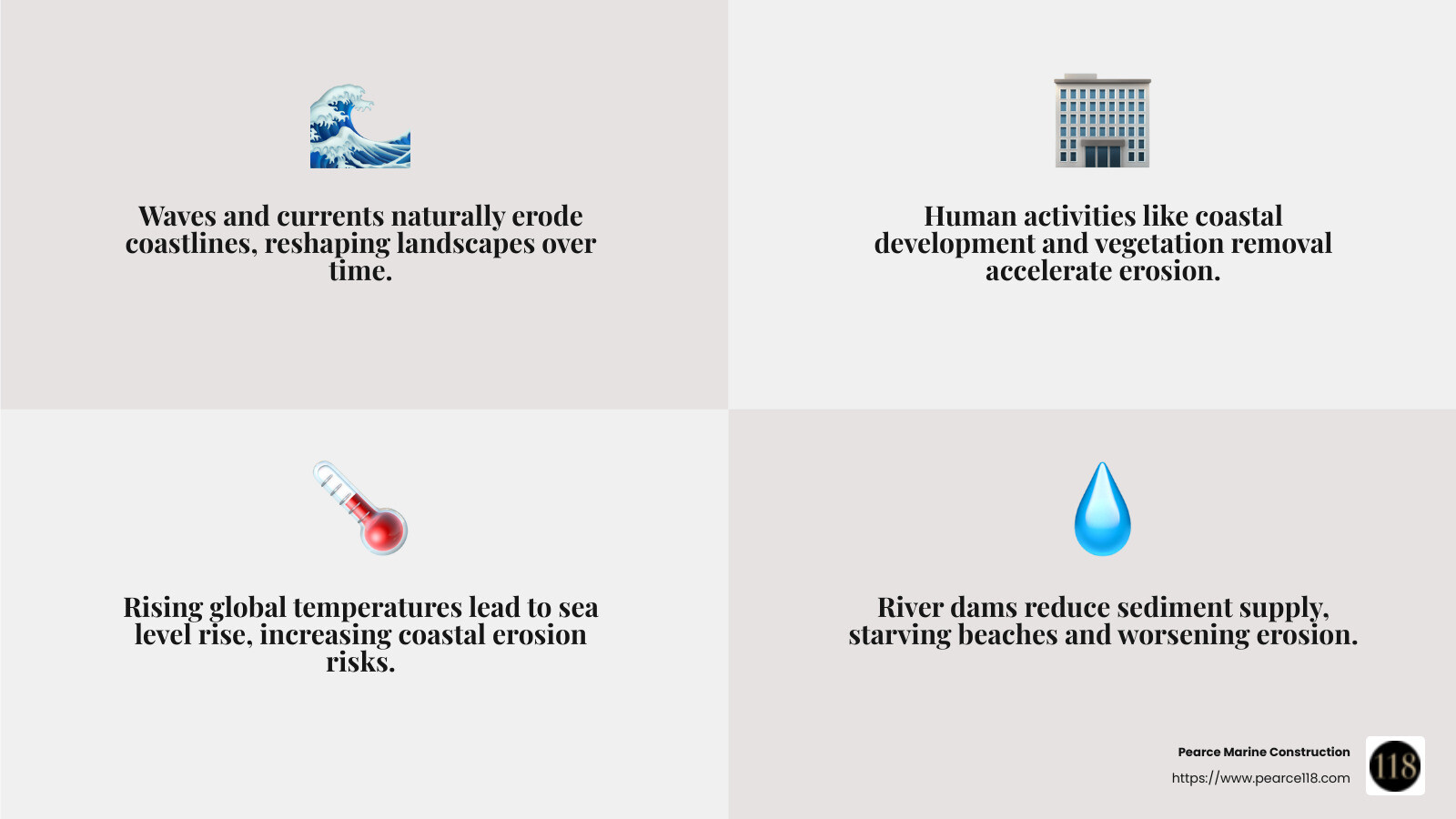
Waves and Currents: The continuous movement of waves and currents gradually wears away the shoreline. This is a normal part of coastal dynamics, where sand and sediment are moved from one place to another. Over time, this can lead to noticeable changes in the landscape.
Tides: Changes in tide levels can also contribute to erosion. Higher tides, especially during storms, can reach further inland, removing more sand and soil from the coast.
Weather: Storms, particularly hurricanes and nor’easters, can cause rapid erosion in a short time. These events bring strong winds and waves that can strip away significant amounts of sand and soil.
Human Disturbances
Coastal Development: Building homes, roads, and other infrastructure near the coast can disrupt natural processes. Structures like piers and docks can alter wave patterns and sediment movement, leading to increased erosion in some areas.
Vegetation Removal: Clearing natural vegetation for development or agriculture reduces the stability of the soil. Without roots to hold the sand and soil in place, erosion can occur more quickly.
River Dams and Waterway Modifications: Dams and changes to rivers can reduce the sediment supply to coastlines, starving beaches of the materials they need to maintain their structure.
Sea Level Rise
As global temperatures rise, so do sea levels. This increase is primarily due to melting ice caps and glaciers, as well as the thermal expansion of seawater. Higher sea levels mean that waves can reach further inland, exacerbating erosion.
The Impact
The combination of these factors can lead to accelerated erosion, threatening properties, ecosystems, and local economies. For example, in areas like Long Island, where coastal properties are highly valued, understanding these causes is crucial for developing effective coastal erosion protection strategies.
Next, we will explore various methods for protecting our shores against these erosive forces, including both structural and non-structural solutions.
Coastal Erosion Protection Methods
Protecting our shores from erosion is crucial for preserving coastal communities and ecosystems. Here are some common methods used for coastal erosion protection:
Beach Nourishment
Beach nourishment is a soft engineering solution that involves adding sand to eroding beaches. This method helps to widen the beach and acts as a buffer against waves. While effective, it can be expensive and temporary. Communities like those on Long Island often need to repeat this process after storms wash away the added sand.
Seawalls
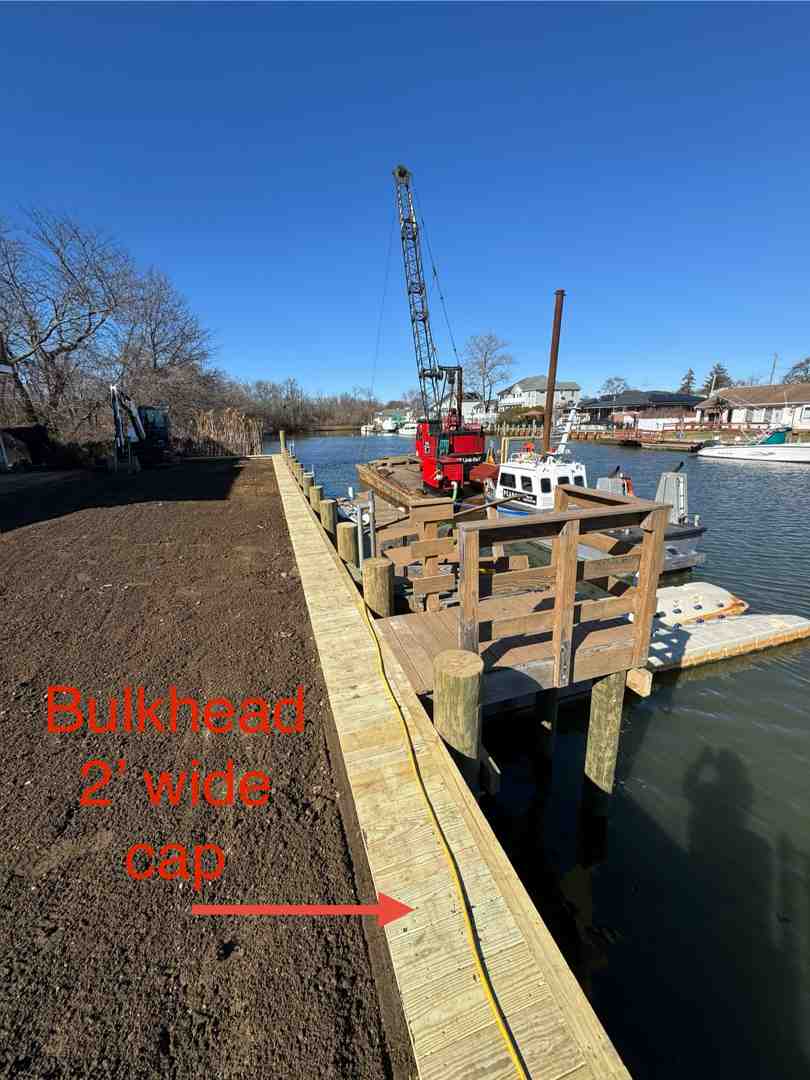
Seawalls are sturdy structures built along the coast to block waves and prevent them from reaching the land. They are made of concrete, stone, or steel and are effective at protecting properties. However, seawalls can be costly to build and maintain. They may also cause increased erosion on adjacent beaches.
Groins
Groins are long, narrow structures that extend into the ocean perpendicular to the shoreline. They trap sand moving along the coast due to longshore drift, helping to build up beaches on one side. However, they can lead to erosion on the downcurrent side, requiring careful planning and placement.
Breakwaters
Breakwaters are barriers placed offshore, parallel to the coast. They reduce wave energy before it reaches the shore, protecting beaches from erosion. Breakwaters can be costly and may alter local ecosystems, but they are effective in creating calm waters ideal for harbors and marinas.
Vegetation
Planting vegetation is a natural way to combat erosion. The roots of plants like seagrass and dune grasses help hold the sand in place, reducing erosion. Vegetation not only stabilizes the soil but also supports wildlife and improves the natural beauty of the coast. However, it may not be suitable for areas with high wave energy or heavy human use.
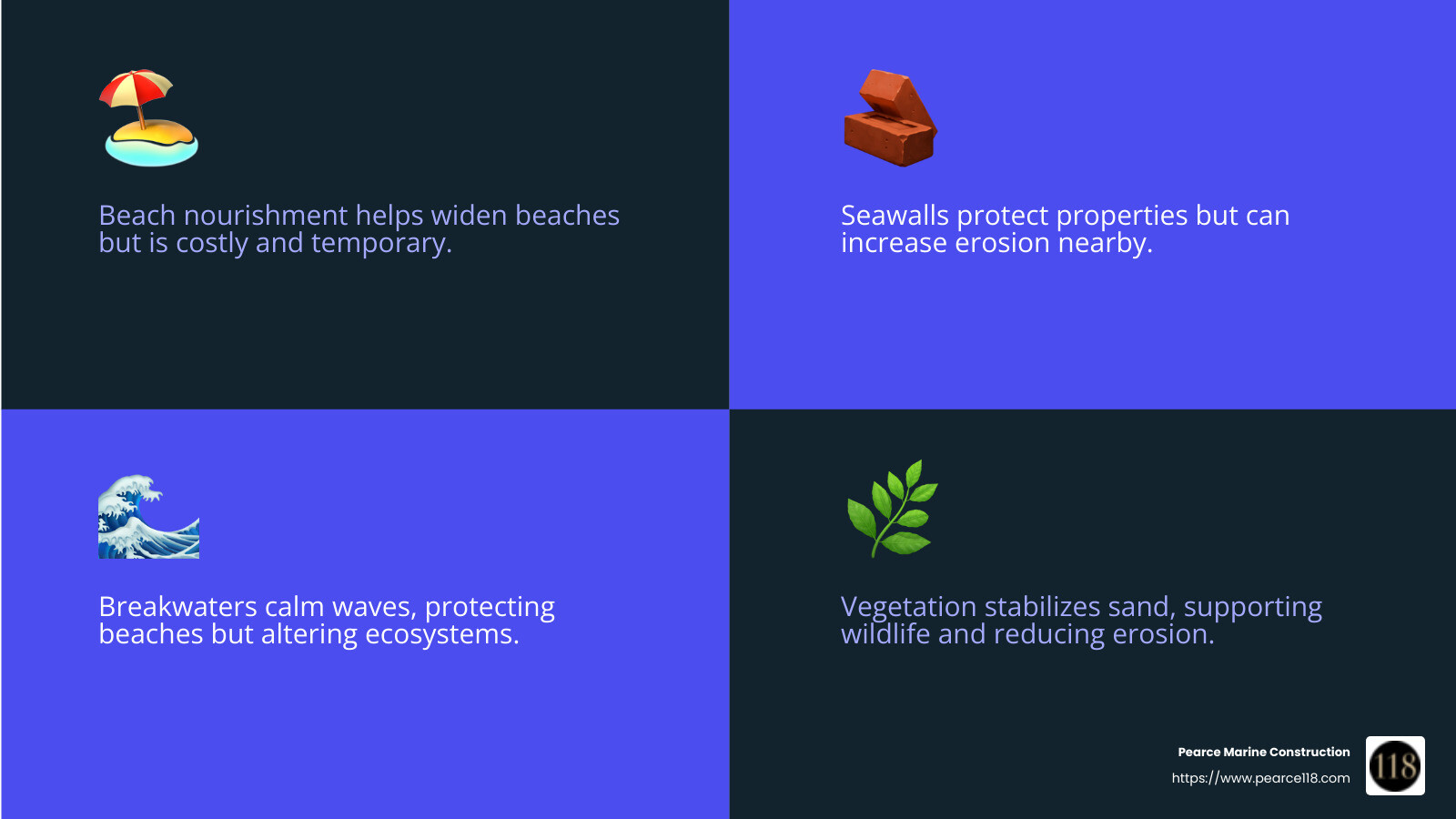
These methods vary in cost, effectiveness, and environmental impact. A combination of approaches is often used to create a resilient coastal defense system. Next, we'll explore biological shoreline protection methods, which offer sustainable and eco-friendly solutions.
Biological Shoreline Protection
Biological shoreline protection methods use natural materials and living plants to stabilize and protect coastlines. These eco-friendly solutions not only help prevent erosion but also improve the natural beauty of coastal areas. Let's explore some of these methods:
Live Staking
Live staking is a simple yet effective technique. It involves planting live, rootable vegetative cuttings like willow along eroding shorelines. These cuttings sprout and grow roots, forming a network that holds the soil together.
Benefits of Live Staking:
- Cost-effective and easy to implement.
- Promotes natural habitat restoration.
- Suitable for small earth slips and wet areas.
Installation Tips:
- Best done in spring or fall when plants are dormant.
- Stakes should be 2-3 feet long, with a diagonal cut at the bottom for better rooting.
- Plant at an angle to maximize root growth.
Brush Layering
Brush layering is a method that uses alternating layers of live cuttings and compacted soil along slopes. This creates a terraced effect that stabilizes the slope and reduces erosion.
Advantages of Brush Layering:
- Provides strong soil reinforcement.
- Captures debris and supports vegetation growth.
- Ideal for highly disturbed or eroded areas.
Considerations:
- Additional toe protection, like coir fiber rolls, may be needed.
- Effective for repairing localized slumps and holes.
Fiber Rolls
Fiber rolls, also known as coir logs, are cylindrical rolls made from natural fibers like coconut coir. They are placed along shorelines to trap sediment and promote vegetation growth.
Why Use Fiber Rolls?
- Biodegradable and environmentally friendly.
- Help establish vegetation by providing a stable base.
- Suitable for low-energy environments.
Installation Tips:
- Secure with wooden stakes or biodegradable netting.
- Combine with plantings for best results.
These biological methods offer sustainable ways to combat coastal erosion while enhancing the natural landscape. They are especially beneficial in areas where traditional hard structures may not be suitable. Up next, we'll explore structural erosion control techniques.
Structural Erosion Control
When it comes to coastal erosion protection, structural methods offer robust solutions designed to withstand the forces of nature. Let's explore some of the most common structural erosion control techniques: riprap, seawalls, and jetties.
Riprap
Riprap involves placing large rocks or boulders along shorelines. This method absorbs and deflects the energy of waves, reducing erosion.
Advantages of Riprap:
- Durability: Withstands harsh weather and wave action.
- Flexibility: Adapts to minor ground movements.
- Natural Appearance: Blends well with the environment.
Considerations:
- Can be costly due to material and installation.
- Requires regular maintenance to ensure stability.
Seawalls
Seawalls are strong, vertical structures, typically made of concrete or steel, built parallel to the shoreline. They are designed to protect land from the force of incoming waves.
Benefits of Seawalls:
- Effective Barrier: Shields property from high tides and storm surges.
- Long-Lasting: Offers decades of protection with proper maintenance.
- Dual Purpose: Often serve as walkways or boardwalks.
Disadvantages:
- Can lead to increased erosion on adjacent beaches.
- High construction and maintenance costs.
Jetties
Jetties are long structures extending into the ocean, usually at river mouths or harbor entrances, to control water flow and minimize sediment deposition.
Why Use Jetties?
- Navigation Aid: Keeps channels clear for boats and ships.
- Sand Management: Traps sand on the upcurrent side, reducing beach erosion.
Challenges:
- May cause erosion on the downcurrent side.
- Expensive to build and maintain.
These structural erosion control methods are vital for safeguarding coastal properties and infrastructure. While effective, they often require significant investment and ongoing upkeep. Next, we'll dig into coastal restoration and non-structural solutions, which offer a more natural approach to managing erosion.
Coastal Restoration and Non-Structural Solutions
When addressing coastal erosion protection, it's important to consider options that work with nature rather than against it. Coastal restoration and non-structural solutions provide sustainable and environmentally friendly ways to protect shorelines. Let's explore some key methods: wetland protection, dune stabilization, and relocation.
Wetland Protection
Wetlands act as natural buffers, absorbing wave energy and reducing erosion. They also provide habitat for wildlife and improve water quality.
Benefits of Wetland Protection:
- Erosion Control: Wetlands absorb wave energy, decreasing shoreline erosion.
- Biodiversity: Supports diverse plant and animal life, enhancing ecosystem health.
- Water Filtration: Naturally filters pollutants, improving water quality.
Considerations:
- Requires careful management to prevent degradation.
- Restoration can be costly and time-consuming but offers long-term benefits.
Dune Stabilization
Dunes are natural barriers against wind and waves. Stabilizing dunes involves planting vegetation or installing structures to hold the sand in place.
Advantages of Dune Stabilization:
- Natural Defense: Dunes act as buffers against storm surges and high tides.
- Aesthetic Value: Maintains the natural beauty of the coastline.
- Cost-Effective: Vegetation planting is a low-cost solution compared to hard structures.
Challenges:
- Requires regular maintenance to ensure vegetation remains healthy.
- Can take time for vegetation to establish and effectively stabilize dunes.
Relocation
In some cases, the best solution is moving structures away from vulnerable areas. Relocation minimizes risk by allowing nature to reshape the coastline naturally.
Why Consider Relocation?
- Safety: Reduces risk to life and property from erosion and flooding.
- Environmental Benefits: Allows natural processes to occur without interference.
- Long-Term Savings: Avoids repeated repair costs on at-risk properties.
Drawbacks:
- Often involves significant upfront costs and logistical challenges.
- May require community buy-in and coordinated planning.
These non-structural solutions offer a more harmonious way to manage coastal erosion, working with the environment rather than imposing upon it. They provide long-lasting benefits while preserving the natural landscape. Next, we'll address some frequently asked questions about coastal erosion protection.
Frequently Asked Questions about Coastal Erosion Protection
How can we protect coastal areas from erosion?
Coastal erosion protection is all about using the right mix of methods to keep the shoreline intact. Here are some effective strategies:
Beach Nourishment: This involves adding sand to beaches to replace what’s been lost to erosion. It's like giving the beach a fresh start. However, it can be costly and needs to be done regularly, especially after storms.
Seawalls: These are solid barriers built parallel to the shore. They reflect wave energy and protect the land behind them. While effective, they can be expensive and might impact the natural movement of sand along the coast.
Rock Armour: Also known as riprap, these are large rocks placed along the shore to absorb and deflect wave energy. They are durable but can be visually intrusive.
Soft Engineering: This involves using natural materials and processes to protect the coast. Techniques include planting vegetation to stabilize dunes and using biodegradable materials to support new dune growth.
Dune Stabilization: Dunes act as natural barriers against the sea. By planting grasses and placing fences, they can be kept in place, providing a low-cost and natural defense.
What is a common method used to control coastal erosion?
One of the most common methods is beach nourishment, where sand is added to eroded beaches. It’s popular because it doesn’t involve building structures and can improve the recreational value of the beach. However, it’s important to note that this method requires ongoing maintenance and can be affected by future storms.
Does insurance cover beach erosion?
Insurance coverage for beach erosion can be tricky. Homeowners insurance typically covers sudden and accidental damage but often excludes gradual processes like erosion. It's crucial for property owners to understand their policy details. Some policies might cover landscape changes if they directly lead to property damage, but coverage varies widely.
For those living near the coast, it’s wise to consider additional coverage options or specialized policies that address risks associated with coastal living. Always review your policy with an insurance expert to ensure you’re adequately protected.
These FAQs address common concerns about coastal erosion protection and highlight the importance of choosing the right methods to safeguard our shores. Next, we'll dig into the role of Pearce Marine Construction in providing expert solutions for shoreline protection.
Conclusion
At Pearce Marine Construction, we understand the complexities of coastal erosion protection. Based in Long Island, NY, we bring generational expertise and meticulous craftsmanship to every project. Our focus is on creating durable and sustainable solutions that protect and improve the shoreline.
Our team is well-versed in a variety of erosion control methods, from constructing robust seawalls to implementing soft engineering techniques like dune stabilization. By combining structural and natural solutions, we ensure that coastal areas not only withstand the forces of nature but also maintain their natural beauty.
We serve a wide range of communities across Nassau and Suffolk Counties, including Massapequa, Merrick, and Babylon. Our local knowledge allows us to tailor our services to meet the unique challenges of Long Island's coastlines.
Why choose Pearce Marine Construction?
Generational Expertise: Our family-owned business has been protecting Long Island's shores for years. We have the experience and knowledge needed to tackle complex coastal challenges.
Meticulous Craftsmanship: We pride ourselves on delivering high-quality work that stands the test of time. Every project is executed with attention to detail and precision.
Comprehensive Services: From bulkheads and docks to shoreline restoration, we offer a full suite of marine construction services. Our goal is to provide solutions that are both effective and environmentally responsible.
If you're facing coastal erosion challenges, trust us to provide the expertise and solutions you need. Visit our services page to learn more about how we can help protect your shoreline.
By choosing Pearce Marine Construction, you're investing in the future of your property and the health of our coastlines. Together, we can shore up Long Island against the forces of erosion.


Bring Your Vision to Life
Whether you're planning a custom dock, seawall, or boat lift, our experienced team is ready to deliver high-quality marine construction tailored to your needs. Pearce Marine Construction brings craftsmanship, precision, and a deep understanding of Florida’s waterways to every project. Let us help you create a durable, beautiful solution that stands the test of time. Get in touch now for a personalized estimate!