
From Shore to Shore: Mastering the Craft of Floating Pier Construction

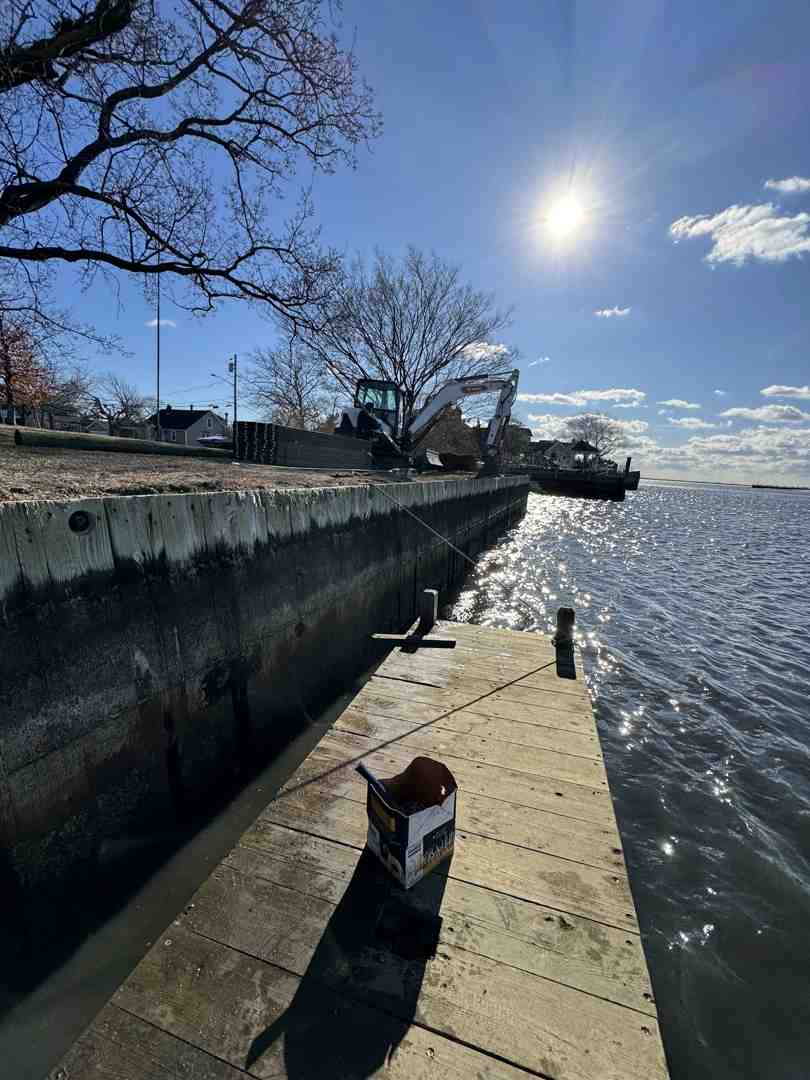
Mastering Floating Pier Construction: Expertise at Your Shoreline
Floating pier construction is an innovative and versatile solution for creating stable and adaptable waterfront structures. Whether you're crafting a serene private retreat or a busy commercial dock, floating piers are designed to rise and fall with the water, providing reliable access regardless of the water level.
Here’s a quick snapshot of why floating piers are an excellent choice:
- Adaptability: Perfect for fluctuating water levels.
- Stability: Combines strength with flexibility.
- Versatility: Suitable for both residential and commercial needs.
We'll dig into the intricacies of floating pier construction, exploring how materials like high-density polyethylene cubes and pressure-treated lumber come together to create robust structures. With Pearce Marine Construction's expertise, based right here in Long Island, you'll find the meticulous craftsmanship that ensures stability and durability, custom to withstand the unique challenges posed by coastal environments.
For property owners facing shoreline erosion and flooding, understanding the process and advantages of floating piers can transform your view of waterfront construction. With a blend of traditional know-how and modern techniques, Pearce Marine Construction provides you not just a pier, but a gateway to mastering your marine landscape.

Understanding Floating Pier Construction
Floating dock systems are revolutionizing waterfront construction with their flexibility and adaptability. These piers rest on the water's surface and adjust naturally to changing water levels, making them ideal for areas with significant fluctuations.
Modular Systems: Building Blocks of Flexibility
The backbone of these floating piers is their modular design. This system allows for easy customization and expansion. Each module can be connected to another, much like building blocks, allowing you to create a dock that perfectly suits your needs. Whether you're adding a kayak launch or extending your pier, modular systems provide the adaptability required for any waterfront project.
High-Density Polyethylene Cubes: The Floating Foundation
At the heart of these modular systems are polyethylene cubes. These cubes are buoyant and durable, ensuring that the dock remains afloat and stable. Made from high-density polyethylene, they resist the wear and tear of water and weather. This material choice offers a long-lasting solution that requires minimal maintenance, saving you both time and money.

These cubes are not just practical—they're also environmentally friendly. Designed to withstand harsh marine conditions, they ensure your dock remains a reliable platform for years to come.
Pearce Marine Construction: Crafting Excellence
With floating pier construction, have a partner who understands the nuances of this innovative approach. Pearce Marine Construction, with its expertise rooted in Long Island, excels in crafting floating docks that meet the unique demands of coastal environments. By leveraging modular systems and high-density polyethylene cubes, Pearce ensures that every dock is not only functional but also resilient against the challenges of marine landscapes.
In the next section, we will explore the materials and techniques that make floating piers both durable and efficient, ensuring they stand the test of time.
Materials and Techniques in Floating Pier Construction
When it comes to floating pier construction, choosing the right materials is crucial for durability and effectiveness. Let's explore some of the key materials and techniques used in this craft.
Pressure-Treated Lumber: The Structural Backbone
Pressure-treated lumber is a popular choice for constructing the frame of floating piers. This type of wood is treated with chemicals to resist rot and insect damage, making it ideal for the harsh conditions of marine environments.
- Cost-effective: It's one of the most budget-friendly options available.
- Durable: Resistant to rot, decay, and insect damage, ensuring a long-lasting structure.
- Versatile: Can be used for various parts of the dock, from the frame to the decking.
Using pressure-treated lumber ensures that your pier has a solid, reliable foundation that can withstand the test of time.
High-Density Polyethylene: The Buoyant Base
The use of high-density polyethylene (HDPE) is a game-changer in floating pier construction. These polyethylene cubes form the buoyant base that keeps the dock afloat.
- Lightweight and Strong: Despite being lightweight, HDPE cubes are incredibly strong, providing excellent buoyancy.
- Weather-Resistant: They resist the wear and tear of water and weather, ensuring longevity.
- Environmentally Friendly: HDPE is often made from recycled materials, making it a sustainable choice.
These cubes are integral to the modular design of floating piers, allowing for easy customization and expansion of the dock system.
Silicone Caulking: The Waterproof Seal
To ensure that all components of the floating pier are securely connected and waterproof, silicone caulking is used. This material provides a watertight seal that prevents leaks and improves the durability of the pier.
- Flexible and Strong: Silicone caulking remains flexible, allowing it to expand and contract with temperature changes without breaking.
- Waterproof: It creates a strong seal that prevents water from seeping into joints and connections.
- Long-Lasting: Resistant to UV rays and weathering, ensuring a prolonged lifespan for the dock.
By using silicone caulking, you can ensure that your floating pier remains sturdy and leak-free, providing a safe and reliable platform for years to come.
In the next section, we'll provide a step-by-step guide to building a floating pier, covering everything from frame assembly to installing flotation components.
Step-by-Step Guide to Building a Floating Pier
Building a floating pier might seem daunting, but breaking it down into manageable steps can simplify the process. This guide will walk you through frame assembly, support installation, and flotation components.
Frame Assembly: Laying the Foundation
The first step in constructing a floating pier is assembling the frame. This structure serves as the skeleton of your dock.
- Choose Your Materials: Start with pressure-treated lumber, known for its durability and resistance to the marine environment.
- Construct the Frame: Use galvanized or marine-grade stainless steel screws to connect the lumber, ensuring a strong and lasting connection.
- Reinforce Corners: Add marine-grade metal braces at the corners to improve structural integrity.
The frame is the backbone of your pier, so taking the time to ensure it's well-constructed is crucial.
Support Installation: Adding Stability
Once the frame is ready, the next step is support installation. This adds stability and prevents the frame from shifting.
- Measure and Mark: Identify where supports are needed, considering the weight distribution and potential load.
- Install Cross Members: These components run perpendicular to the frame, providing additional support and preventing sagging.
- Secure with Hardware: Use marine-grade hardware to secure all supports, ensuring they can withstand environmental stresses.
Proper support installation is key to a stable and safe floating pier.
Flotation Components: Keeping Afloat
The final step involves installing flotation components, which provide buoyancy to your dock.
- Select Dock Floats: Choose high-density polyethylene (HDPE) cubes for their strength and buoyancy. Ensure they exceed your required weight capacity for safety.
- Position Floats Evenly: Attach the floats to the underside of the frame, spacing them evenly to maintain balance.
- Secure and Seal: Use marine-grade stainless steel hardware to secure the floats. Apply a marine-grade sealant to protect against water and weather damage.
By carefully selecting and installing flotation components, you ensure your pier remains buoyant and stable in various conditions.
With these steps, you can construct a floating pier that is durable, functional, and ready to improve your waterfront experience. In the next section, we'll dive into the advantages and disadvantages of floating piers, exploring their durability, maintenance needs, and potential noise issues.
Advantages and Disadvantages of Floating Piers
When considering floating pier construction, weigh both the benefits and drawbacks. Let's explore the key aspects: durability, maintenance, and noise issues.
Durability
Floating piers offer remarkable durability, especially when constructed with high-quality materials like high-density polyethylene (HDPE) cubes and pressure-treated lumber. These components resist rot, corrosion, and environmental wear, making them ideal for long-term use in marine settings. As reported by ArchDaily, Christo's "The Floating Piers" used HDPE cubes to create a stable and resilient structure on Lake Iseo.
Maintenance
While floating piers are durable, they do require regular maintenance to remain in top condition. Key tasks include:
- Inspecting Materials: Regularly check for any signs of damage or wear, particularly on the frame and flotation components.
- Cleaning: Remove algae, debris, and other buildups to prevent slipping hazards and maintain aesthetics.
- Hardware Check: Ensure all screws, bolts, and braces remain tight and free from corrosion.
Routine maintenance ensures the longevity and safety of your floating pier, providing peace of mind for waterfront activities.
Noise Issues
One potential downside of floating piers is noise. Due to their buoyant nature, they can creak or produce sounds as they move with the water. This might be more noticeable in areas with frequent wave action or strong currents.
To mitigate noise issues:
- Secure Connections: Ensure all components are tightly fastened to minimize movement-related sounds.
- Use Dampening Materials: Consider adding rubber or silicone buffers between moving parts to reduce noise.
By addressing these factors, you can enjoy the benefits of a floating pier while minimizing any disturbances.
In the next section, we'll answer some frequently asked questions about floating pier construction, including how these structures work, their lifespan, and potential drawbacks.
Frequently Asked Questions about Floating Pier Construction
How does a floating pier work?
A floating pier is a marvel of engineering that allows for easy access to watercraft and leisure activities. The core components include pontoons, a gangway, and pilings.
Pontoons: These are buoyant structures, often made from high-density polyethylene, that keep the pier afloat. They are designed to rise and fall with water levels, providing a stable platform regardless of tides or seasonal changes.
Gangway: This is the bridge that connects the floating pier to the shore, allowing people to walk safely from land to the pier. It's typically hinged to accommodate the movement of the floating structure.
Pilings: These are vertical poles anchored into the waterbed to hold the pier in place. They prevent the pier from drifting away while allowing it to move vertically with changing water levels.
Together, these elements create a flexible and accessible solution for waterfront properties.
What is the life expectancy of a floating dock?
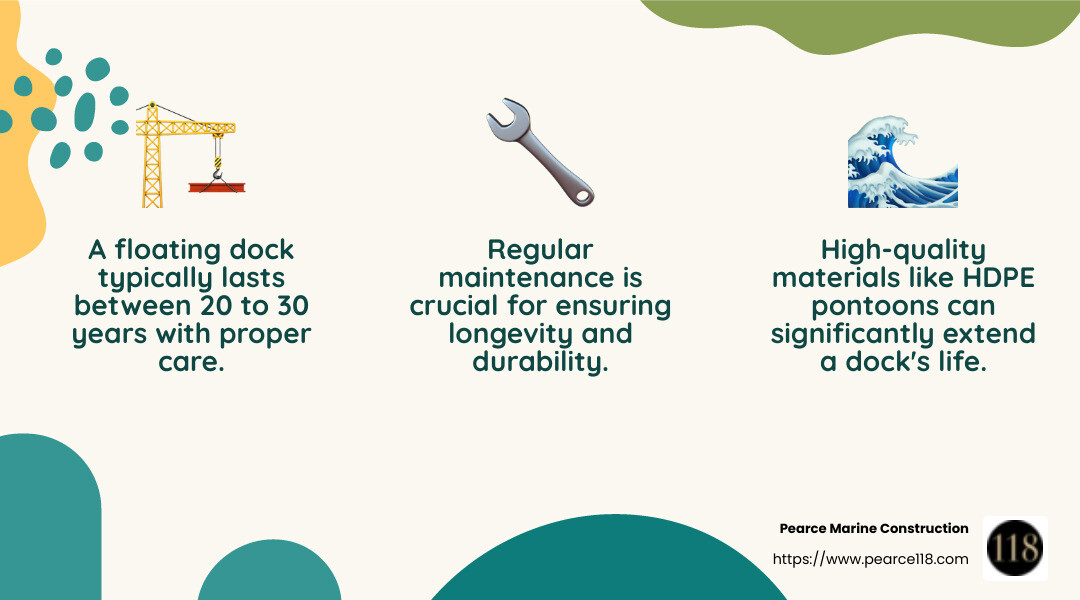
The lifespan of a floating dock can vary but typically ranges from 20 to 30 years with proper care. Factors influencing longevity include:
Materials: Using high-quality materials like pressure-treated lumber and HDPE pontoons can significantly extend a dock's life.
Maintenance: Regular maintenance is crucial. This includes checking for damage, ensuring all hardware is secure, and cleaning off debris and algae.
Durability: Floating docks are designed to withstand environmental stressors, but their lifespan can be shortened by neglect or severe weather conditions.
What are the disadvantages of a floating dock?
While floating docks offer many benefits, they also come with some drawbacks:
Damage: Floating docks can be susceptible to damage from severe weather or collisions with watercraft. It's important to inspect them regularly for any signs of wear and tear.
Noise: As mentioned earlier, the movement of the dock with the water can cause creaking or other noises. This can be mitigated with proper installation techniques and materials.
Water Levels: Although floating docks adjust to changing water levels, extreme fluctuations can pose challenges. In areas with very low water levels, the dock may become difficult to access.
Understanding these potential issues can help you plan and maintain your floating dock more effectively.
In the next section, we'll dig into the craftsmanship and expertise that Pearce Marine Construction brings to floating pier projects in Long Island.
Conclusion
At Pearce Marine Construction, we pride ourselves on our generational expertise and meticulous craftsmanship in floating pier construction. Located in the heart of Long Island, we serve Nassau and Suffolk County with dedication and precision.
Our team consists of second and third-generation marine contractors who understand the unique challenges of building and maintaining floating piers. This deep-rooted experience allows us to deliver projects that stand the test of time, ensuring safety and stability for all users.
Long Island's diverse waterfronts present both opportunities and challenges. We've mastered the art of adapting to various conditions while maintaining the highest standards of quality. Our floating piers are not just structures; they are gateways to enjoying the beautiful waters of Long Island.
With a focus on using high-quality materials like high-density polyethylene and pressure-treated lumber, we ensure that our piers are durable and built to last. Our commitment to excellence means that every project is executed with care, from the initial design to the final installation.
Choosing Pearce Marine Construction means choosing a partner who values craftsmanship and customer satisfaction. We are here to help you transform your waterfront property with a floating pier that meets your needs and exceeds your expectations.
Thank you for considering Pearce Marine Construction for your floating pier projects. Let's work together to create something remarkable on Long Island's shores.
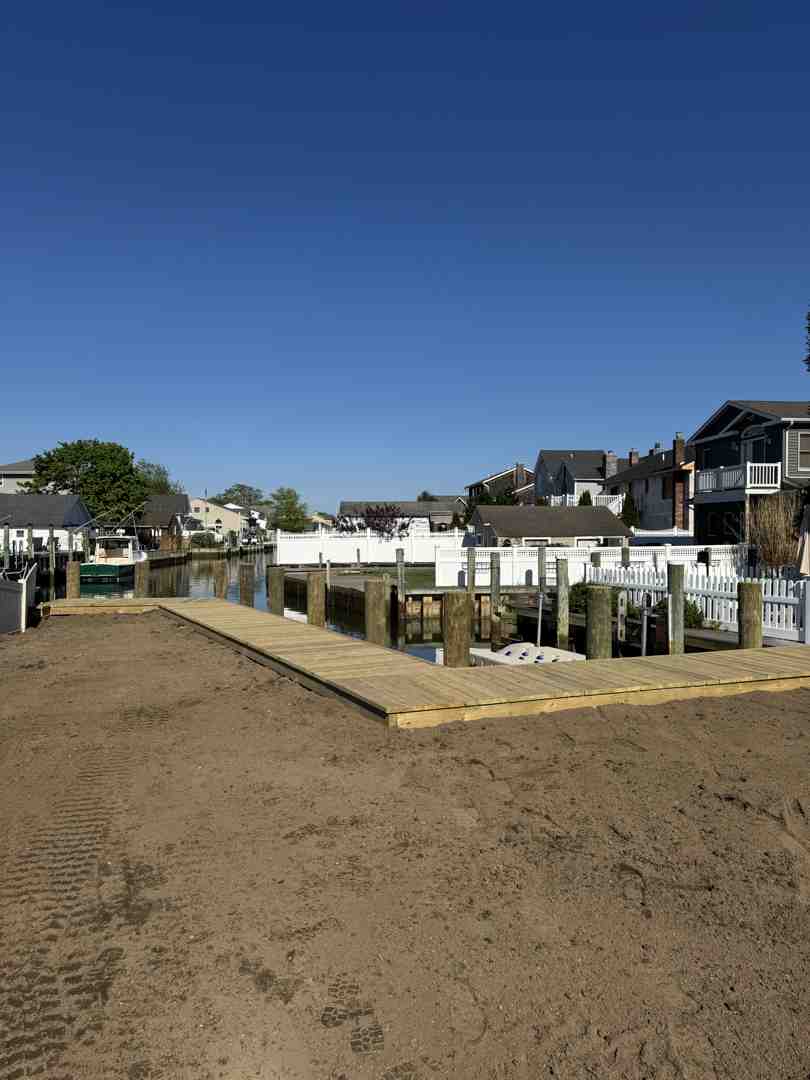


Bring Your Vision to Life
Whether you're planning a custom dock, seawall, or boat lift, our experienced team is ready to deliver high-quality marine construction tailored to your needs. Pearce Marine Construction brings craftsmanship, precision, and a deep understanding of Florida’s waterways to every project. Let us help you create a durable, beautiful solution that stands the test of time. Get in touch now for a personalized estimate!