
The Uplifting Truth About Choosing a Boat Elevator


What Is a Boat Elevator and Do You Need One?
A boat elevator is a mechanical lift system that raises and lowers your watercraft out of the water — protecting it from corrosion, marine growth, and storm damage when it's not in use.
Quick answer for Long Island property owners:
| Question | Answer |
|---|---|
| What does it do? | Lifts your boat clear of the water using tracks, cables, and a drive motor |
| Who needs one? | Owners with narrow canals, seawall frontage, or limited dock space |
| How much can it hold? | Residential models typically range from 3,000 lbs to 60,000 lbs |
| How is it mounted? | Directly to a seawall, piling, or dock — no need for four-pile configurations |
| Where does it work best? | Restricted waterfronts where traditional lift setups won't fit |
If you own waterfront property in Nassau or Suffolk County — think West Islip, Southampton, or West Hampton — you've probably run into the same problem: not enough space for a standard four-pile lift. Narrow canals, rocky shorelines, and tight lot lines make traditional setups nearly impossible.
That's exactly where a boat elevator earns its place.
Unlike conventional boat lifts that require wide open water access and multiple pilings, elevator-style lifts mount to one side — along a seawall or a single piling row — and operate on inclined or vertical tracks. They're quieter, more compact, and built to handle tough coastal conditions including high winds and seasonal ice.
This guide walks you through everything you need to know: how they work, what to look for, and how professional installation makes all the difference on Long Island's demanding waterways.

Boat elevator glossary:
Engineering and Mechanics of a Boat Elevator
When we talk about the engineering behind a boat elevator, we are looking at a masterclass in space-saving marine construction. Unlike traditional lifts that suspend a vessel between four or more pilings, an elevator lift operates on a track system. These tracks—typically heavy-duty I-beams—are anchored to a stable structure like a bulkhead or a row of pilings.
The mechanics involve a cradle that travels along these tracks, powered by an electric drive system. High-quality systems utilize 6061-T6 marine-grade aluminum for the tracks and cradle, ensuring the structure can withstand the corrosive saltwater environments of the Great South Bay or the Long Island Sound. Stainless steel cables and hardware are non-negotiable for longevity and safety.

How a Boat Elevator Works in Restricted Waterfronts
In many Long Island communities like Merrick and Massapequa, the canals are narrow. A traditional 4-pile lift might extend too far into the navigable channel, violating local ordinances or blocking neighbors. The boat elevator solves this by mounting flush against the shoreline.
The drive system—often a direct-drive motor—is mounted at the top of the tracks. As the motor turns, it winds stainless steel cables that pull the cradle up the tracks at an angle (usually between 0 and 45 degrees) or vertically. This "low-draft" design is essential for shallow waters, allowing the cradle to drop deep enough to float the boat off even during low tide in places like Babylon or Brightwaters. For more technical details on different lifting solutions, you can explore our page on boat lifts.
Key Benefits of a Boat Elevator for Long Island Shorelines
For homeowners in West Islip or Southampton, the benefits go beyond just saving space.
- Wind Resistance: Modern elevators are engineered to withstand significant wind loads. Some premium models are rated for 73 MPH winds with the boat loaded and up to 180 MPH winds when empty.
- Ice Protection: In the winter, Long Island waters can freeze. Moving parts that stay submerged are at risk. A boat elevator allows you to lift the entire mechanism and the vessel well above the "choking ice" that can crush docks and pilings.
- Versatility: These lifts can be mounted to almost any existing sturdy structure, whether it’s a concrete seawall or a timber bulkhead.
To see how these specialized lifts compare to standard options in restricted areas, check out Elevator Boat Lifts: Premium Elevator Lifts for Restricted Waterfronts | Neptune Boat Lifts.
| Feature | Boat Elevator | Traditional 4-Pile Lift |
|---|---|---|
| Piling Requirement | 0 to 2 pilings | 4+ pilings |
| Mounting | Seawall, Bulkhead, or Piling | Piling only |
| Footprint | Minimal; Side-mounted | Large; Surrounds boat |
| Ideal Use | Narrow canals, rocky shores | Wide slips, open water |
Professional Installation and Maintenance in Nassau and Suffolk Counties
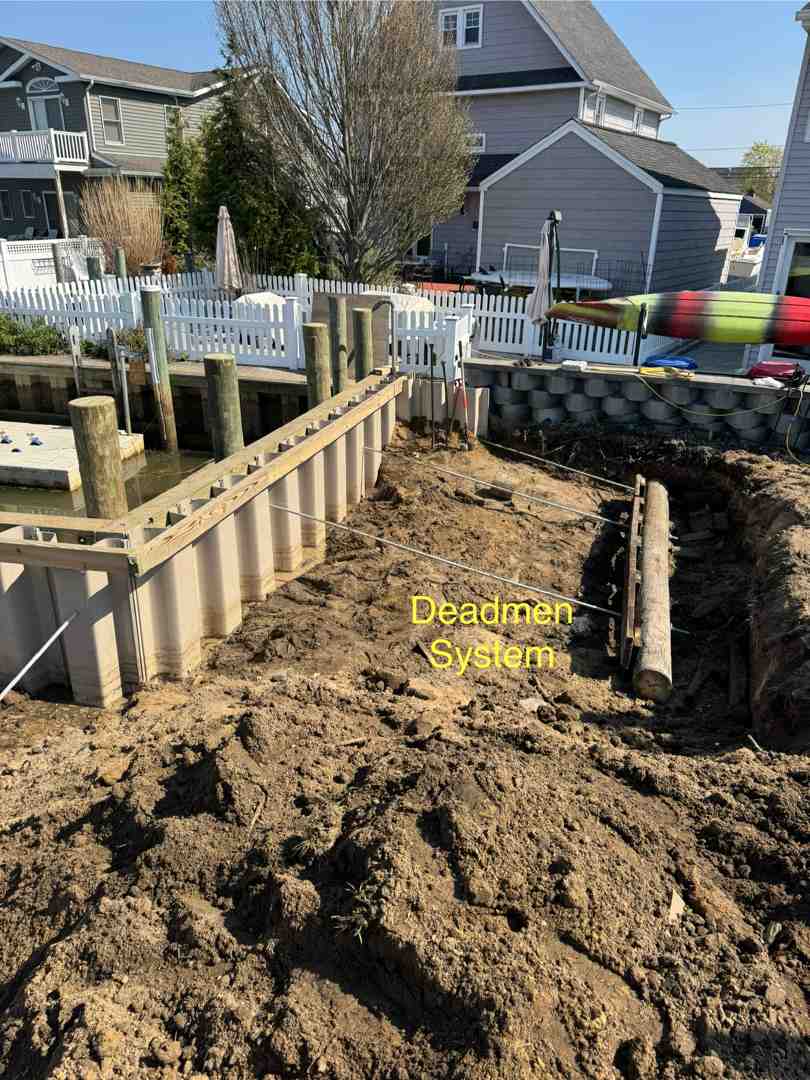
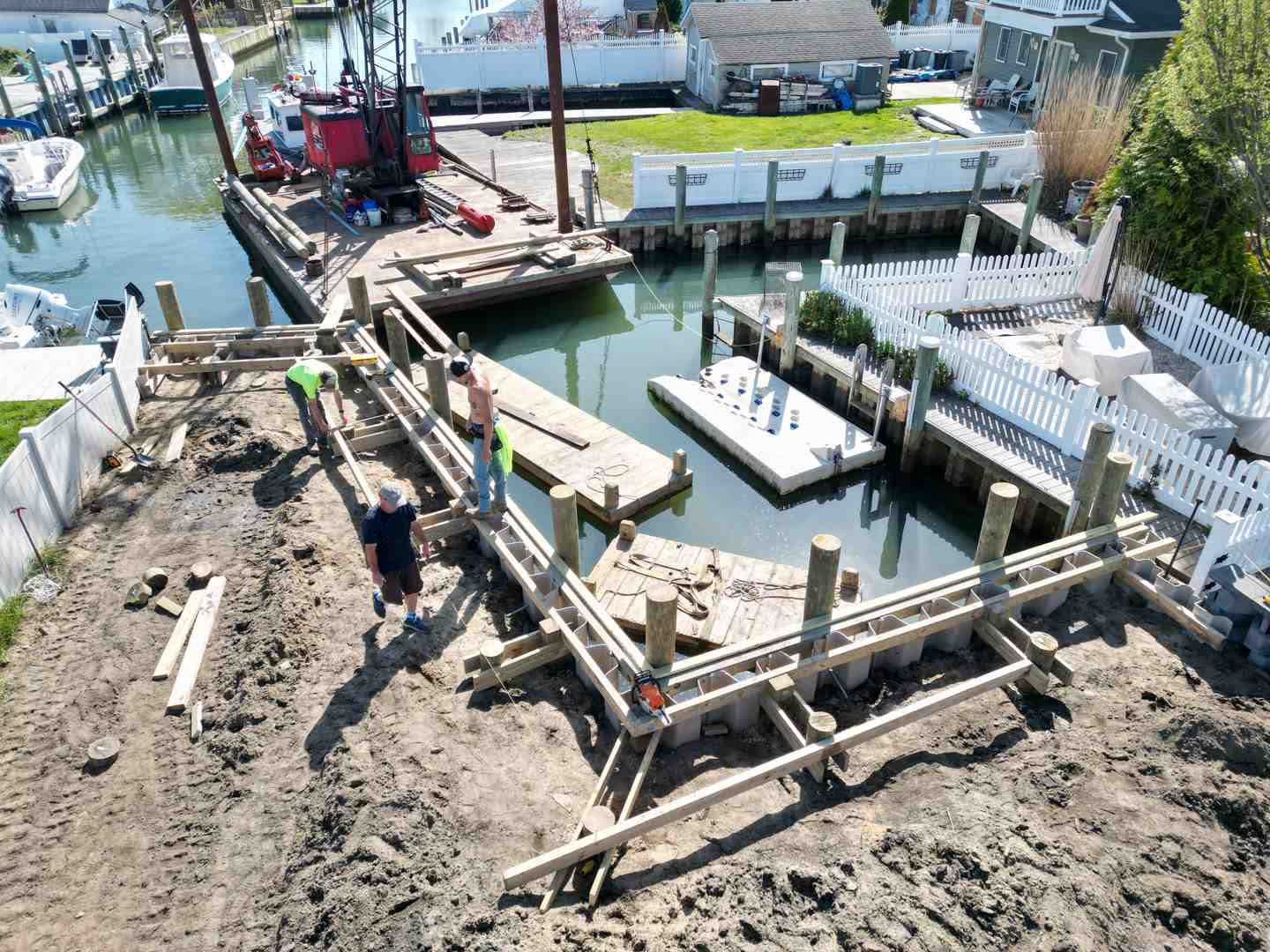
Installing a boat elevator is a high-precision task that requires specialized equipment. At Pearce Marine Construction, we treat every installation as a custom engineering project. It begins with a site assessment to determine the structural integrity of your existing bulkhead or seawall. If the foundation isn't strong enough to support the weight of the lift and your vessel, we perform necessary bulkhead repairs or pile driving to create a secure anchor point.
In areas like West Hampton and Cold Spring Harbor, the soil composition and water depth vary wildly. We use heavy-duty anchoring systems to ensure the tracks remain perfectly aligned, preventing the cradle from binding or the motors from straining. For a look at the broader process of building out your waterfront, see our Boat Dock Installation Complete Guide.
Selecting the Right Capacity and Drive System
Choosing the right capacity is about more than just the "dry weight" of your boat. You must account for fuel, water, gear, and any future upgrades. Residential elevators typically start at 3,000 lbs for PWCs and small skiffs, but can go up to 60,000 lbs for large cruisers.
The drive system is the heart of the lift. We recommend high-speed direct-drive systems, which are significantly faster than older flat-plate technology. Some modern drives can raise a boat at a rate of 86 inches per minute. Additionally, in our local saltwater environment, we always include sacrificial anodes to prevent electrolysis from eating away at your aluminum components. If your current lift is slowing down or showing signs of wear, it might be time for boat dock repair.
Comparing Modern Commercial Lifts to Historical Ship Lifts
While we focus on residential and commercial docks in Nassau and Suffolk, the "boat elevator" concept has a massive global history. Engineering marvels like the Rothensee boat lift in Germany or the Peterborough Lift Lock in Canada show just how powerful this technology can be.
Historically, these were used as alternatives to canal locks. For example, the Three Gorges Dam ship lift can move 3,000-ton vessels over a 113-meter height difference in about 30 to 40 minutes. The Goupitan system in China, the tallest in the world as of May 2026, lifts boats an incredible 127 meters. While your backyard lift won't be moving a 3,000-ton barge, it shares the same core engineering principles of vertical displacement and mechanical efficiency.
Structural Considerations for Seawalls and Bulkheads
A boat elevator exerts a "cantilever" force on your shoreline structure. This means it’s trying to pull the top of your bulkhead toward the water. Because of this, the condition of your bulkhead is paramount.
We specialize in boat dock construction and bulkhead reinforcement. In many cases in Huntington or Lloyd Harbor, we install additional tie-backs or heavy-duty pilings to ensure the elevator doesn't compromise the shoreline protection. Using marine-grade aluminum and stainless steel ensures that the lift remains a permanent, stable fixture of your property.
Long-Term Maintenance for Marine Infrastructure
Owning a boat elevator on Long Island means staying ahead of the elements. Salt, sand, and ice are constant threats.
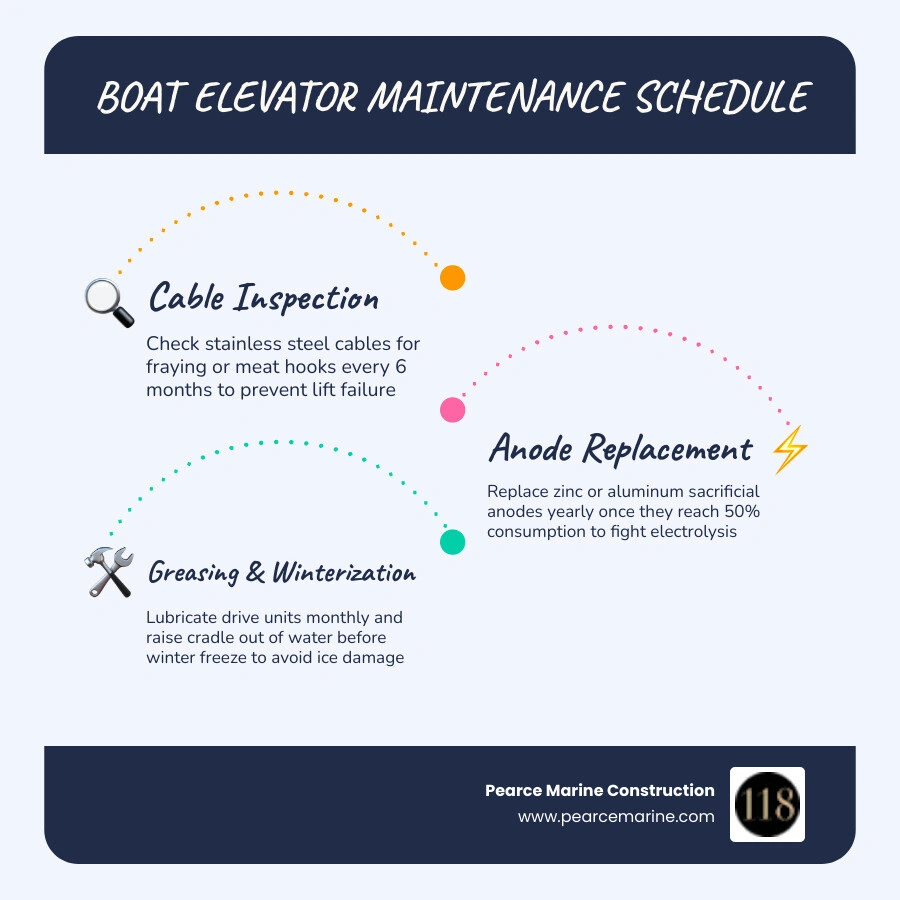
- Cable Inspection: Check for "meat hooks" or fraying in the stainless steel cables.
- Lubrication: Keep the drive units and rollers greased according to manufacturer specs.
- Anode Replacement: Replace sacrificial zinc or aluminum anodes once they have been 50% consumed to protect the lift from electrolysis.
- Winterization: Ensure the cradle is raised out of the water before the winter freeze to prevent ice damage.
For a comprehensive checklist on keeping your marine structures in top shape, refer to our Boat Dock Repair Complete Guide.
Trust the Local Experts at Pearce Marine Construction
Choosing and installing a boat elevator is a significant investment in your property and your boating lifestyle. In Nassau and Suffolk Counties, the unique challenges of narrow canals and harsh coastal weather require a contractor with generational expertise and a deep understanding of local marine engineering.
At Pearce Marine Construction, we don't just "install" equipment—we build integrated shoreline solutions. Whether you are in Wantagh, Bellmore, or South Hampton, we provide the meticulous craftsmanship needed to ensure your lift operates smoothly for decades. From the initial site assessment and pile driving to the final testing of your high-speed drive system, our woman-owned team is dedicated to protecting your vessel and your shoreline.
Ready to reclaim your waterfront? Let us help you find the perfect lifting solution for your restricted space.

Bring Your Vision to Life
Whether you're planning a custom dock, seawall, or boat lift, our experienced team is ready to deliver high-quality marine construction tailored to your needs. Pearce Marine Construction brings craftsmanship, precision, and a deep understanding of Florida’s waterways to every project. Let us help you create a durable, beautiful solution that stands the test of time. Get in touch now for a personalized estimate!