
Don't Get Washed Away: Uncovering the True Cost of Your Seawall Project


Why Understanding Sea Wall Cost Matters for Long Island Property Owners
Considering a seawall for your Nassau or Suffolk County property? Here's a quick look at the sea wall cost:
Quick Cost Overview:
- Average residential seawall: $15,000 to $60,000
- Cost per linear foot: $150 to $800 (standard materials)
- High-erosion/commercial zones: $700 to $2,000 per linear foot
- National average: Around $25,000
Cost by Material Type:
- Vinyl: $150-$600/linear foot
- Steel: $250-$700/linear foot
- Concrete: $200-$800/linear foot
- Wood: $150-$500/linear foot
- Riprap: $50-$200/linear foot
A seawall does more than stop erosion; it safeguards your property investment from storm damage, flooding, and relentless tides.
However, costs vary dramatically. A project in Southampton facing the Atlantic will cost far more than a bulkhead on a calm West Islip canal. Factors like water depth, soil type, saltwater exposure, and site access can swing your final price by thousands.
Understanding these cost drivers helps you balance upfront investment with long-term durability. A well-built seawall in Nassau or Suffolk County should last 30 to 50 years, protecting your property and potentially increasing its value.
This guide breaks down every cost factor, from materials and installation to permits and engineering fees, to help you understand the true investment required to protect your Long Island waterfront property.
Breaking Down the Sea Wall Cost: From Materials to Installation
When considering the sea wall cost for your Long Island property, understanding the components that make up the final price is key. We'll dive into material choices, site-specific challenges, and the often-overlooked additional expenses.
Average Seawall Cost Per Linear Foot by Material
Your choice of material is one of the most significant factors in your seawall's cost and lifespan. Each option offers a unique balance of durability and suitability for Long Island's diverse marine environments, from Merrick's calm canals to West Hampton's exposed shores.
Here's a breakdown of average costs, lifespans, and ideal applications:
| Seawall Material | Cost Per Linear Foot | Lifespan (Years) | Best For |
|---|---|---|---|
| Vinyl | $150 – $600 | 50 – 80 | Calmer waters, excellent corrosion resistance, low maintenance |
| Steel | $250 – $700 | 25 – 40 | High-impact areas, commercial waterfronts, strong waves |
| Concrete | $200 – $800 | 30 – 60 | Robust protection, strong waves, long-term durability |
| Wood | $150 – $500 | 10 – 40 | Freshwater, minimal waves, natural aesthetic |
| Riprap | $50 – $200 | 25 – 100+ | Erosion control, wave energy dissipation, natural look |
Let's explore these options:
Vinyl Seawalls: A popular choice in areas like Babylon and Brightwaters, vinyl is known for its resistance to corrosion and marine borers. It offers a long lifespan (50-80 years) with minimal maintenance, making it a smart investment for calmer waters. Learn more in our guide to Vinyl Seawall Construction.
Steel Sheet Piling: Known for its strength against significant wave action, steel costs $250 to $700 per linear foot. In saltwater environments like Lloyd Harbor, it requires protective coatings to prevent rust and achieve its 25-40 year lifespan.
Concrete Seawalls: These robust structures ($200-$800 per linear foot) are ideal for areas with strong waves, offering a 30-60 year lifespan. We specialize in steel-reinforced concrete seawalls designed for Long Island's demanding conditions. See our approach to Concrete Sea Wall Construction.
Wood Seawalls: An economical upfront choice ($150-$500 per linear foot), pressure-treated lumber has a 10-40 year lifespan. It's best for freshwater or very calm saltwater, as it's susceptible to marine borers and rot.
Riprap Revetments: This natural-looking solution uses strategically placed rock ($50-$200 per linear foot) to dissipate wave energy. With proper installation, riprap can last over 100 years.
We advise clients in Nassau and Suffolk County to consider long-term value. A higher upfront sea wall cost for a more resilient material can save you significant repair expenses later.
Key Factors Influencing Your Final Seawall Price
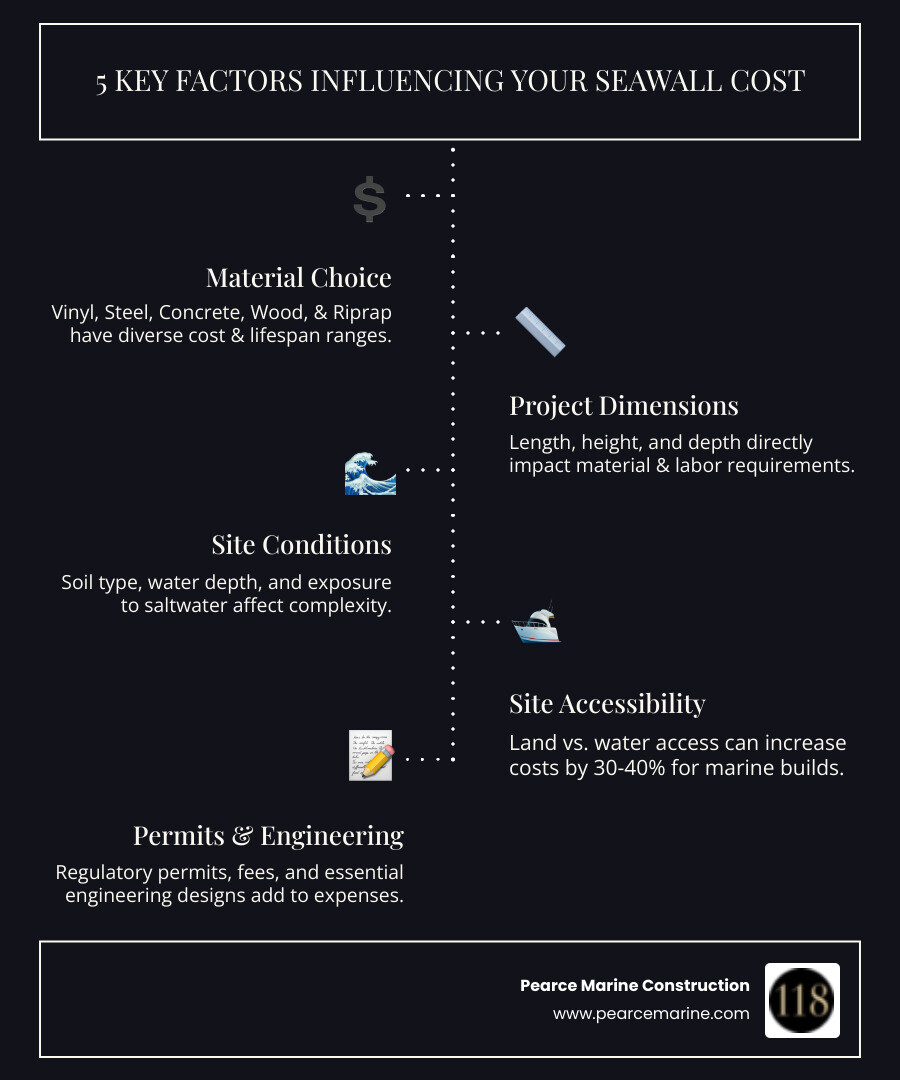
Beyond materials, several site-specific factors influence the final sea wall cost for your Long Island property, making a professional assessment essential.
Project Dimensions: Wall Height and Length
The size of your seawall directly impacts material and labor costs. Longer walls require more materials and labor. Taller walls, needed to handle storm surges in areas like West Hampton, require deeper foundations and more complex installation (e.g., pile driving), increasing the price. A concrete wall may need to be embedded 8 to 20 feet deep depending on local codes and wave force.
Site Conditions: Environment and Soil
- Saltwater vs. Freshwater: Most Nassau and Suffolk County properties are on saltwater, which is highly corrosive and demands more durable, expensive materials. Saltwater seawalls can cost up to twice as much as freshwater bulkheads.
- Soil Type: Driving piles into sandy soil is easier and less expensive than working with hard clay or rock. Rocky shorelines, sometimes found in Huntington, can significantly increase installation costs.
- Long Island's Environment: Our region's tidal fluctuations and exposure to Atlantic storms mean construction here often has a higher baseline cost than national averages.
Site Accessibility: Land vs. Water Access
How we access your shoreline is a major cost driver.
- Land Access: Direct land access is the most efficient and cost-effective method.
- Water Access: If your property, like those on a narrow West Islip canal or in a secluded Lloyd Harbor cove, requires installation from the water, costs increase. Using barges and marine logistics can make a project 30-40% more expensive than land-based construction.
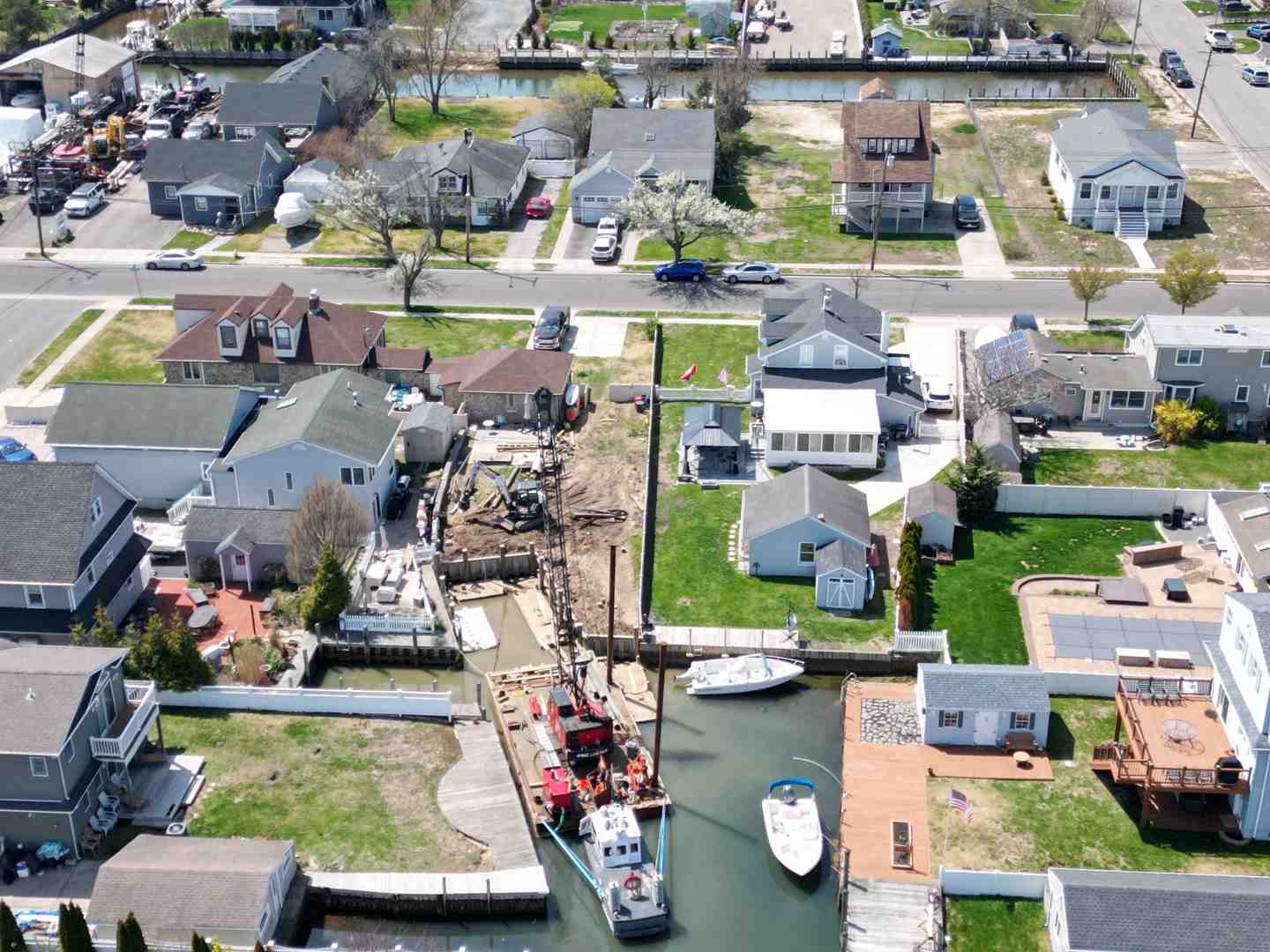
We assess these specific conditions to recommend the right solution. Our Shoreline Stabilization Services are designed to tackle these complex challenges.
Hidden Expenses: Additional Seawall Construction Costs to Budget For
Beyond materials and installation, several additional expenses can add thousands to your total sea wall cost. Be sure to budget for:
- Engineering and Design Fees: A qualified marine engineer must design a structurally sound and compliant seawall. For most residential projects in Nassau and Suffolk County, these fees typically run $2,000 to $5,000.
- Permitting Fees: Permits are non-negotiable. On Long Island, this involves local, state (NYSDEC), and sometimes federal agencies. Fees generally range from $150 to $2,500. We have extensive experience navigating these regulations.
- Environmental Impact Assessments (EIA): Projects in sensitive areas may require an EIA, adding $2,000 to $15,000 or more to your budget.
- Old Seawall Removal: If an old wall must be removed, budget an additional $50 to $150 per linear foot for demolition and disposal.
- Site Preparation and Drainage: Costs may include grading the shoreline or installing drainage systems (e.g., weep holes) to prevent water buildup.
- Finding Qualified Professionals: Always seek bids from licensed and insured marine contractors. To find reputable experts, you can Look for members of the International Marine Contractors Association. The cheapest quote is not always the best long-term value.
We include these elements in our proposals for a clear picture of the total investment.
Seawall Repair vs. Replacement: A Financial Breakdown
In Long Island's harsh marine environment, seawalls eventually need attention. Deciding whether to repair or replace is a critical choice that impacts your long-term sea wall cost.
Common Seawall Damage
We frequently see these issues across Nassau and Suffolk County:
- Cracks and leaks leading to soil erosion.
- Sinkholes or instability from erosion behind the wall.
- Deterioration of the concrete cap.
- Structural failure, such as leaning walls or joint separation.

Repair vs. Replacement Costs
- Repair Costs: Minor repairs, like sealing cracks or fixing small erosion spots, typically cost $100 to $250 per linear foot. Regular inspections (every 5-6 years) can catch these issues early. For comprehensive solutions, see our Seawall Repair Services.
- Replacement Costs: A full replacement due to structural failure costs $150 to $800 per linear foot, comparable to new construction.
The Financial Decision Point
Our rule of thumb: if repair costs approach 50% of the cost of a new seawall, replacement is more financially sound. While the upfront sea wall cost is higher, a new wall provides a full lifespan (30-50 years) and saves you from recurring repair bills, preserving your property value.
Understanding the True Sea Wall Cost: Seawall vs. Bulkhead
Though often used interchangeably, "seawall" and "bulkhead" have distinct purposes and different sea wall costs. Choosing the right one is crucial for your Long Island property.
Seawall: For Wave Defense
A seawall is a heavy-duty shield built to withstand direct, powerful wave action. It's essential for exposed properties, like those on the Atlantic in West Hampton or parts of the Long Island Sound. Built with robust materials like concrete or steel, they require complex engineering, making their cost higher—typically $200 to $800+ per linear foot.
Bulkhead: For Soil Retention
A bulkhead is a retaining wall designed to hold back soil in calmer waters, such as the canals in Massapequa or bays in Bayshore. Since they don't face intense wave impact, they are less expensive to build, often ranging from $50 to $250 per linear foot.
Key Differences:
- Purpose: Seawall for wave defense; Bulkhead for soil retention.
- Strength: Seawalls are for high impact; Bulkheads for calm conditions.
- Location: Seawalls on exposed coasts; Bulkheads in sheltered waterways.
- Cost: Seawalls are significantly more expensive.
We assess your Nassau and Suffolk County property to recommend the right solution. For a detailed comparison, read our Bulkhead vs Seawall Guide.
Securing Your Long Island Shoreline Investment
Investing in a seawall or bulkhead for your Long Island property is more than just a construction project; it's a critical investment in protecting your home, preserving your land, and enhancing the long-term value of your waterfront property. The sea wall cost might seem substantial upfront, but it pales in comparison to the potential losses from erosion and storm damage.
Our commitment at Pearce Marine Construction, a woman-owned business, is to provide Long Island property owners in Nassau and Suffolk County with shoreline protection solutions that blend generational expertise with meticulous craftsmanship. We understand the unique challenges of our local marine environments, from the fierce Atlantic storms hitting West Hampton to the gentle tides of the Bellmore canals.
By choosing durable materials, ensuring expert installation, and budgeting for all associated costs, you secure a long-term solution that stands strong against the elements. A well-built seawall offers peace of mind, knowing your property is safe for decades to come.
Protect your waterfront legacy with confidence. We invite you to Contact us for a consultation on your Seawalls and Bulkheads project, and let's work together to build lasting protection for your property.



Bring Your Vision to Life
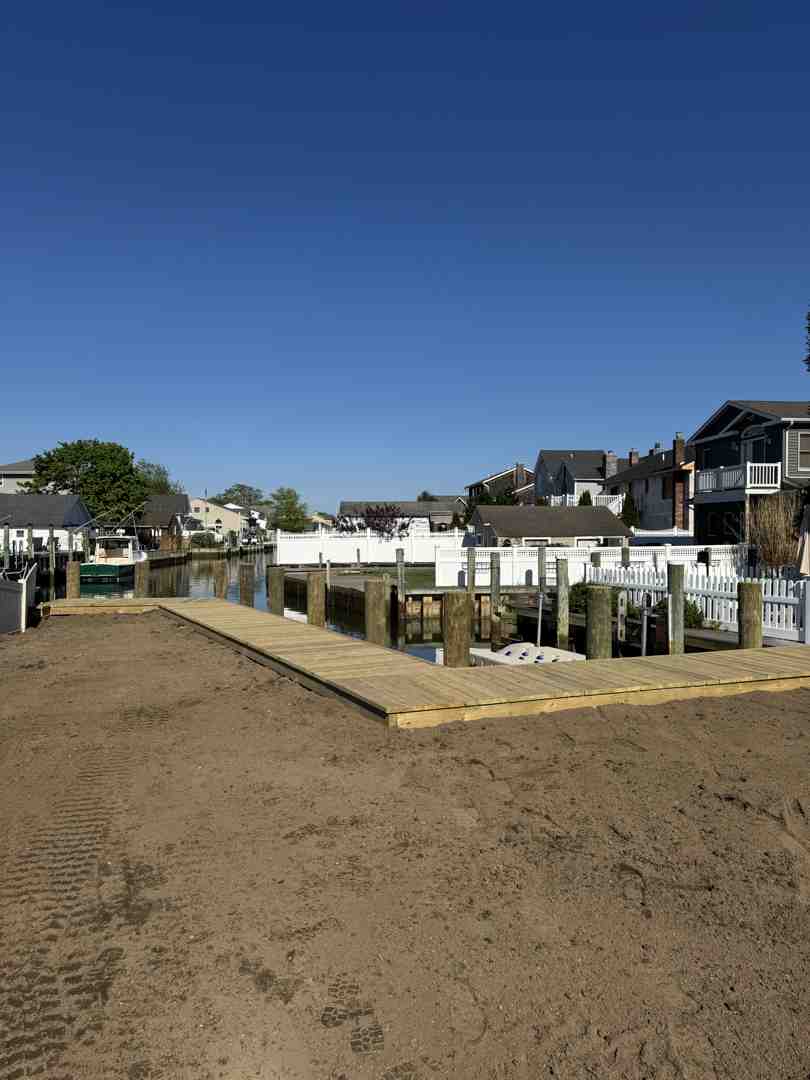
Whether you're planning a custom dock, seawall, or boat lift, our experienced team is ready to deliver high-quality marine construction tailored to your needs. Pearce Marine Construction brings craftsmanship, precision, and a deep understanding of Florida’s waterways to every project. Let us help you create a durable, beautiful solution that stands the test of time. Get in touch now for a personalized estimate!