
Guarding the Coastline: Your Guide to Seawall Inspections

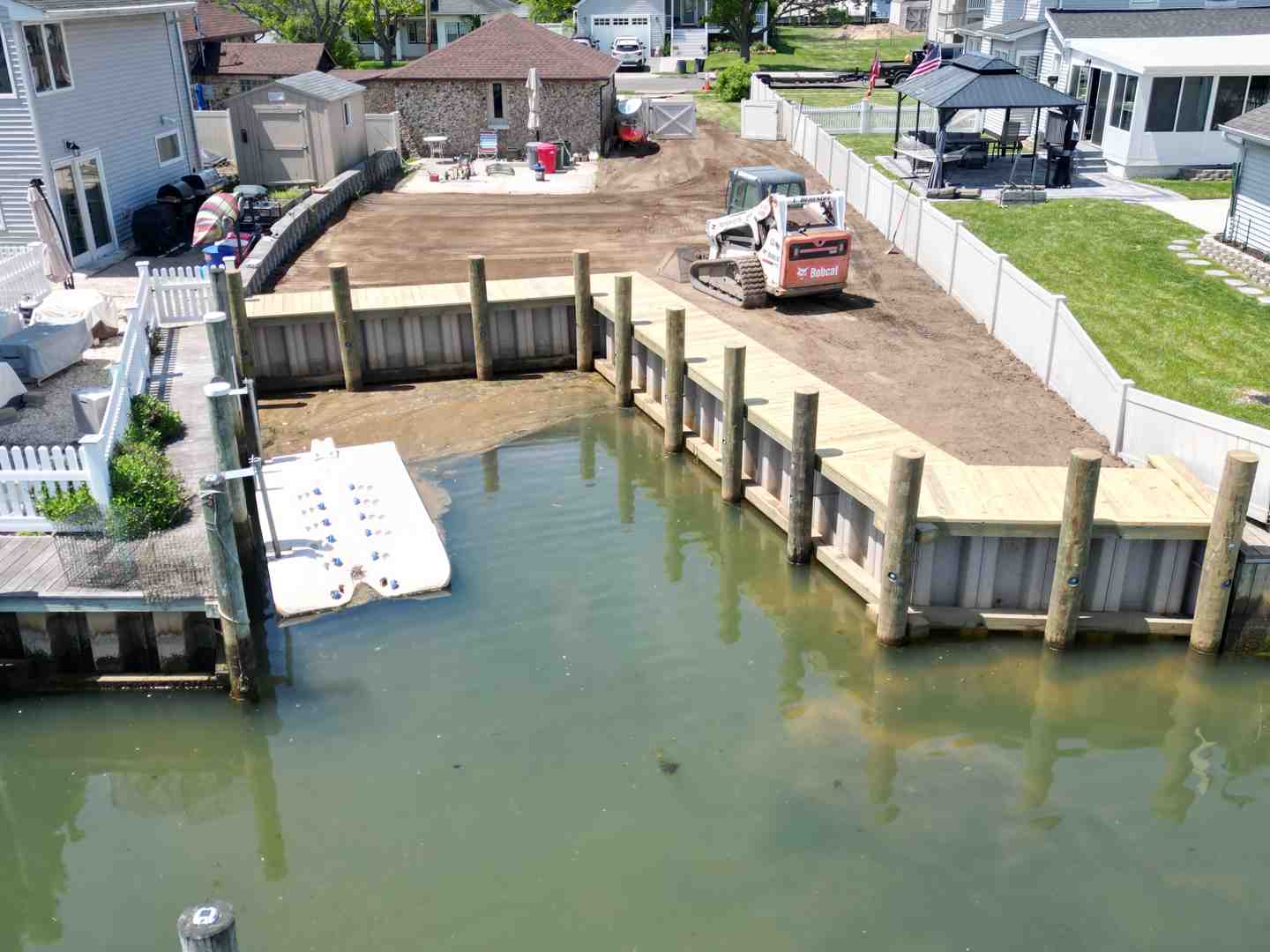
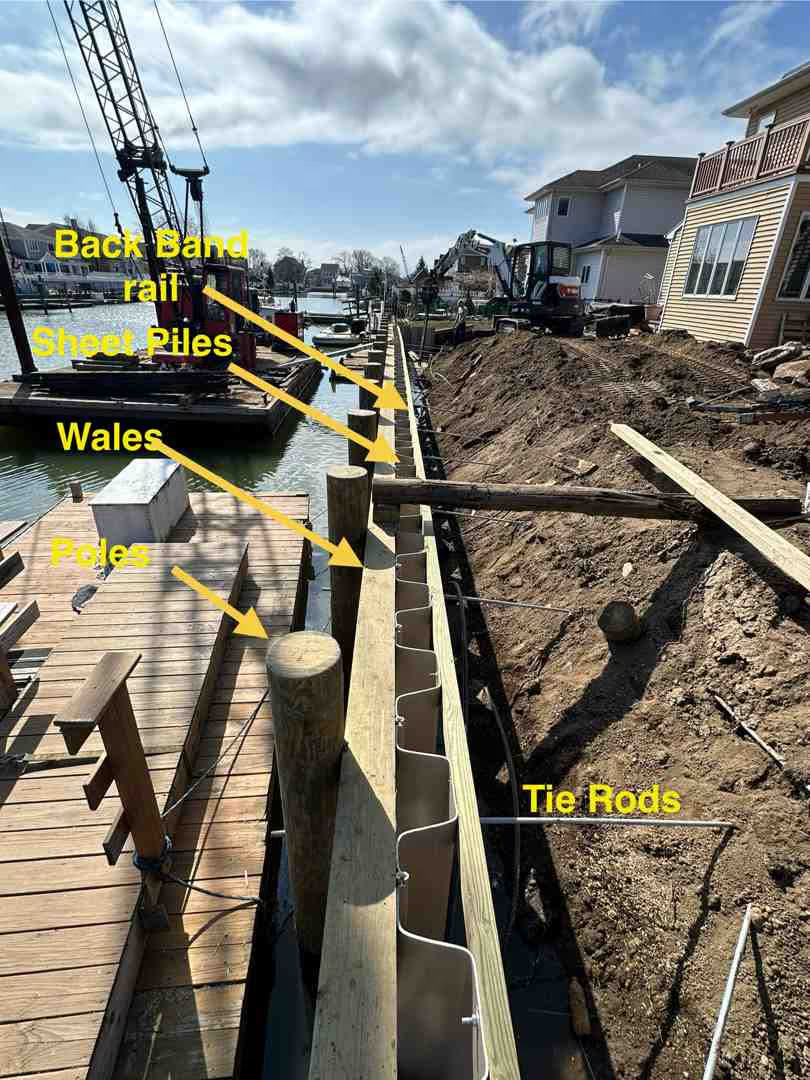
Seawall inspection services are a cornerstone of protecting coastal properties. Recognizing the profound significance of seawalls in safeguarding your waterfront investments cannot be overstated. These structural barriers play a vital role in coastal protection by holding back the relentless sea and mitigating the adverse effects of erosion and storms.
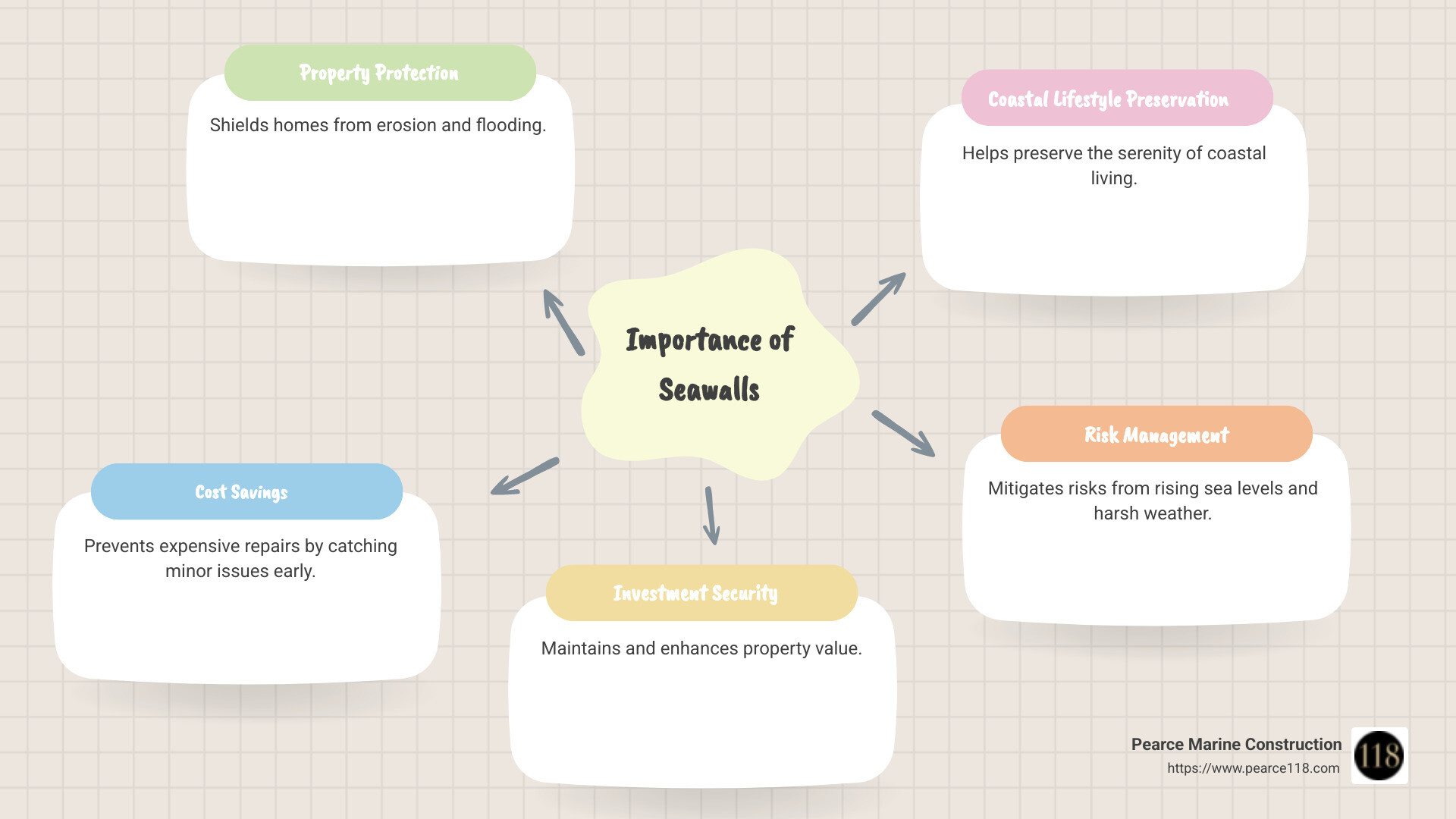
- Why Seawalls Matter:
- Property Protection: Shields homes from erosion and flooding.
- Cost Savings: Prevents expensive repairs by catching minor issues early.
- Investment Security: Maintains and improves property value.
Seawalls are your property's frontline defense. Without them, rising sea levels and harsh weather conditions pose severe risks.
Homeowners and investors on Long Island rely heavily on these structures to preserve the serenity of their coastal lifestyle and the value of their investments. It is vital to conduct regular inspections to ensure seawalls fulfill their protective roles efficiently.
Understanding Seawall Inspection Services
When it comes to seawall inspection services, the focus is on ensuring the structural integrity of these essential coastal barriers. Seawalls are like the unsung heroes of waterfront properties, silently standing guard against the forces of nature. But even the toughest seawalls need regular check-ups to keep doing their job effectively.
The Importance of Seawall Inspections
Seawall inspections are crucial for identifying potential problems before they escalate into costly repairs. Think of it as a health check-up for your seawall. Just as you wouldn't ignore a strange noise in your car, you shouldn't overlook warning signs in your seawall.
Structural Integrity: Inspections assess the strength and stability of your seawall. This includes checking for cracks, gaps, or any signs of wear and tear. It's about ensuring your seawall can withstand the elements.
Professional Assessments: Only a trained professional can provide a thorough evaluation. They use advanced techniques to look beyond the surface, detecting issues like soil instability or hidden corrosion.
What Happens During a Seawall Inspection?
A professional inspection involves several key steps:
Visual Inspection: The inspector examines both sides of the seawall for visible signs of damage or weakness.
Structural Evaluation: This includes checking the alignment and condition of panels, caps, and joints. Any signs of stress or movement are noted.
Detailed Assessment Report: After the inspection, you receive a comprehensive report. This document outlines any observed damage, recommended repairs, and urgent actions if needed.
Regular inspections not only help in maintaining the seawall's integrity but also save money in the long run by addressing small issues before they become major problems.
For homeowners and investors in coastal areas like Long Island, Nassau County, and Suffolk County, keeping seawalls in top shape is essential. These inspections are a small investment for the continued protection and peace of mind they provide.
Next, let's dig into the warning signs that indicate your seawall might be in trouble. Recognizing these signs early can make all the difference.
Warning Signs of Seawall Damage
Recognizing the early warning signs of seawall damage can save you from expensive repairs down the line. Here are some key indicators to watch for:
Cracks and Chips
Cracks and chips in the concrete are often the first visible signs of trouble. They may appear small, but they can quickly grow if not addressed. Cracks can compromise the seawall's strength, allowing water to seep in and cause further damage.
Rust Stains
Rust stains on the surface of your seawall can indicate internal rebar corrosion. This is a serious issue because the rebar provides essential support to the concrete structure. If you notice rust stains, it's time to call a professional for a closer look.

Soil Erosion
Soil erosion behind the seawall is another red flag. This can lead to instability and potential collapse if not corrected. Erosion often occurs when water seeps through cracks or gaps, washing away the soil that holds the seawall in place.
Gaps in Panels
Gaps or separations between wall panels are a clear sign of structural issues. These gaps can allow water to penetrate and may indicate movement or settling of the seawall. Addressing these gaps promptly can prevent more extensive damage.
By keeping an eye out for these warning signs, property owners can take action before minor issues turn into major problems. Regular seawall inspection services are key to ensuring your seawall remains a strong and reliable barrier against the forces of nature.
The Professional Seawall Inspection Process
When it comes to seawall inspection services, a thorough evaluation is essential. This process not only identifies existing damage but also helps prevent future issues. Here's what you can expect during a professional seawall inspection:
Visual Inspection
A visual inspection is the first step. Inspectors examine both sides of the seawall for any visible signs of damage, such as cracks, rust stains, and gaps between panels. These indicators, as discussed earlier, can signal deeper structural problems. A trained eye can detect even subtle signs that might be missed by an untrained observer.
Structural Evaluation
After the visual inspection, a structural evaluation is conducted. This involves a more detailed analysis using advanced tools and techniques. Inspectors might use methods like underwater cameras to assess submerged sections or non-destructive testing (NDT) to evaluate the integrity of the concrete and rebar without causing any damage. This step ensures that hidden issues, such as internal corrosion or soil erosion, are identified.
Assessment Report
Finally, the findings are compiled into a comprehensive assessment report. This report includes detailed notes, photographs, and measurements of any areas of concern. It outlines necessary repairs, provides timelines, and offers cost estimates. The report is a valuable tool for property owners, helping them make informed decisions about maintenance and repairs.
By understanding and following this process, you can ensure your seawall remains a strong defense against coastal erosion and flooding. Regular inspections are a proactive approach to maintaining the structural integrity of your seawall, ultimately protecting your property investment.
The Role of Technology in Seawall Maintenance
In seawall inspection services, technology plays a crucial role. Advanced diagnostics allow inspectors to go beyond what the naked eye can see, ensuring a thorough evaluation of the seawall's condition. Let's explore some of the key technologies used in seawall maintenance.
Ground Penetrating Radar (GPR)
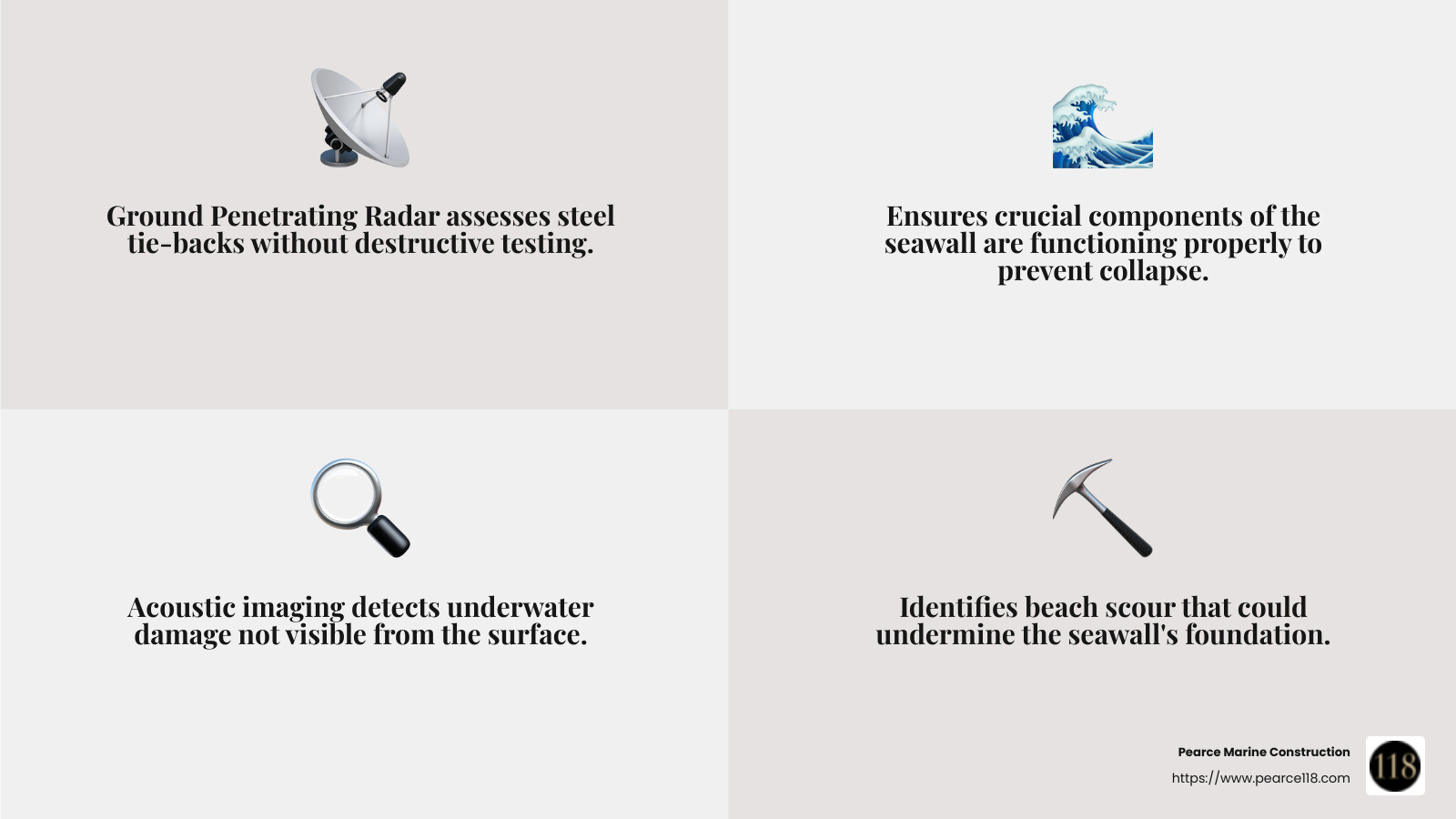
Ground Penetrating Radar is a game-changer for seawall inspections. It helps locate and evaluate the condition of steel tie-backs, which are essential for supporting the seawall against wave forces. Properly functioning tie-backs are crucial, as their failure can lead to the movement or collapse of the wall. By using GPR, inspectors can accurately assess these components without any destructive testing.
Acoustic Imaging
Acoustic imaging is another advanced technology that improves the inspection process. It creates detailed images of submerged sections of the seawall, allowing inspectors to identify underwater damage or erosion that might not be visible from the surface. This technology is especially useful for detecting issues like beach scour, which can undermine the seawall's foundation.
Advanced Diagnostics
Beyond GPR and acoustic imaging, modern seawall inspections use a variety of advanced diagnostic tools. For instance, ultrasonic thickness readings can measure the thickness of metal walls, both above and below the waterline. This helps detect any thinning due to corrosion, which could compromise the wall's structural integrity.
These technologies provide a comprehensive understanding of a seawall's condition, allowing for timely interventions before minor issues become major problems. By integrating cutting-edge tools into the inspection process, Pearce Marine Construction ensures that your seawall remains robust and reliable, safeguarding your property from the relentless forces of nature.
The Value of Seawall Inspections When Buying Waterfront Property
Purchasing a waterfront property is a dream for many. But before you close the deal, seawall inspection services should be at the top of your checklist. Just like a home inspection, a pre-purchase seawall inspection is essential. It can uncover hidden issues that may not be visible at first glance.
Uncovering Hidden Issues
Seawalls are your property's first line of defense against erosion and flooding. However, they can suffer from cracks, rust, and soil erosion over time. A professional inspection can reveal these hidden problems. For example, a small crack today might lead to significant structural damage tomorrow.
Negotiation Leverage
Once you know the condition of the seawall, you have valuable information for negotiations. If the inspection uncovers issues, you can request that the seller address these problems before closing. Alternatively, you can negotiate a lower purchase price to account for future repair costs.
Peace of Mind
Investing in a pre-purchase inspection offers peace of mind. You'll know exactly what you're getting into and can plan for any necessary repairs or maintenance. This proactive approach can save you from unexpected expenses and ensure your waterfront paradise remains a dream, not a nightmare.
By prioritizing seawall inspections, you protect your investment and ensure your new property is a safe and secure haven. This foresight is invaluable, especially in areas vulnerable to rising seas and harsh weather conditions.
Frequently Asked Questions about Seawall Inspection Services
How much does a seawall inspection cost?
The cost of a seawall inspection can vary depending on several factors, such as the size and complexity of the structure. However, at Pearce Marine Construction, we offer a free evaluation for properties not on the market. If the property is on the market, the inspection costs $1000, which is credited towards any necessary repairs.
This approach ensures that you receive a thorough assessment without immediate financial pressure, making it easier to prioritize your property's safety and integrity.
How long is the life expectancy of a concrete seawall?
Concrete seawalls are known for their durability and can last 50 to 75 years with proper maintenance. However, their lifespan largely depends on environmental conditions and regular upkeep. Routine inspections and preventive maintenance are key to extending their life expectancy.
By addressing minor issues like cracks or erosion early, you can prevent more significant problems down the line, ultimately saving on costly repairs or replacements.
What are the benefits of regular seawall inspections?
Regular seawall inspections are crucial for preventive maintenance. They help identify early signs of damage, such as cracks, rust stains, or soil erosion, which can escalate if left unchecked. By catching these issues early, you can save significantly on repair costs.
Moreover, regular inspections provide peace of mind. Knowing that your seawall is in good condition protects your property from potential flooding and erosion, especially important for waterfront properties in areas prone to severe weather and rising sea levels. This proactive approach not only safeguards your investment but also ensures the safety and enjoyment of your coastal property.
Conclusion
At Pearce Marine Construction, we pride ourselves on our generational expertise and meticulous craftsmanship. As a woman-owned business specializing in marine construction across Long Island, NY, we understand the importance of protecting your waterfront property with reliable seawall solutions.
Our team brings decades of experience, passed down through generations, to every project. This deep knowledge allows us to handle even the most complex seawall inspections and repairs with precision. We know that a well-maintained seawall is not just a barrier against the sea—it's a safeguard for your home and investment.
Our commitment to quality means we pay attention to every detail, ensuring that our seawall inspection services are thorough and accurate. By using advanced technology and proven methods, we can identify and address potential issues before they become costly problems. This meticulous approach is what sets us apart.
Choosing Pearce Marine Construction means choosing peace of mind. With our expertise and dedication, you can trust that your seawall is in capable hands. Whether you're looking to maintain your current seawall or need a new one, we are here to help protect your property for years to come.
For more information on our services, visit our Seawalls and Bulkheads page and see how we can assist you in guarding your coastline.

Bring Your Vision to Life
Whether you're planning a custom dock, seawall, or boat lift, our experienced team is ready to deliver high-quality marine construction tailored to your needs. Pearce Marine Construction brings craftsmanship, precision, and a deep understanding of Florida’s waterways to every project. Let us help you create a durable, beautiful solution that stands the test of time. Get in touch now for a personalized estimate!