
How to Build a Wood Seawall: A Natural Approach to Shoreline Protection

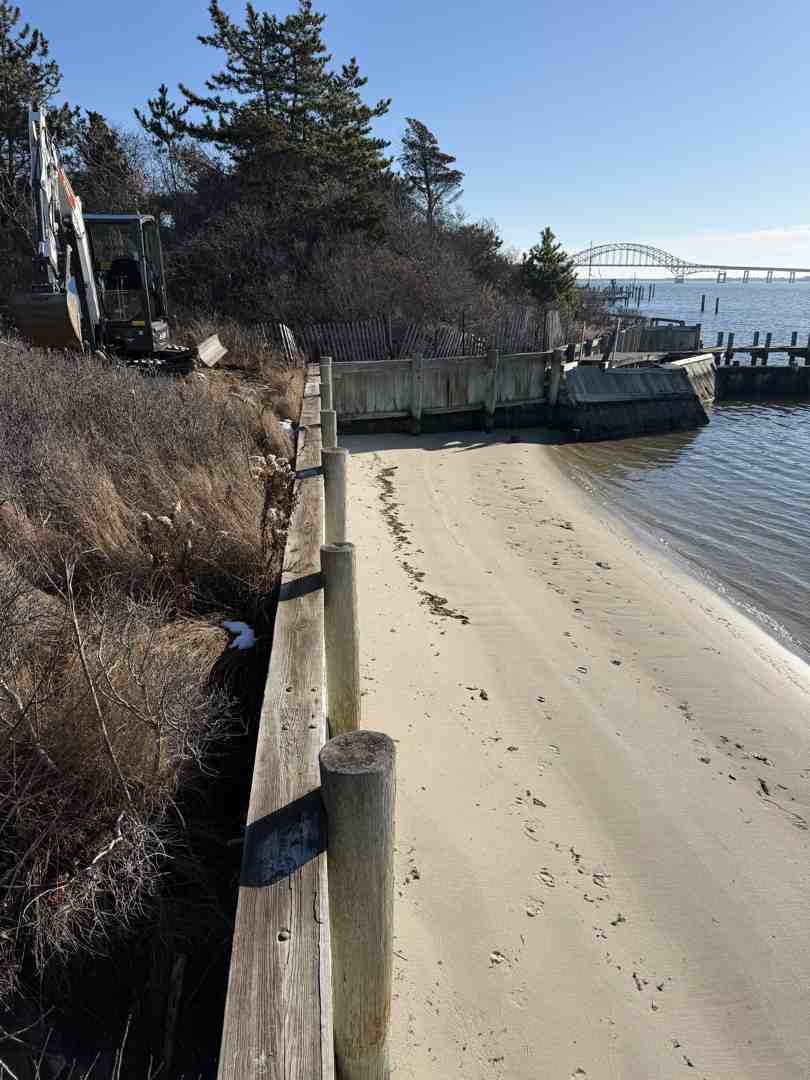
What You Need to Know About How to Build a Wood Seawall
How to build a wood seawall correctly involves these core professional phases executed by Pearce Marine Construction:
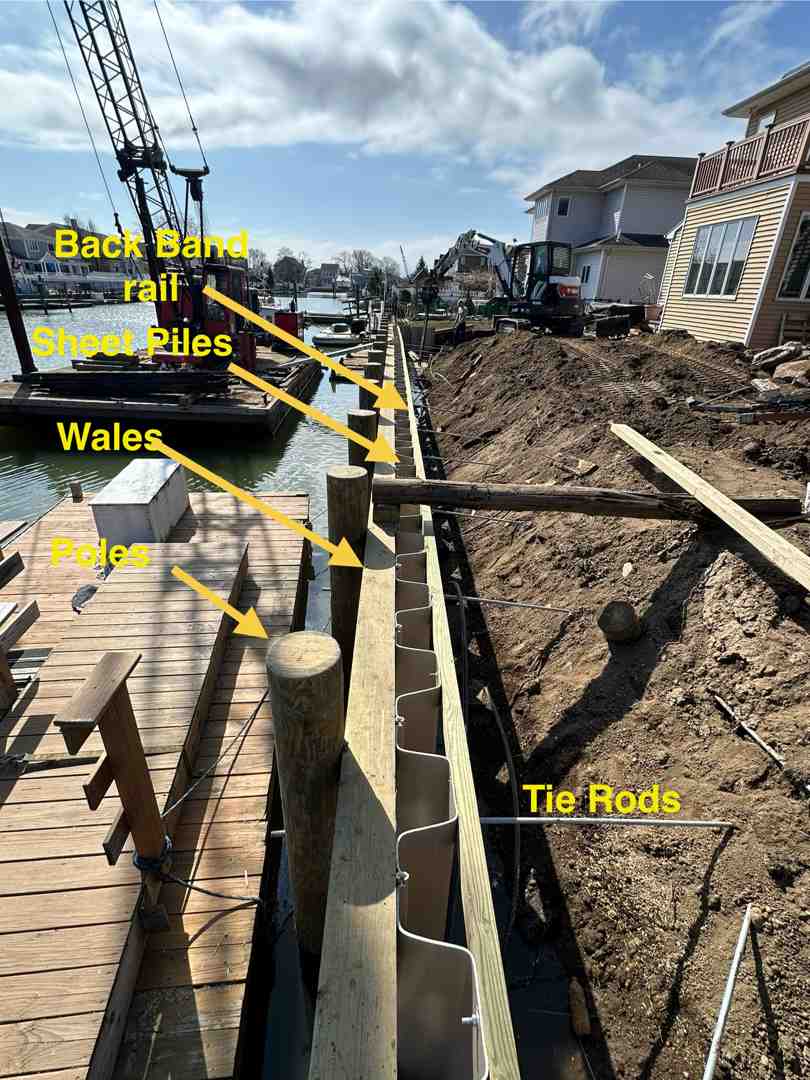
- Drive face piles into the ground using a vibratory hammer — typically 9-10 inches in diameter, extending 14+ feet deep
- Attach walers (horizontal beams) to the piles for structural support
- Install sheeting boards using marine-grade, pressure-treated Southern Pine
- Connect the anchoring system — deadmen anchors and tie-rods positioned 2.5 to 20 feet behind the wall face
- Install drainage — 1.5-inch weep holes every 5 feet, backed with geotextile filter fabric and gravel backfill
- Backfill and finish with clean granular material, then add riprap at the toe for scour protection
Waterfront properties on Long Island face a relentless battle against erosion, storm surge, and tidal forces. For homeowners in Nassau and Suffolk Counties — from West Islip to Southampton — a properly built wood seawall is one of the most effective and cost-efficient ways to protect that investment.
Wooden bulkheads have been a trusted shoreline solution for generations. When built with marine-grade materials and correct engineering, they can last 20 to 30 years or more — and they blend naturally into Long Island's coastal landscape in a way that concrete or vinyl simply can't replicate.
This level of construction requires specialized marine equipment and engineering. The difference between a seawall that holds through a Nor'easter and one that fails within a few seasons comes down to materials, engineering, and installation precision provided by a professional marine contractor.
This overview details exactly what professional-grade wood seawall construction looks like — from pile driving and anchoring systems to drainage design and long-term maintenance.

How to build a wood seawall resources:
Professional Engineering: How to Build a Wood Seawall for Longevity
When we discuss how to build a wood seawall, we aren't just talking about stacking boards against the sand. A professional timber bulkhead is a complex engineering feat designed to withstand immense lateral earth pressure and the punishing hydraulic forces of the Atlantic Ocean or the Great South Bay.
The structural integrity of a seawall begins with a comprehensive soil analysis. On Long Island, our soil varies from the heavy clays of the North Shore to the shifting sands of the South Shore barrier islands. Understanding how the soil behind the wall will behave when saturated is critical. We calculate the lateral earth pressure to ensure the wall doesn't bow or "kick out" at the bottom. This engineering-first approach is why a professional installation is the only way to guarantee a 20-30+ year lifespan.
Selecting Marine-Grade Materials for How to Build a Wood Seawall
The most common point of failure for a wood seawall isn't the design; it’s the material choice. For the harsh marine environments of Nassau and Suffolk County, we exclusively use Marine-Grade Southern Pine. However, not all treated wood is created equal.
To combat saltwater corrosion and the relentless appetite of marine borers like gribbles and shipworms, the wood must be pressure-treated with Chromated Copper Arsenate (CCA). For freshwater applications, a retention level of 0.60 pcf (pounds per cubic foot) might suffice, but for the brackish and salt waters of Long Island, we require a 2.5 pcf retention level. This heavy-duty treatment ensures the timber remains toxic to organisms that would otherwise turn your seawall into Swiss cheese within five years.
Furthermore, every bolt, nut, and tie-rod must meet ASTM A-153 standards for hot-dipped galvanization. In a saltwater environment, standard hardware will rust through in a matter of seasons, leading to catastrophic structural failure. For more detailed insights, explore our best wooden bulkhead construction guide.
Structural Components and How to Build a Wood Seawall Foundation
The foundation of a timber bulkhead consists of face piles. These are the vertical "bones" of the structure. In a professional build, these piles are typically 9 to 10 inches in diameter and must be driven deep into the substrate—often 14 feet or more—to reach stable soil and prevent "toe failure."
We utilize a vibratory hammer for this process. Unlike traditional drop hammers, a vibratory driver uses high-frequency vibrations to liquefy the soil momentarily, allowing the pile to settle into place with extreme precision and minimal environmental disturbance. Once the piles are set, we install walers—horizontal support beams—that tie the piles together.
The "skin" of the wall consists of sheeting boards. These are driven vertically into the ground, overlapping to create a tight seal. When considering how to build a wood seawall, the depth of these sheets is just as important as the piles; they must extend deep enough to prevent water from scouring the soil out from underneath the wall. You can find more technical details on timber bulkhead construction guide.
Advanced Anchoring and Drainage Systems
A seawall is essentially a massive lever. The weight of the soil behind it wants to push the top of the wall into the sea. To counteract this, we use an advanced anchoring system.
- Deadmen Anchors: These are heavy timber or concrete masses buried deep in the stable soil behind the wall (anywhere from 2.5 to 20 feet back).
- Tie-Rods: High-strength, galvanized steel rods connect the walers on the wall face to the deadmen.
- Tensioning: These rods are precisely tensioned to pull the wall back against the land, creating a balanced system of forces.
Equally important is drainage. Hydrostatic pressure—the weight of water trapped in the soil behind the wall after a high tide or heavy rain—is the leading cause of seawall collapse. We install 1.5-inch weep holes every 5 feet, positioned approximately 6 inches above the mean low water mark. These holes are protected by geotextile filter fabric and a thick layer of gravel backfill, which allows water to escape while keeping the soil firmly in place. For a deeper look at protecting your structure, see our seawall repair services ultimate guide.
Partnering with Long Island Experts for Shoreline Construction
Building a seawall in places like Babylon, Merrick, or Montauk requires more than just a hammer and a permit. It requires an intimate knowledge of Long Island's unique coastal dynamics. At Pearce Marine Construction, we bring generational expertise and meticulous craftsmanship to every project. Whether we are working in the calm canals of Massapequa or the exposed shorelines of West Hampton, our goal is to build a structure that stands as a fortress against the elements.
Advanced Marine Construction Equipment and Engineering
The reality of marine construction on Long Island is unforgiving. Professional installation by Pearce Marine Construction is the only way to ensure the structural integrity required to survive a major Atlantic storm.
Our team utilizes specialized heavy machinery—including barges and vibratory pile drivers—that are essential for proper shoreline stabilization. More importantly, we perform the engineering calculations necessary to determine exact pile depth and anchoring requirements. A wall that is "eyeballed" will inevitably lean, bow, or collapse when the first Nor'easter hits. When you choose us, you aren't just paying for labor; you are investing in the peace of mind that comes from knowing your property is protected by the best in the business. Ready to secure your shoreline? Request a quote for seawall construction.
Long-Term Maintenance and Repair for Timber Bulkheads
Even the best-built wood seawall requires a bit of TLC to reach its full 30-year potential. We recommend annual inspections to check for:
- Hardware Tightness: The freeze-thaw cycles on Long Island can loosen nuts and bolts over time.
- Marine Borer Activity: We look for tiny holes or "hourglassing" of the piles that indicate pest infestation.
- Scour Protection: We check the "toe" of the wall to ensure the tide hasn't washed away the supporting seabed. If scour is present, we often install riprap (large stones) to break up wave energy and protect the base.
- Drainage Check: We ensure weep holes haven't become clogged with debris or silt.
If you notice your wall is leaning or you see sinkholes forming in your lawn, it’s time to call in the experts. Early intervention can often save a wall through targeted repairs rather than a full replacement. For more on maintaining your investment, check out our guide on seawall repair contractors.
By understanding the complexities of how to build a wood seawall, you can make an informed decision about protecting your Long Island home. From the initial soil analysis to the final tightening of the galvanized tie-rods, every step matters. At Pearce Marine Construction, we take pride in building the bulkheads that keep Nassau and Suffolk Counties beautiful and secure.



Bring Your Vision to Life
Whether you're planning a custom dock, seawall, or boat lift, our experienced team is ready to deliver high-quality marine construction tailored to your needs. Pearce Marine Construction brings craftsmanship, precision, and a deep understanding of Florida’s waterways to every project. Let us help you create a durable, beautiful solution that stands the test of time. Get in touch now for a personalized estimate!