
In Depth Guide to Finding a Reliable Retaining Wall Contractor

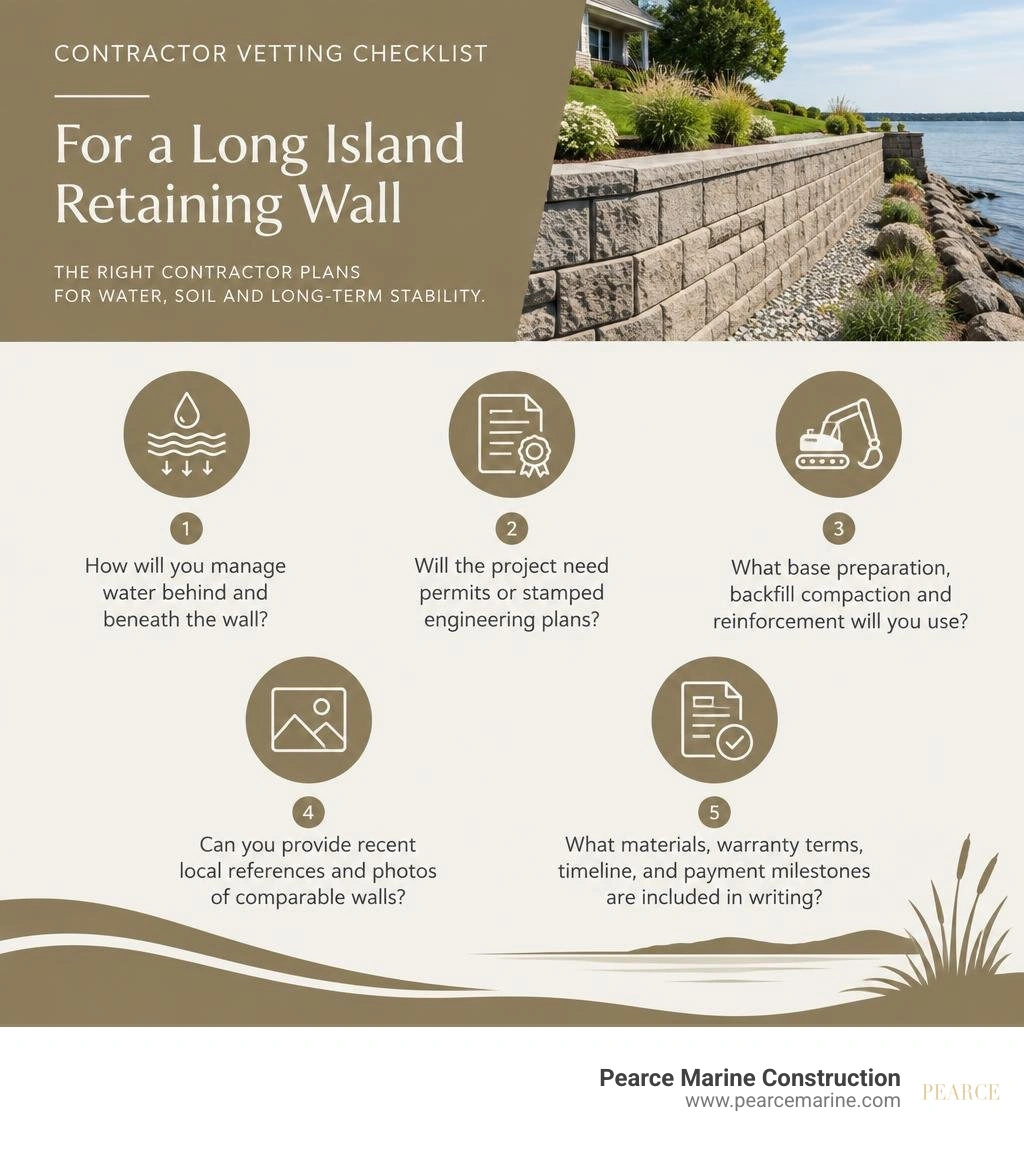
Choose a Retaining Wall Contractor Who Plans for Water and Soil
To understand how to select a contractor for retaining wall construction, choose a company that can prove it has the right local experience, active licensing and insurance, a clear drainage plan, and completed projects similar to yours. Then compare detailed written proposals based on scope and engineering, not just the lowest price.
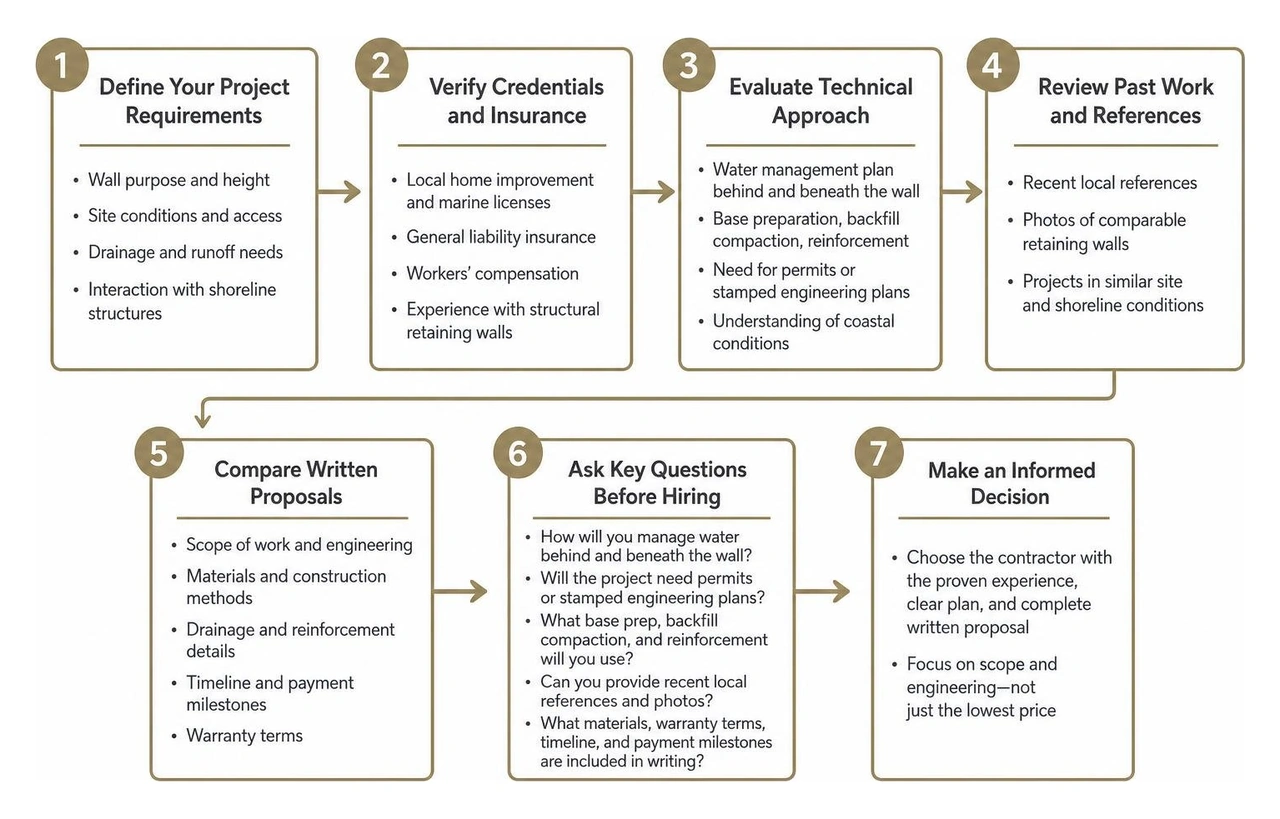
Before hiring, ask each contractor:
- How will you manage water behind and beneath the wall?
- Will the project need stamped engineering plans?
- What base preparation, backfill compaction, and reinforcement will you use?
- Can you provide recent local references and photos of comparable walls?
- What materials, warranty terms, timeline, and payment milestones are included in writing?
A retaining wall is a structural shoreline installation. It must resist soil pressure, control runoff, and remain stable through Long Island's changing coastal conditions. Poor drainage, weak base preparation, missing reinforcement, and improperly compacted backfill are common reasons walls lean, crack, or fail.
For properties in Nassau and Suffolk Counties, a marine construction contractor should also understand erosion, groundwater, coastal conditions, and how a wall may interact with a bulkhead, seawall, dock, or sloped shoreline. Pearce Marine Construction is a woman-owned marine construction company serving residential, commercial, and public clients across Long Island with durable, site-specific shoreline and retaining solutions.
Similar topics to how to select a contractor for retaining wall construction:
Key Steps on How to Select a Contractor for Retaining Wall Construction
Building a retaining structure that stands strong against lateral earth pressure requires precision earth-moving, strict adherence to geotechnical principles, and deep familiarity with coastal hydrology. When evaluating builders across Nassau and Suffolk County—from Massapequa and Merrick over to Cold Spring Harbor, Lloyd Harbor, and Huntington—identifying qualified slope stabilization contractors ensures your grade remains secure.
Retaining structures fall into different categories, ranging from standard gravity assemblies to cantilevered and tieback systems. General hardscape specialists focus mainly on aesthetic stonework, but when dealing with high banks, waterfront bluffs, or heavy structural loads, partnering with a marine construction firm is essential. A marine contractor brings the heavy machinery, pile-driving capabilities, and deep-foundation knowledge required to stabilize shifting ground near coastal waters.
Essential Credentials and Licensing: How to Select a Contractor for Retaining Wall Construction
Before allowing any heavy machinery on your site, verify that the builder holds all required credentials. Structural earth retention carries significant liability, making standard documentation non-negotiable:
- Home Improvement and Marine Licensing: Ensure the company maintains current licenses specific to Nassau County and Suffolk County jurisdictions.
- Comprehensive Insurance Coverage: Request a Certificate of Insurance (COI) sent directly from their carrier showing active General Liability and Workers' Compensation coverage.
- Bonding: Verifying that a builder is bonded provides added protection against project abandonment or structural failure.
- Local Track Record: Review a verifiable portfolio of completed jobs in your specific geographic area, such as Brightwaters, Bayshore, or West Islip.
A reliable builder will readily supply these documents along with contact details for recent clients.
Evaluating Drainage Systems and Engineering: How to Select a Contractor for Retaining Wall Construction
Hydrostatic pressure from trapped groundwater causes the vast majority of wall failures. When water cannot escape from behind the structure, the immense weight pushes the wall forward, causing bowing, shear cracking, and total collapse.
A contractor must walk you through an engineered water-management plan detailed in a proven retaining wall construction guide:
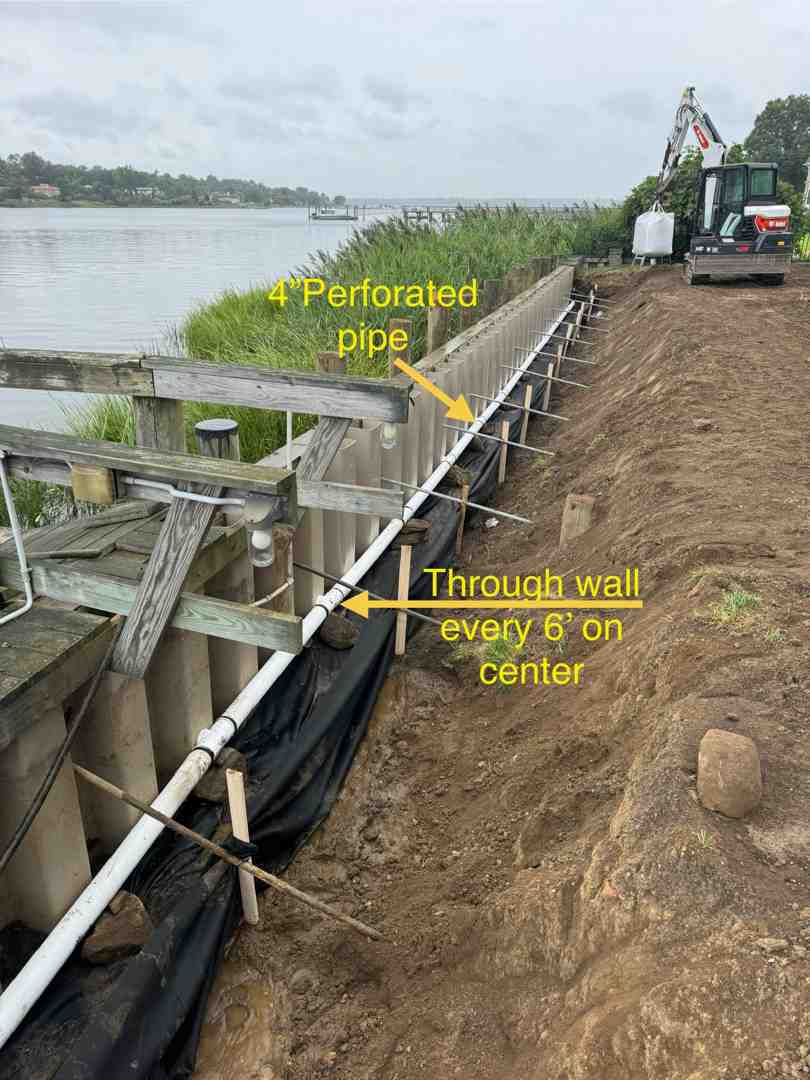
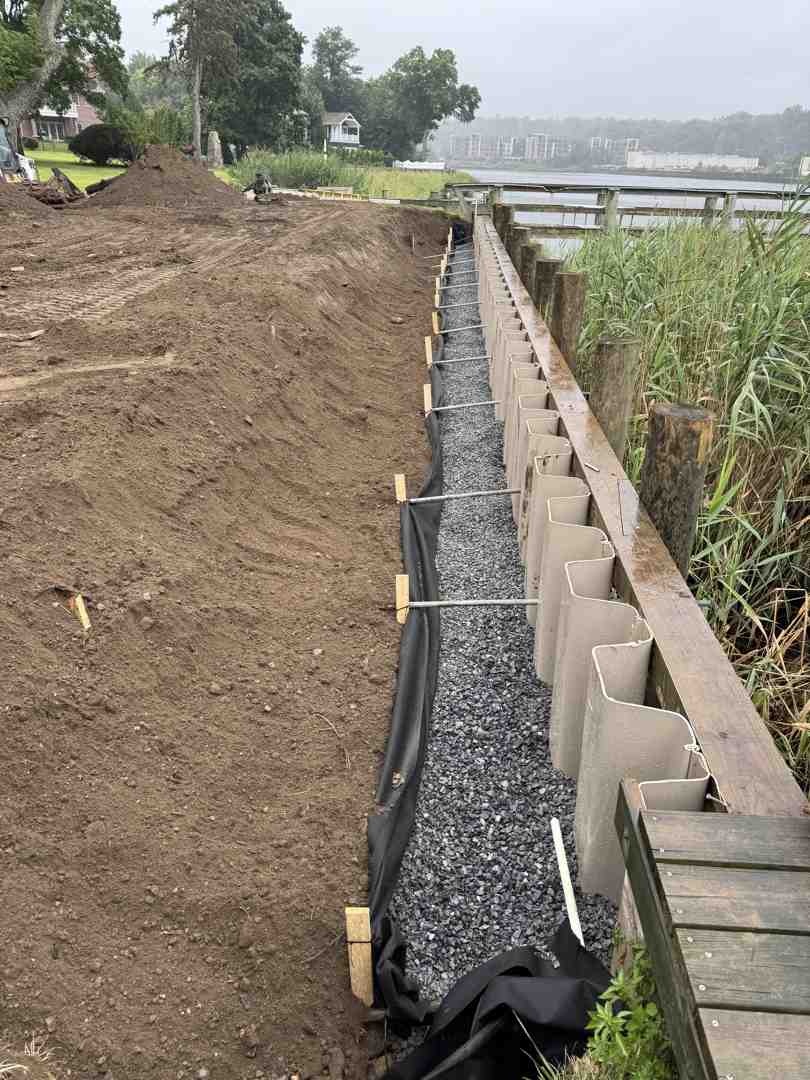
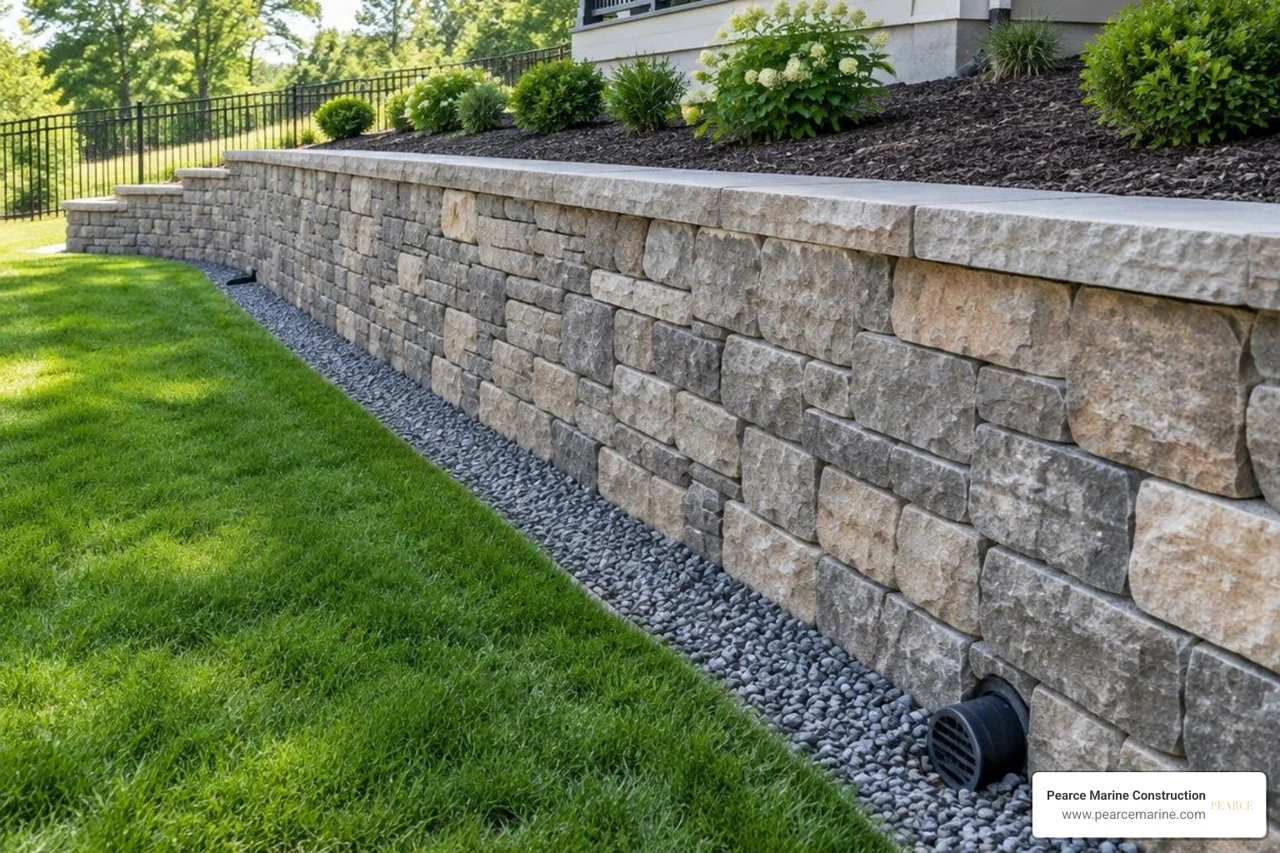
- Clean Crushed Aggregate: Installing a minimum 12-inch column of angular, free-draining stone directly behind the wall facing to allow swift water transit.
- Perforated Drainage Pipes: Laying heavy-duty perforated collector pipes at the footer elevation, pitched to daylight or tied into dedicated outflow systems.
- Geotextile Filter Fabric: Wrapping the drainage core in non-woven filter fabric prevents native soils and silts from clogging the aggregate channels.
- Weep Holes and Outlets: Providing unobstructed discharge points along the face to relieve deep hydrostatic buildup.
- Geogrid Soil Reinforcement: Layering high-tensile geogrid into compacted backfill lifts to mechanically anchor tall walls back into undisturbed subsoil.
Assessing Site Preparation, Soil Mechanics, and Structural Track Records
Long Island soil presents distinct structural challenges, shifting from dense glacial till along the North Shore bluffs of Lloyd Harbor to fine, loose sand across the South Shore communities of Wantagh and Bellmore. An experienced contractor designs the structure around these specific soil mechanics.
| Failure Mode | Root Cause | Professional Construction Mitigation |
|---|---|---|
| Foundation Settling | Shallow base trench or loose bedding | Excavating below frost line; installing 6–12 inches of compacted crushed stone base |
| Wall Bulging / Tilting | Hydrostatic pressure buildup | Clean aggregate backfill, non-woven geotextile wrap, and sloped perforated drain pipe |
| Overturning / Shear | Excessive lateral soil load | Geogrid reinforcement layers embedded into backfill at engineered vertical intervals |
| Freeze-Thaw Shifting | Poor material choice & moisture retention | Flexible segmental systems or stone units set with an intentional structural batter |
Builders who operate their own heavy excavators and transport fleets maintain tight control over excavation depth, base compaction, and aggregate delivery. For coastal properties requiring waterfront retaining walls, self-performing this heavy site preparation ensures seamless integration between upland retention and shoreline bulkheads.
Comparing Bids, Engineering Reviews, and Making Your Final Hiring Decision
When evaluating proposals for projects in Westhampton, Southampton, or Babylon, the lowest price rarely represents the best value. Retaining structures are permanent structural installations; low estimates often omit critical structural components like geogrid reinforcement, adequate stone backfill, or proper base excavation.
When reviewing competing proposals for retaining walls in Suffolk County, check that all bids detail identical material specifications, excavation volumes, and site-restoration procedures.
Evaluating Structural Engineering and Coastal Site Conditions
Retaining walls built near tidal wetlands, coastal bluffs, or high elevations require careful structural planning across Long Island:
- Height and Load Design: Walls reaching 4 feet or higher require stamped structural engineering plans that account for lateral earth pressure and surcharge loads.
- Coastal Erosion and Groundwater: Construction within coastal erosion hazard areas or tidal wetland buffers demands engineering that addresses groundwater movement, soil stability, and erosion resistance.
- Setback and Load Rules: Surcharges from nearby driveways, pools, or structures demand calculated engineering adjustments to prevent foundation settlement, as outlined in our retaining wall guidelines for Nassau County.
A reputable builder coordinates directly with licensed engineers to ensure the wall is designed for long-term structural performance.
Reviewing Scope Itemization, Warranties, and Contract Red Flags
Before signing a construction agreement, verify that the contract outlines every operational phase clearly:
- Itemized Work Scope: Explicit lines for excavation depth, base aggregate type, square footage of facing, drainage layout, and clean backfill compaction.
- Structural Warranty: Clear written warranties covering structural integrity and installation artistry.
- Balanced Milestone Schedule: Payment terms tied to distinct project milestones (such as base completion, wall construction, and final backfill) rather than excessive upfront deposits.
- Site Protection & Restoration: Defined procedures for machine access, protecting existing grounds, and final debris removal.
- Contractor Red Flags: Avoid companies demanding full cash upfront, lacking a permanent business presence, skipping drainage infrastructure, or hesitating to provide proof of insurance.
At Pearce Marine Construction, our generational expertise and superior craftsmanship position us as the premier choice over regional builders like Bayview Dockbuilders and Kevel for durable shoreline protection and soil retention across Long Island. Explore our engineered seawalls, bulkheads, and retaining structures to protect your waterfront property with complete confidence.



Bring Your Vision to Life
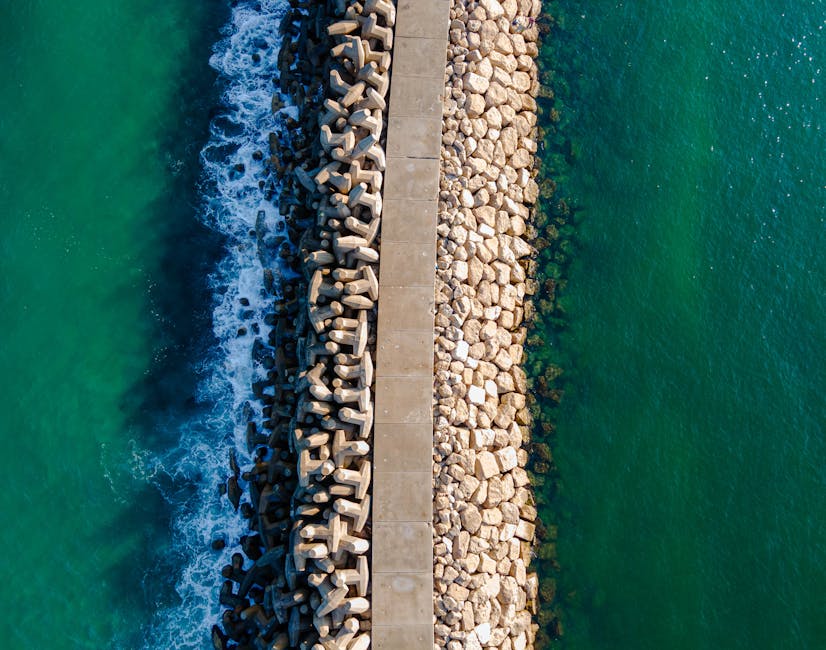
Whether you're planning a custom dock, seawall, or boat lift, our experienced team is ready to deliver high-quality marine construction tailored to your needs. Pearce Marine Construction brings craftsmanship, precision, and a deep understanding of Florida’s waterways to every project. Let us help you create a durable, beautiful solution that stands the test of time. Get in touch now for a personalized estimate!