
Don't Let Your Waterfront Sink: The Ultimate Guide to Polyurethane Seawall Repair

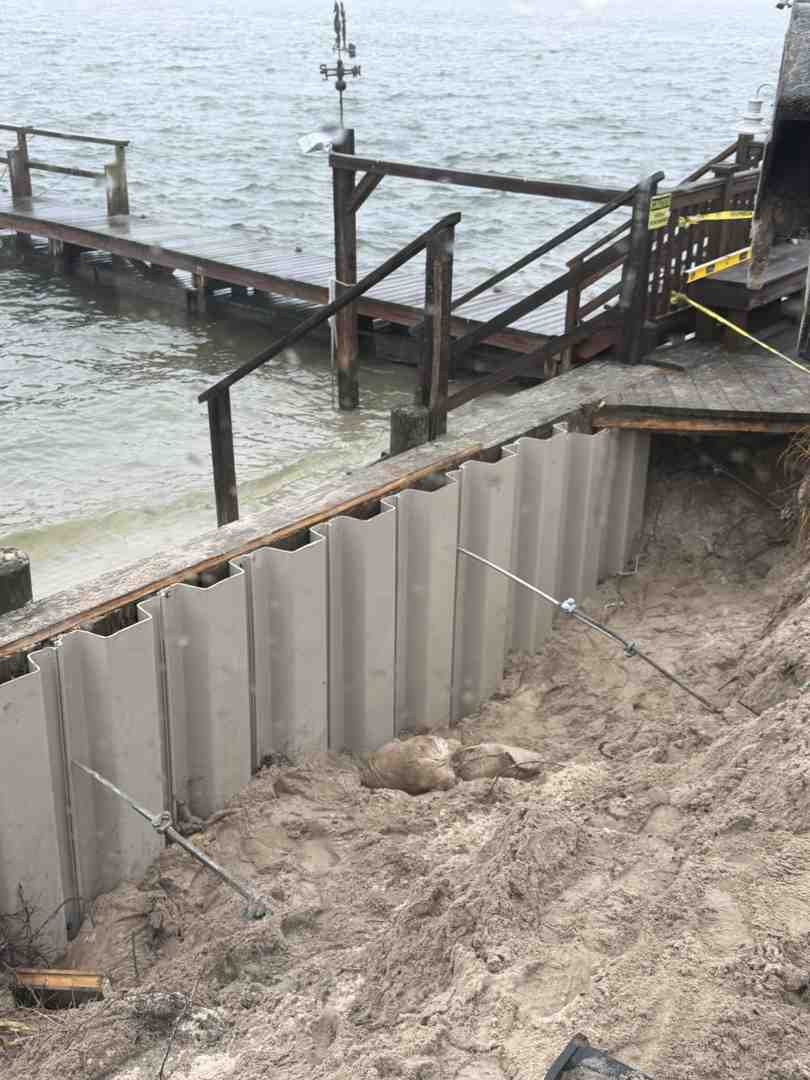
Why Aging Long Island Seawalls Are Failing — And What Actually Fixes Them
Polyurethane seawall repair is a non-invasive method of injecting expanding foam into the soil behind a failing seawall to fill voids, stabilize eroding ground, and seal leaks — without excavation or full replacement.
Here's what you need to know at a glance:
- What it fixes: Soil voids, erosion, leaking joints, and hydrostatic pressure buildup behind seawall panels
- How it works: Expanding polyurethane foam is injected through small ports drilled into the seawall, filling cavities and binding loose soil
- Cost: Typically $100–$250 per linear foot, vs. $400–$800+ per linear foot for full replacement
- Time: Most residential jobs are completed in a single day
- Lifespan: Marine-grade polyurethane lasts 30–50+ years in saltwater environments
- Best for: Concrete, vinyl, wood, and steel seawalls that retain structural integrity but have lost soil support behind them
Most Long Island waterfront property owners never think about their seawall — until something goes wrong.
The average US seawall is 40–60 years old. Its design lifespan? 30–50 years. That means a significant portion of the bulkheads and seawalls lining Nassau and Suffolk County shorelines are already living on borrowed time.
The problem usually starts behind the wall, not in it. Every tidal cycle acts like a slow pump. As the tide goes out, water moves back through tiny cracks, joints, and weep holes — and it takes sand and soil with it. Day after day, year after year, the ground behind the seawall quietly hollows out. Voids form. The wall starts to lean. Then one morning, a sinkhole appears where the lawn used to be.
It's a pattern playing out all across Long Island — from the Great South Bay to the Long Island Sound.
According to industry estimates, nearly 15,000 miles of US coastal seawall and bulkhead infrastructure is in some level of decay. That's a lot of shoreline quietly failing beneath the surface.
The good news: if the wall panel itself is still structurally intact, you likely don't need a $40,000–$60,000 replacement. Modern polyurethane injection can restore the ground behind the wall, seal the leaks, and extend your seawall's life by decades — often in a single day and at a fraction of the cost.
This guide covers exactly how that works, what it costs, and when it's the right call for your Long Island property.

Easy polyurethane seawall repair word list:
The Science and Cost of Polyurethane Seawall Repair
At its core, polyurethane seawall repair relies on a highly controlled chemical reaction. When the liquid polymer components are mixed and injected into the ground, they react to form a closed-cell foam. This foam expands up to 25 times its liquid volume, seeking out the path of least resistance.
As it expands, it sweeps through underground voids, pushes out trapped water, and binds loose sandy soil into a solid, watertight mass that is stronger than crystalline bedrock. This entire curing process takes less than 15 to 30 minutes, allowing the soil to regain its full load-bearing capacity almost instantly. Because the foam is closed-cell, it does not absorb water or break down in harsh marine environments, making it a highly durable, permanent solution.
To understand how this modern engineering marvel stacks up against traditional replacement, let's look at the numbers:
| Feature | Polyurethane Injection Repair | Traditional Seawall Replacement |
|---|---|---|
| Average Cost | $100 – $250 per linear foot | $400 – $800+ per linear foot |
| Typical Project Cost | $3,000 – $15,000 | $40,000 – $60,000+ |
| Time to Complete | 1 to 2 days | 2 to 4 weeks |
| Disruption to Property | None (no heavy machinery or digging) | High (excavators destroy lawns, docks, and decks) |
| Lifespan | 30 to 50+ years | 30 to 50 years |
| Environmental Impact | Eco-safe, non-leaching, inert | High carbon footprint, heavy soil disturbance |
For a deeper dive into the engineering standards behind these materials, you can read about the Seawall Repair Strategies Using Polyurethane Grouts to see how these systems perform under extreme tidal pressure.
How Polyurethane Seawall Repair Works to Stop Erosion
When the daily tides rise and fall along Long Island's canals and bays, water moves back and forth through the joints of your bulkhead. During the outgoing tide, this water acts like a vacuum, sucking out the fine sand and soil behind the wall. Over time, this erosion leaves massive, empty pockets beneath your lawn, patio, or dock.
Our polyurethane injection process stops this destructive cycle in two ways:
- Void Filling: The expanding foam targets these hidden subterranean cavities, filling them completely to restore structural support.
- Soil Binding: By permeating the surrounding loose, sandy soil, the resin glues the soil particles together. This turns unstable ground into an erosion-resistant, solid block that tides can no longer wash away.
For a closer look at identifying these hidden problems before they cause a collapse, check out our Seawall Erosion Repair Guide 2026 and read An In-Depth Look at Polyurethane Seawall Repair - Alchatek for more on the mechanics of chemical grouting.
Hydrophobic vs. Hydrophilic Grouts in Marine Environments
Not all polyurethane grouts are created equal. When working in active marine environments, we use two primary types of resins depending on the specific site conditions:
- Hydrophobic Polyurethane Grouts: These resins actively repel water. They require only a tiny amount of moisture to trigger their reaction, expanding rapidly to push water out of the way. Once cured, they form a rigid, closed-cell foam that is completely waterproof and will not shrink. This is our go-to material for stopping high-flow leaks, filling large voids, and stabilizing soil in active tidal zones.
- Hydrophilic Polyurethane Grouts: These resins love water and actually absorb moisture during the reaction. They cure into a flexible, gel-like foam. Because they remain flexible, hydrophilic grouts are ideal for sealing hairline cracks, moving joints, and slow, weeping leaks where the structure experiences slight thermal expansion or contraction.
Choosing the right chemical formulation is critical to ensuring a permanent seal. To learn more about how we target and plug these subterranean water pathways, read our guide on Bulkhead Leak Repair.
Cost Comparison: Foam Injection vs. Traditional Replacement
Let's talk dollars and sense. Replacing a 100-foot bulkhead on Long Island is a massive financial undertaking. Between the cost of new vinyl or timber sheet piling, heavy equipment mobilization, and the destruction of your backyard, a full replacement can easily range from $40,000 to over $60,000.
In contrast, polyurethane seawall repair typically costs between $100 and $250 per linear foot. A standard residential void-filling and stabilization project runs between $3,000 and $15,000.
The savings go far beyond the contract price. Traditional replacement requires bringing heavy excavators into your yard, which means tearing up your custom decking, walkways, and manicured turf. Restoring your landscaping after a seawall replacement can add thousands of dollars to the final bill. Because our injection equipment is completely portable, we can complete the repair with zero excavation, keeping your beautiful waterfront property completely intact. To see the full breakdown of these cost dynamics, read our Seawall Repair Services: Ultimate Guide.
Restoring Long Island Shorelines with Advanced Engineering
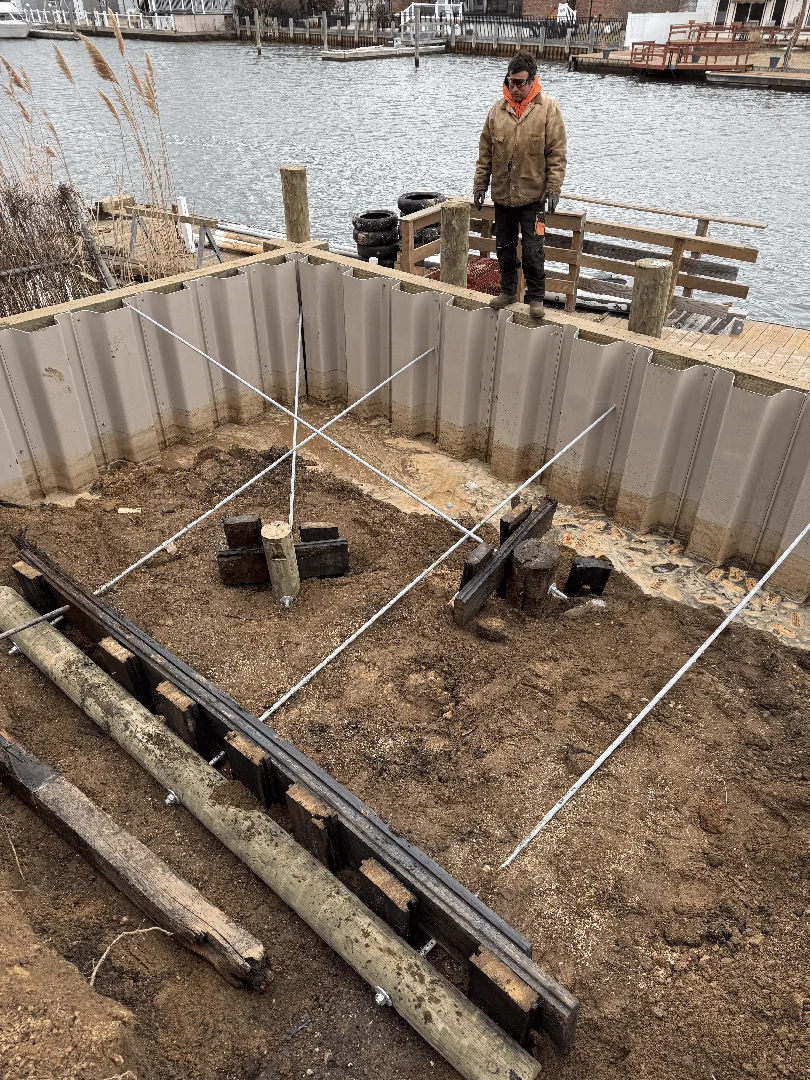
Long Island's unique geography presents distinct challenges for waterfront structures. Whether you are dealing with the high-energy tidal shifts of the Great South Bay in Massapequa, Merrick, Wantagh, and Bellmore, or the deep, tidal currents of the North Shore in Huntington, Lloyd Harbor, and Cold Spring Harbor, your bulkhead is constantly under siege.
At Pearce Marine Construction, we bring generations of local marine engineering expertise to every project we touch. From the canal-front homes of Babylon, West Islip, and Bayshore to the estate bulkheads of Southampton and West Hampton, we understand how local soil compositions and tidal forces interact with your shoreline defenses. We don't believe in quick cosmetic patches; we deliver meticulous, permanent engineering solutions. To learn more about our comprehensive shoreline work, visit our Shoreline Protection Services page.
Step-by-Step Polyurethane Seawall Repair Process
We execute every repair with surgical precision. Here is exactly how we restore your seawall's foundation:

- Void Detection: We map the subsurface of your property using specialized soil probes to locate the exact boundaries, depths, and volumes of the hidden underground voids.
- Port Drilling: We drill small, unobtrusive 5/8-inch injection ports through the concrete cap, panels, or soil behind the bulkhead.
- Foam Injection: Using calibrated, high-pressure equipment, we inject our marine-grade, eco-safe polyurethane resin deep into the targeted zones.
- Pressure Monitoring: We closely monitor back-pressure and structural alignment in real-time, ensuring the voids are completely filled and the soil is compacted without placing undue stress on the wall panels.
- Port Plugging: Once the injection is complete and the foam has cured, we seal the ports with marine-grade stainless steel fittings or color-matched concrete plugs, leaving virtually no trace of our work.
To see this process in action, read our detailed breakdown on how to Repair Seawall Erosion.
Soil Stabilization and Hydrostatic Pressure Relief
While filling voids and sealing leaks is crucial, we must also address the primary driver of seawall failure: hydrostatic pressure.
When heavy rain falls or high tides recede, water gets trapped behind the seawall. If this water cannot escape, it builds up immense pressure behind the panels, pushing the wall outward and causing it to bow, crack, or tilt.
To prevent this, our stabilization process always incorporates a pressure-relief strategy. As we inject polyurethane to seal joint leaks and solidify the soil, we simultaneously install filtered weep drains. These specialized drains allow trapped groundwater to escape harmlessly into the bay while keeping our newly stabilized, compacted soil safely locked in place. This dual approach ensures your wall remains perfectly balanced and stress-free. For more on managing structural cracking caused by water pressure, read our guide on Seawall Crack Repair.
Structural Limitations and When Replacement is Required
As much as we love the magic of polyurethane, we are honest craftsmen first. Polyurethane foam injection is an incredible tool for soil stabilization, void filling, and leak sealing, but it cannot restore a seawall that has completely failed structurally.
If your bulkhead has severely rotted timber sheets, rusted-through steel panels, or concrete panels that have completely fractured and collapsed into the water, injection will not save it. In these advanced stages of decay, a full bulkhead replacement is the only safe and viable option.
However, if your vinyl, timber, or concrete bulkhead is still straight and structurally sound, but you are noticing sinkholes, settling pavers, or soil washing out from behind it, you are the perfect candidate for polyurethane restoration. Catching these warning signs early will save you tens of thousands of dollars. To learn more about identifying the exact threshold between repair and replacement, check out the resources provided by Seawall Repair with Polyurethane - East Coast Poly Solutions.
Protect Your Shoreline Investment Today
Your seawall is the only thing standing between your valuable Long Island property and the relentless forces of the water. Don't wait for a minor sinkhole to turn into a catastrophic backyard collapse.
At Pearce Marine Construction, we combine generational craftsmanship with cutting-edge polyurethane technology to keep your shoreline rock-solid for decades to come. Whether you are in Brightwaters, Babylon, West Islip, or Southampton, our team is ready to inspect your bulkhead and provide a precise, permanent solution. Contact us today to secure your waterfront investment.



Bring Your Vision to Life
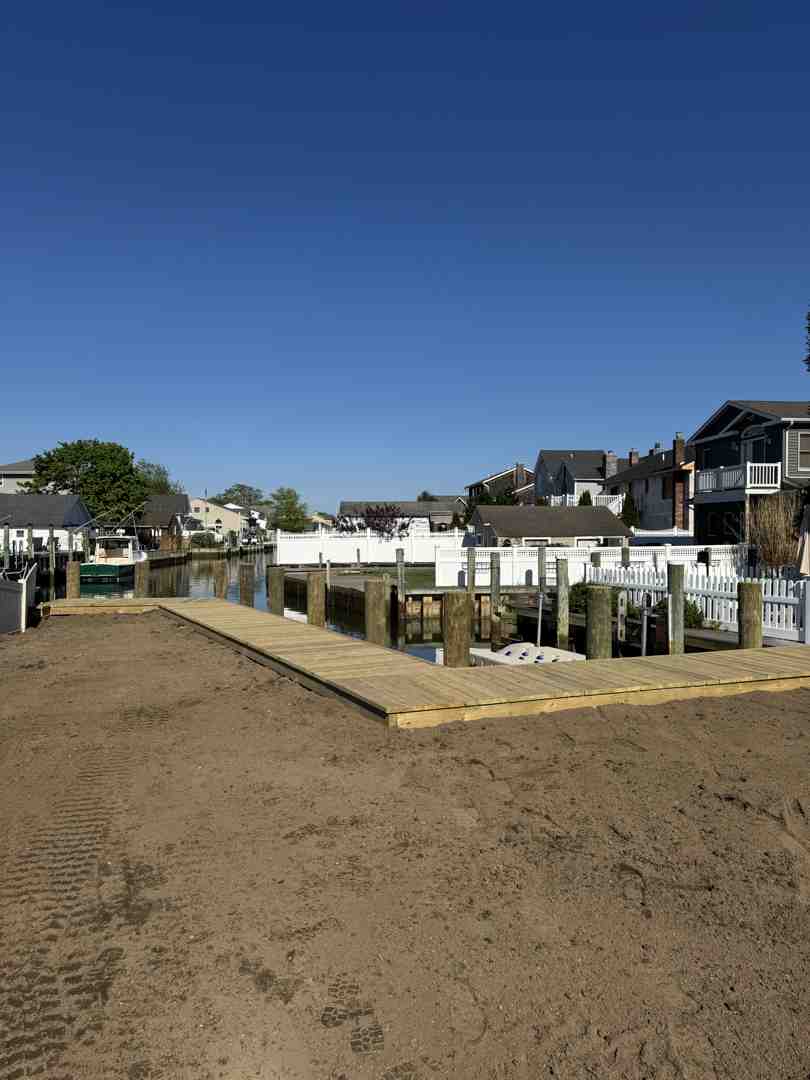
Whether you're planning a custom dock, seawall, or boat lift, our experienced team is ready to deliver high-quality marine construction tailored to your needs. Pearce Marine Construction brings craftsmanship, precision, and a deep understanding of Florida’s waterways to every project. Let us help you create a durable, beautiful solution that stands the test of time. Get in touch now for a personalized estimate!