
Screw Pier Installation Explained for Your Next Project

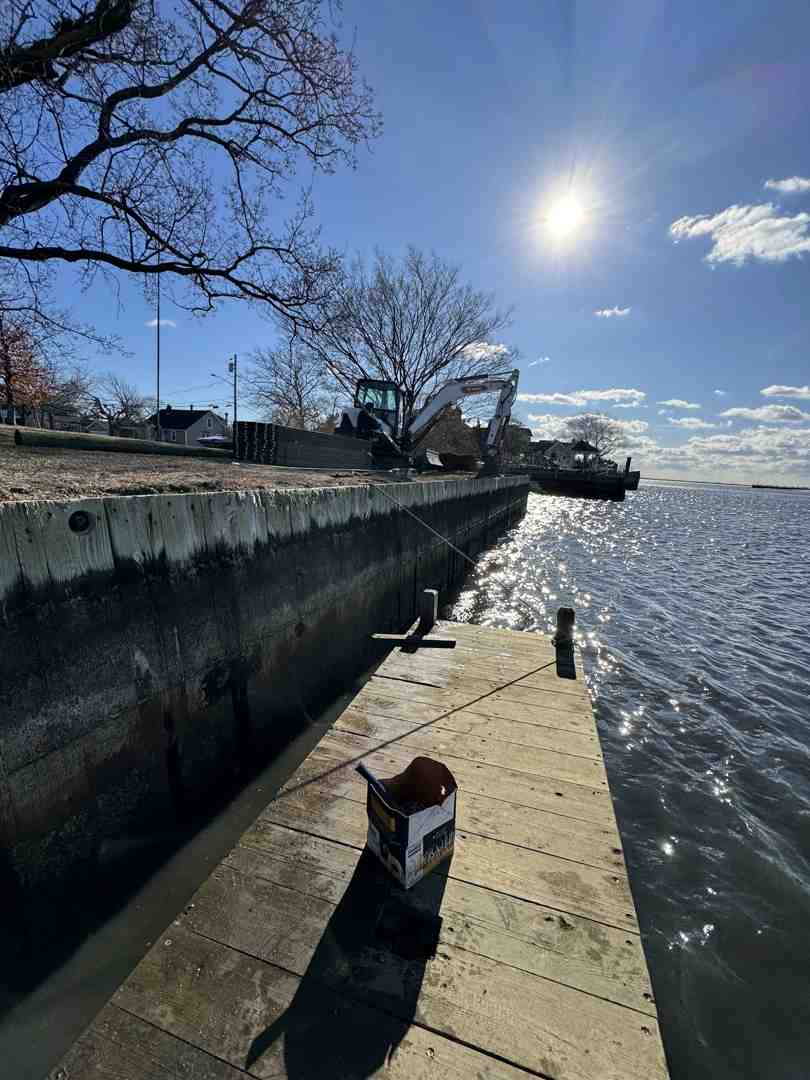
Professional Screw Pier Installation Services on Long Island
Screw pier installation is a highly specialized marine construction process of driving helical steel shafts into the ground using a hydraulic torque motor until they reach firm, load-bearing soil. This provides marine structures with an immediate, engineered foundation without the need for extensive excavation or concrete curing.
At Pearce Marine Construction, our professional installation process follows strict engineering standards:
- Plan — Our structural engineers review local coastal soil conditions and calculate precise load requirements, pier spacing, and target depth.
- Position — The heavy-duty lead section (featuring welded helix plates) is aligned precisely at the designated installation point.
- Advance — A high-torque hydraulic drive rotates the steel shaft into the ground while installation torque is monitored in real time.
- Verify — Final torque readings confirm the pier has reached its design load capacity in the deep bearing strata.
- Connect — A heavy-duty steel bracket or cap is attached to transfer the structural load of the dock, bulkhead, or pier.
- Build — Marine construction can begin immediately—eliminating the curing time associated with traditional concrete.
For Long Island property owners in Nassau and Suffolk Counties, this engineered approach is essential. Coastal soils here—sandy, saturated, and highly unstable—make traditional concrete footings unreliable. Our professional screw pier installations reach the stable layers below, ensuring your marine infrastructure remains secure even after severe coastal storms.
Helical piers are the premier solution for marine structures like commercial docks, residential bulkheads, and custom piers where challenging soil conditions make conventional foundations impractical.

Explore our specialized marine foundation services and resources:
The Step-by-Step Screw Pier Installation Process
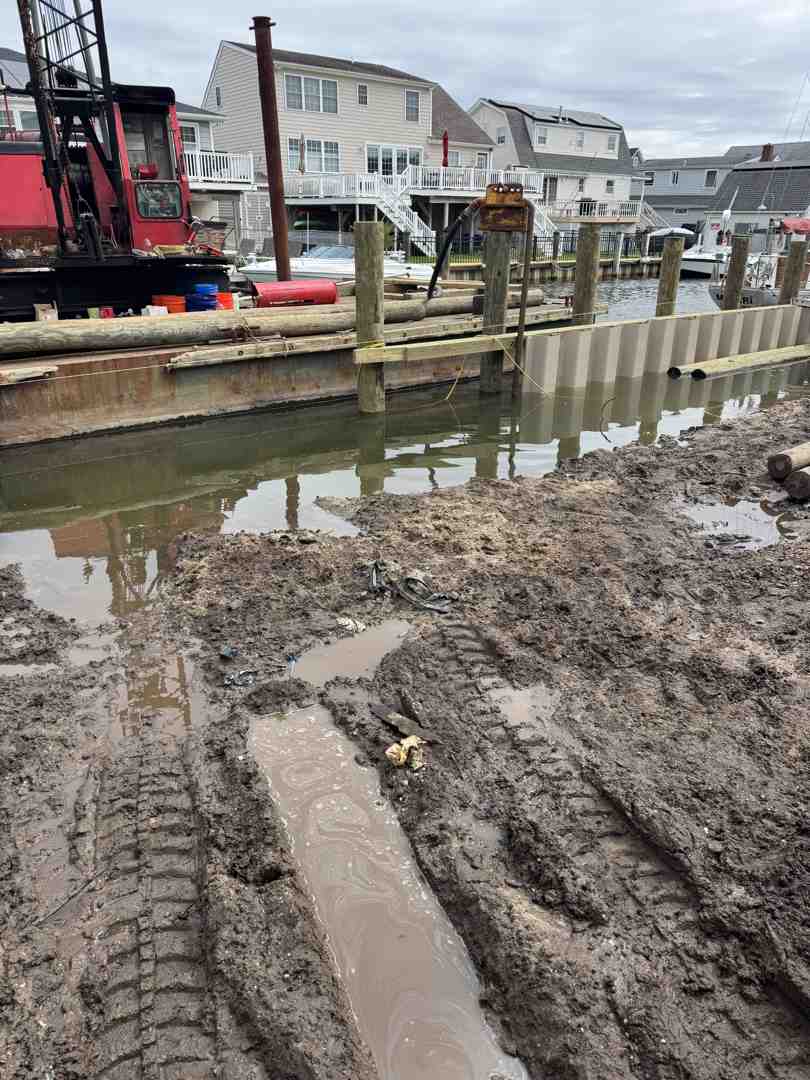
The success of a deep marine foundation system relies entirely on a systematic, engineering-led installation process. Unlike traditional pile driving, which relies on heavy impact hammers that cause massive vibrations, professional screw pier installation uses rotational force to thread steel shafts into the ground. This minimizes soil disturbance and eliminates the risk of structural vibration damage to adjacent waterfront properties.
Here is the exact step-by-step process we follow to ensure your marine foundation stands strong for decades.
Engineering and Planning for Screw Pier Installation
Every successful installation begins long before any machinery arrives on site. In waterfront communities like Southampton and West Hampton, soil conditions can vary drastically within just a few yards. We begin with a comprehensive geotechnical investigation and a review of professional soil reports.
An engineer analyzes the subsurface layers to determine the soil's bearing capacity. This data dictates:
- The required structural load capacity (including compression, uplift, and lateral forces).
- The specific helix plate configuration (diameter, thickness, and pitch).
- The estimated pile depth and spacing required to support the marine structure.
For most waterfront marine structures, piers are spaced approximately 6 to 8 feet apart to distribute the load evenly. To understand how these engineering designs are tailored to local geology, refer to our comprehensive Helical Piles Long Island Guide. Proper planning ensures that the piers bypass loose near-surface soils and anchor securely into deep, load-bearing strata.
Advancing the Shaft and Torque Monitoring
Once the site layout is verified and utility clearances are completed, the physical installation begins. We use compact, high-torque hydraulic drive heads attached to tracked excavators. This specialized machinery allows us to access tight waterfront spaces in communities like West Islip and Bellmore without damaging existing lawns or seawalls.
- Positioning the Lead Section: The lead section, which features the welded helix plates, is positioned precisely over the layout marker.
- Driving the Pier: The hydraulic drive head rotates the shaft into the soil. The pitch of the helix plates (typically 3 inches) advances the pier 3 inches per revolution, minimizing soil disruption.
- Adding Extension Shafts: As the lead section disappears beneath the surface, additional extension shafts are connected using high-strength bolts or advanced connection systems.
- Continuous Torque Monitoring: Throughout the entire advancement, we monitor the installation torque in real time.
Torque monitoring is critical because the resistance the pier encounters directly correlates to the soil's load-bearing capacity. We record these values at regular depth intervals, ensuring the pier achieves the required engineering specifications. Learn more about these best practices in our detailed article on Helical Piles Installation.
Load Capacity Verification and Structural Connection
The defining advantage of screw pier installation is the ability to verify the load capacity of each individual pier during installation. This is achieved using a torque-to-capacity correlation factor ($K_t$). The relationship is defined by a simple engineering formula:
$$\text{Ultimate Capacity} = \text{Installation Torque} \times K_t$$
By verifying that the final torque reading meets or exceeds the engineer's design requirements over the final leg of advancement, we guarantee the pier's capacity.
Once the target torque and depth are reached, the installation is completed through the following steps:
- Cutting to Elevation: The steel shaft is cut cleanly to the exact design elevation.
- Installing the Bracket: A heavy-duty steel cap or remedial bracket is welded or bolted to the top of the shaft.
- Immediate Loading: Because no concrete is poured and no curing is required, we can immediately integrate the pier into the superstructure (such as a dock, bulkhead, or custom marine deck).
This immediate load-bearing capability significantly reduces project timelines, allowing marine construction to proceed without the costly delays associated with traditional concrete footings. For a deeper look at these mechanics, read our Helical Pile Foundation Complete Guide.
Comparing Square Shaft vs. Round Shaft Helical Piers
Choosing the right shaft geometry is critical to the performance of your marine foundation. Helical piers are primarily manufactured in two profiles: square shaft and round shaft. Each serves a distinct engineering purpose.
| Feature | Square Shaft Helical Piers | Round Shaft Helical Piers |
|---|---|---|
| Primary Load Type | Tension (Uplift) | Compression & Lateral |
| Typical Size Range | 1-1/4" to 2" solid steel | 2-7/8" to 12-3/4" hollow pipe |
| Material Strength | Higher yield and tensile strength | Superior structural rigidity |
| Soil Displacement | Minimal displacement | Displaces soil laterally, compacting it |
| Best Marine Use Case | Tiebacks for bulkheads & retaining walls | Vertical load support for docks & piers |
Square shafts are solid steel and offer exceptional tensile strength. This makes them the ideal choice for tension applications, such as tieback anchors used to stabilize bulkheads against lateral soil pressure.
Conversely, round shafts are hollow steel pipes that provide superior lateral stability and structural rigidity. They are highly resistant to bending forces, making them the industry standard for compression applications, such as supporting the vertical weight of a heavy custom marine deck or pier. For a complete breakdown of these specifications, check out our Helical Piles Complete Guide.
Performance in Challenging Long Island Coastal Soils

Long Island’s shoreline properties — from Massapequa and Merrick to Brightwaters and West Hampton — present some of the most challenging foundation environments in the country. Our soils are characterized by:
- High Water Tables: Saturated soils that weaken shallow concrete footings.
- Expansive Clays: Soil layers that swell and shrink with moisture changes, causing traditional foundations to shift.
- Shifting Sands: Loose coastal sands that offer very little surface bearing capacity.
- Frost Zones: Freezing winter temperatures that cause frost heave, lifting unanchored structures.
Screw piers excel in these conditions. By bypassing the active, unstable surface soils and anchoring deep into stable sand or bedrock (often at depths of 15 to 30 feet, and up to 100 feet if necessary), they provide unparalleled stability.
Furthermore, the steel construction and deep anchorage of helical piers offer exceptional storm resistance, securing your docks and bulkheads against the intense wave action and storm surges of coastal Nor'easters. To learn more about how we design foundations for these demanding environments, read our Marine Piling Installation Complete Guide.
Selecting a Certified Contractor for Screw Pier Installation
Because a deep foundation is the most critical element of your marine structure, selecting a certified, experienced contractor is paramount. On Long Island, where environmental regulations are strict and coastal conditions are unforgiving, general contractors often lack the specialized machinery and engineering expertise required for deep foundation work.
When evaluating marine contractors in Nassau and Suffolk Counties, ensure they meet the following standards:
- Certified Equipment: Installers must use calibrated hydraulic drive heads with digital torque monitoring systems to provide verifiable torque logs.
- Engineering Integration: The contractor must work closely with structural engineers to ensure all installations meet ICC-ES (International Code Council Evaluation Service) standards.
- Local Coastal Expertise: A contractor who understands the local geology of areas like Cold Spring Harbor, Huntington, and Lloyd Harbor will select the correct pier configurations and installation depths.
Working with certified professionals guarantees that your foundation is code-compliant, structurally sound, and backed by accurate installation logs. For more information on finding qualified professionals, read about our Certified Helical Pile Installers.
Conclusion: Meticulous Screw Pier Installation in Nassau and Suffolk Counties
A marine foundation is only as strong as the engineering and craftsmanship behind its installation. In Nassau and Suffolk Counties, where harsh tides, shifting sands, and coastal storms constantly challenge waterfront structures, a generic foundation simply won't suffice. Choosing screw pier installation ensures your project is built on a permanent, storm-resistant foundation designed to last for over 80 years.
At Pearce Marine Construction, we bring generational expertise, meticulous craftsmanship, and state-of-the-art equipment to every project we undertake. As a premier woman-owned marine construction company serving Long Island communities from Massapequa and Merrick to Bayshore and the Hamptons, we specialize in building bulkheads, docks, custom decking, and shoreline protection systems that stand the test of time.
We don't cut corners. From our initial geotechnical review to the final torque-verified connection, we ensure your marine infrastructure is engineered for maximum durability. Ready to secure your waterfront investment with superior deep foundations? Visit our Pearce Marine Construction Services page to schedule your site consultation today.


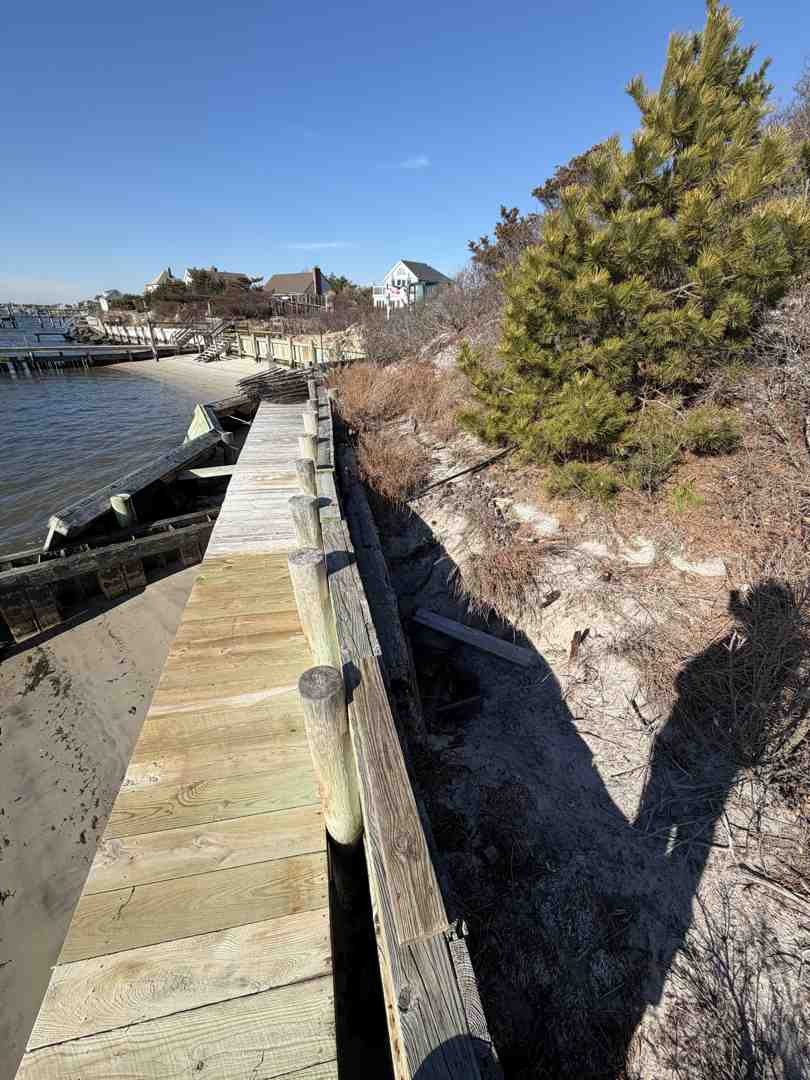

Bring Your Vision to Life
Whether you're planning a custom dock, seawall, or boat lift, our experienced team is ready to deliver high-quality marine construction tailored to your needs. Pearce Marine Construction brings craftsmanship, precision, and a deep understanding of Florida’s waterways to every project. Let us help you create a durable, beautiful solution that stands the test of time. Get in touch now for a personalized estimate!