
Retaining Wall Removal Cost: Breaking Down the Price of Breaking It Down

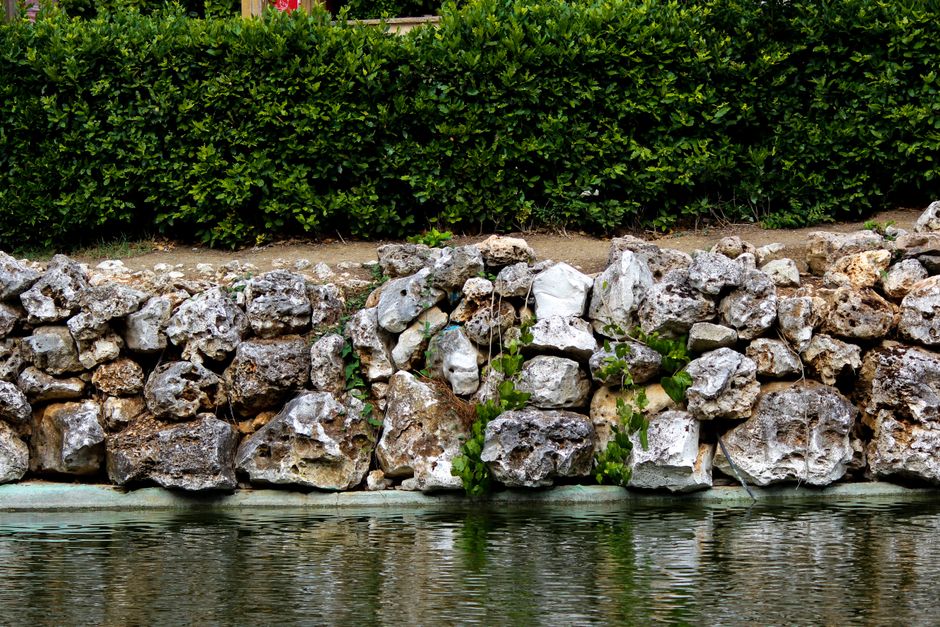
What Does Shoreline Retaining Wall Removal Cost?
For waterfront properties across Long Island, retaining wall removal cost typically ranges from $1,000 to $8,000 for standard residential shoreline barriers, depending on the marine-grade materials, wall height, and tidal accessibility.
As a specialized marine construction service, removing a failing seawall or shoreline retaining wall requires heavy machinery, marine-grade engineering, and precise execution to prevent immediate coastal erosion.
| Marine Wall Material | Cost Per Linear Foot |
|---|---|
| Marine Timber / Wood | $10 – $20 |
| Railroad Tie / Shoreline Wood | $15 – $30 |
| Concrete Block / Gravity Wall | $20 – $40 |
| Reinforced Concrete Seawall | $35 – $65 |
For a comprehensive marine construction project involving the complete removal and replacement of a failing shoreline barrier, costs typically range from $6,000 to $14,000 on average. Professional marine repairs for minor structural damage generally run between $450 to $950.
On Long Island, waterfront and shoreline retaining walls sit at the higher end of these ranges due to the complexities of tidal conditions, marine-grade construction standards, and the delicate coastal environments of Nassau and Suffolk Counties. If your waterfront wall is bowing, cracking, or showing signs of severe soil erosion, immediate professional intervention is required to prevent a catastrophic collapse that could destabilize your entire shoreline.
This guide outlines the professional marine construction processes, materials, and cost factors involved in shoreline retaining wall removal.

Retaining wall removal cost vocab to learn:
Retaining Wall Removal Cost Factors on Long Island
Demolishing a structural marine barrier is a highly technical process that requires specialized marine construction expertise. On Long Island, the actual retaining wall removal cost depends heavily on coastal variables. Waterfront properties in towns like Massapequa, Merrick, and Wantagh present unique environmental challenges that directly influence the complexity of the demolition.
First and foremost is site accessibility. If our marine construction team can easily maneuver heavy machinery—such as barge-mounted excavators and skid steers—directly to the shoreline, the job proceeds efficiently. However, many waterfront homes in Babylon, Brightwaters, or West Islip feature tight side yards, decorative gates, or steep slopes down to the canal. When land access is limited, we must rely on specialized marine equipment or water-based barges, which increases the overall mobilization and labor cost.
Soil conditions also play a massive role. Long Island’s sandy shoreline soils are notoriously unstable. When we remove a retaining wall, we must plan for immediate soil stabilization and turbidity control to prevent the lawn from sliding into the canal or bay. In every project, we evaluate the load paths and hydrostatic pressure before any physical demolition begins.
Unlike generic land contractors, Pearce Marine Construction understands the delicate balance of South Shore and North Shore geologies. We don't just knock a wall down; we engineer the transition to ensure your shoreline remains perfectly stable throughout the process. Learn more about local design considerations in our guide to Long Island Retaining Walls.
Average Retaining Wall Removal Cost by Material
The material of your existing marine wall dictates the specialized tools we need and the time required to break it down. Timber walls are relatively quick to cut and haul away, while reinforced concrete blocks or poured concrete seawalls require heavy-duty hydraulic breakers, concrete saws, and significant marine expertise.
- Timber / Wood: These are common in older canal bulkheads. However, older timber walls on Long Island are often treated with creosote or other chemical preservatives, requiring specialized hazardous waste disposal, which can adjust the hauling fees.
- Concrete Block: These gravity walls are held together by pins, mortar, or sheer weight. Removing them requires systematic unstacking and heavy lifting to prevent debris from falling into the waterway.
- Poured Concrete & Brick Masonry: These represent the most labor-intensive marine demolition projects. Poured concrete seawalls almost always feature internal steel reinforcement (rebar) and deep concrete footings. Cutting through steel-reinforced concrete at the water's edge requires diamond-blade saws and hydraulic breakers, which increases equipment and labor rates.
To help you budget, we've outlined the typical removal costs by material below:
| Material Type | Average Removal Cost (Per Linear Foot) | Key Cost Drivers |
|---|---|---|
| Timber / Wood | $10 – $20 | Chemical disposal fees, tie-back excavation |
| Railroad Tie | $15 – $30 | Creosote disposal, heavy iron spikes |
| Concrete Block | $20 – $40 | Core-filled rebar, mortar demolition |
| Brick Masonry | $25 – $45 | Manual cleanup, mortar scraping, weight |
| Poured Concrete (with Footings) | $35 – $65 | Heavy machinery, rebar cutting, deep excavation |
For a broader look at regional masonry and hardscape pricing trends, you can review the Retaining Wall Cost Long Island 2026 - Brothers Paving & Masonry guide.
How Wall Height and Length Impact Retaining Wall Removal Cost
It’s simple math: a longer and taller wall means more material to demolish, load, and haul away. However, height increases the retaining wall removal cost exponentially, not linearly.
Once a shoreline retaining wall exceeds 4 feet in height, it holds back a massive structural load of saturated soil. Demolishing a tall wall requires safety shoring and temporary sheet piling to keep the earth from collapsing during the excavation process. We must carefully manage the excavation depth and maintain soil stability at every stage.
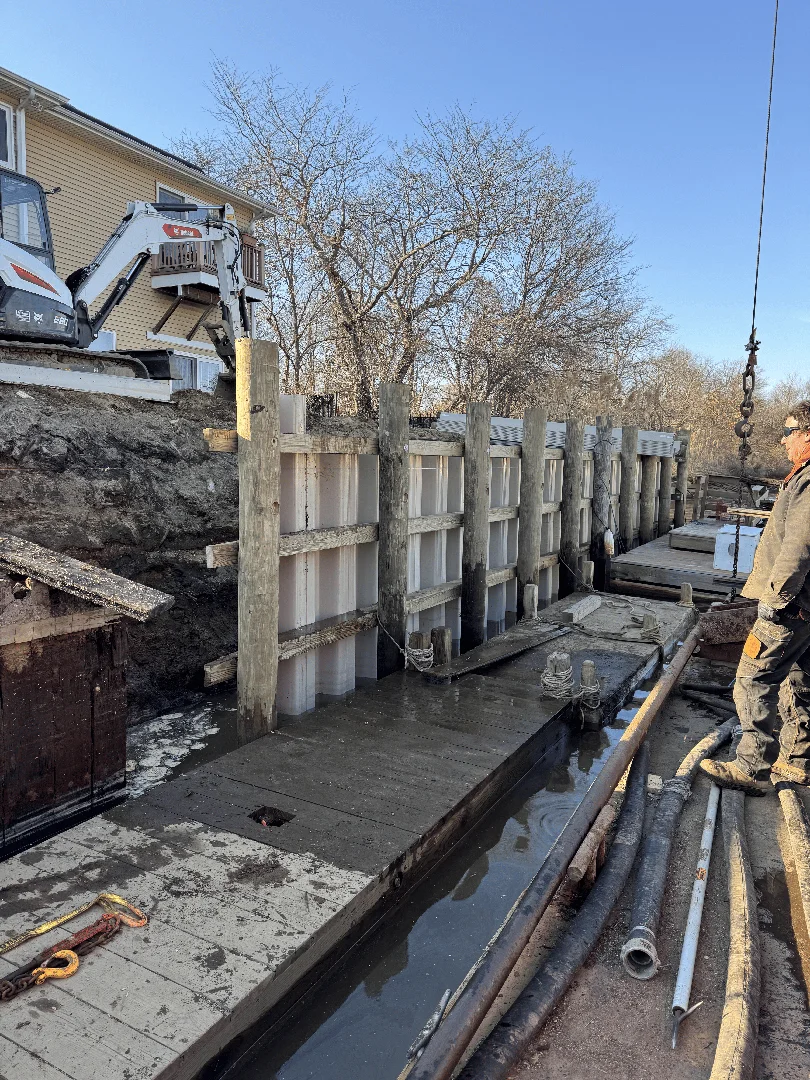
A wall that is 6 feet high requires twice the safety precautions, heavier excavators, and more structural oversight than a 3-foot garden wall. If your project involves a tall structure holding back a steep slope, we coordinate with marine structural engineers to ensure the safety of your property's foundation. For context on what it takes to build these structures back up, check out our resource on the Cost to Build a Retaining Wall.
Structural Demolition, Labor, and Disposal Fees
When you look at a professional estimate for marine wall demolition, the price is broken down into three main categories: labor, machinery, and disposal.
- Labor Rates: Marine demolition is highly skilled, physical work. Our experienced crews operate complex machinery safely around residential structures, utility lines, and water features.
- Equipment Rental & Operation: Heavy machinery like excavators, skid steers, and concrete breakers are essential for a clean, efficient job.
- Debris Hauling & Disposal Fees: Concrete, brick, and treated timber are incredibly heavy. Disposal fees on Long Island are charged by the ton. Concrete recycling facilities charge fees to process clean concrete, while mixed debris or chemically treated wood must go to specialized transfer stations.

While some general wall removal projects in interior spaces can be simpler, as outlined in the Load-Bearing Wall Removal Cost in 2026 guide, exterior structural demolition requires precise site restoration to ensure the area is left clean and structurally sound.
Shoreline and Waterfront Retaining Wall Considerations
Waterfront properties in Southampton, West Hampton, and West Islip require a specialized approach to retaining wall removal. Standard land-based contractors often lack the marine construction expertise required to operate safely at the water's edge.
At Pearce Marine Construction, we specialize in the intersection of land and sea. Waterfront retaining walls, bulkheads, and seawalls must withstand constant tidal erosion, hydrostatic pressure, and wake action from passing boats.
When we remove a failing waterfront wall, we must work in harmony with the tides. If the wall is removed without immediate shoreline protection, high tide can wash away feet of your property in a single cycle. We utilize professional marine-grade shoring, pile driving, and advanced anchoring systems to secure your shoreline during the transition. For a deeper understanding of these specialized shoreline structures, explore our guide on Waterfront Retaining Walls.
Deciding Between Retaining Wall Repair and Complete Replacement
If your shoreline retaining wall is showing signs of age, you might wonder if you can get away with a minor repair rather than paying the full retaining wall removal cost.
Here are the warning signs that indicate your marine wall has reached the end of its lifespan:
- Bowing Blocks or Timbers: When the middle of the wall bulges outward, the tie-backs or internal anchors have failed.
- Soil Washing & Sinkholes: If you notice soil disappearing from behind the wall or sinkholes forming in your lawn, water is piping through cracks and washing away your land.
- Severe Cracking & Crumbling: Minor surface cracks in concrete can be patched, but deep, structural cracks mean the integrity of the wall is compromised.
While minor repairs can occasionally buy you a few seasons, a failing wall will eventually collapse. When a waterfront wall collapses, the cost to recover the lost land, clean the debris out of the waterway, and construct a new barrier is significantly higher than a planned removal and replacement.
As a premier, woman-owned marine construction contractor serving Nassau and Suffolk Counties, we bring generational expertise to every shoreline project. We provide honest, professional assessments to help you make the most cost-effective decision for your property.
Whether you need a complete tear-out or a robust new shoreline barrier, we deliver meticulous craftsmanship that stands the test of time. To plan your next steps, read our comprehensive Retaining Wall Construction Guide or contact us today to discuss our professional Seawalls and Bulkheads Services.



Bring Your Vision to Life
Whether you're planning a custom dock, seawall, or boat lift, our experienced team is ready to deliver high-quality marine construction tailored to your needs. Pearce Marine Construction brings craftsmanship, precision, and a deep understanding of Florida’s waterways to every project. Let us help you create a durable, beautiful solution that stands the test of time. Get in touch now for a personalized estimate!