
Hiring a Storm Damage Specialist Without Getting Soaked

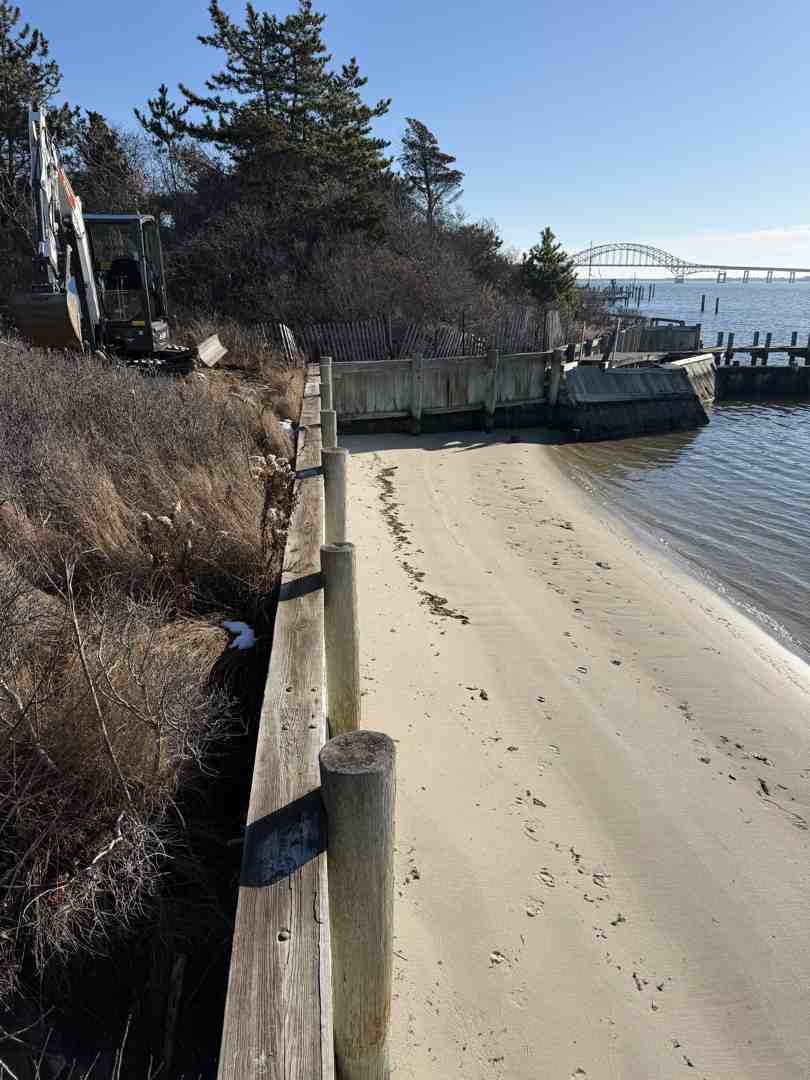
What a Storm Damage Specialist Does — and Why It Matters for Waterfront Properties
A storm damage specialist is a licensed professional who assesses, stabilizes, and restores structures damaged by severe weather — and for waterfront properties on Long Island, that means far more than patching a roof or clearing debris.
If you need a quick answer, here's what to know:
- Who to call: A marine-focused storm damage specialist for bulkheads, seawalls, docks, and piers
- When to call: Immediately after a storm — hidden damage worsens fast with tidal exposure
- What they do: Site assessment, emergency stabilization, structural repair, and insurance documentation
- What to look for: Licensed, insured, experienced with coastal and marine structures in Nassau or Suffolk County
- Why it matters: Coastal storm damage is rarely surface-level — wave action, scour, and soil erosion can compromise a structure's foundation without any visible signs
Nassau and Suffolk County waterfront properties face a unique challenge. When a nor'easter, hurricane, or severe coastal storm hits, the damage doesn't stop at your lawn. Bulkheads crack. Pilings shift. Seawalls erode from below. And if you wait, the next tide makes everything worse.
General contractors aren't trained for this. Marine storm damage is a specialty. The materials, the permitting, the structural engineering — it's a completely different discipline from standard home repair.
That's why finding the right specialist matters so much. A bad hire costs you twice: once for the original repair, and again when it fails.
This guide walks you through exactly what to look for, what to expect, and how to protect your waterfront investment after a storm.
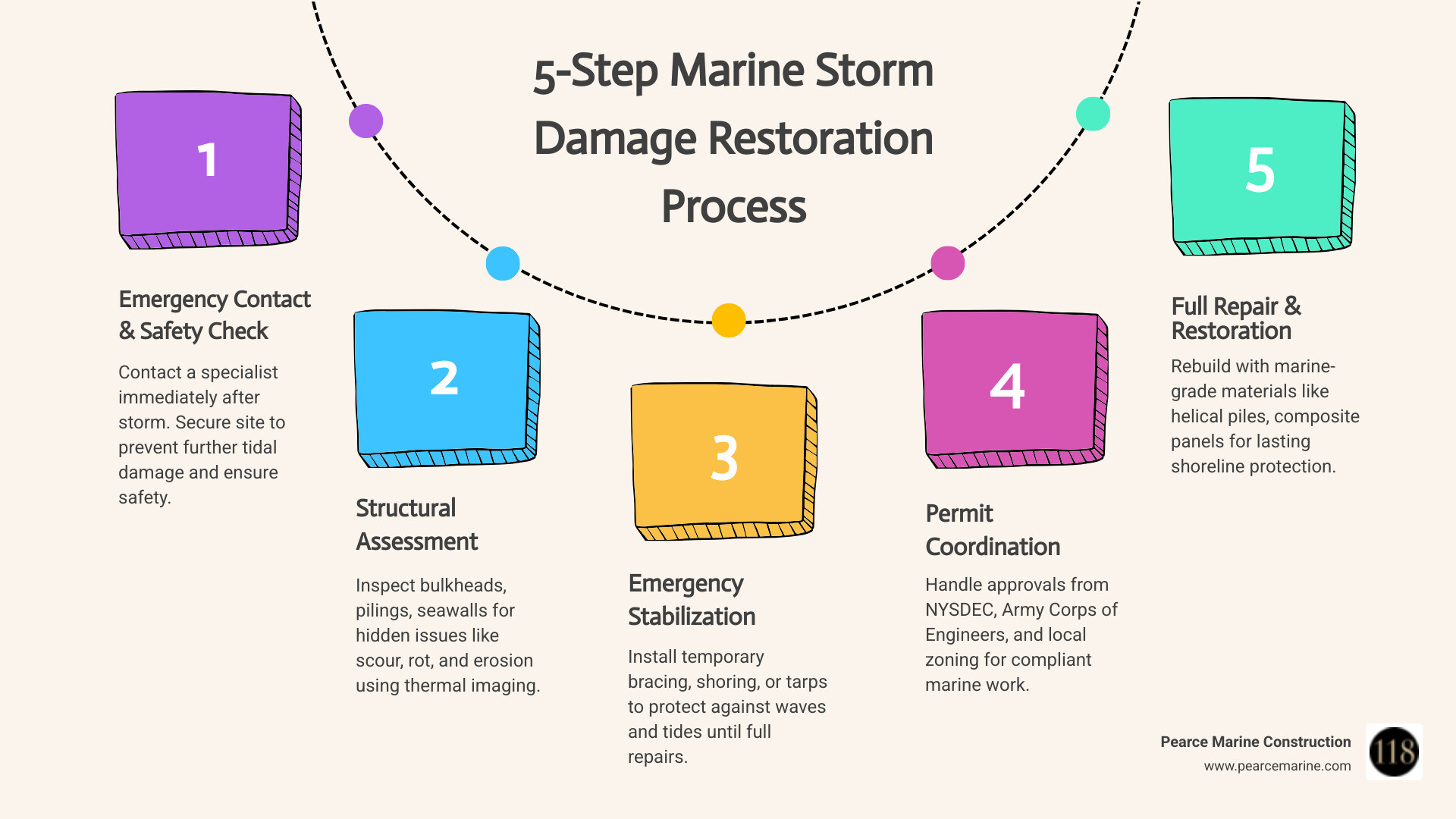
Storm damage specialist terms to learn:
Why You Need a Professional Storm Damage Specialist for Shoreline Repairs
When a massive storm surges through the Great South Bay or batters the North Shore, your waterfront infrastructure takes the brunt of the impact. Attempting to DIY a bulkhead repair or hiring a general "handyman" is a recipe for financial disaster. Marine environments are unforgiving. Unlike a house on solid ground, shoreline structures must contend with constant tidal changes, corrosive saltwater, and the sheer physical force of wave action.
A professional storm damage specialist understands that a leaning piling isn't just an aesthetic issue; it’s a sign of structural failure. Storms cause "scour"—the process where fast-moving water removes the sediment from around the base of your bulkhead or pilings. Without that soil support, the entire system can collapse.
Expert intervention is required because marine construction involves heavy-duty logistics. We utilize specialized pile driving equipment on a barge to reach areas that land-based crews simply can't. Furthermore, professional Storm & Damage Repair Specialists bring the technical knowledge required to differentiate between cosmetic wear and a compromised foundation. If you want to dive deeper into how these forces affect your property, you can find more info about storm damage marine repair to see why specialized expertise is non-negotiable.
Identifying Hidden Issues with a Storm Damage Specialist
The most dangerous damage is the kind you can't see from your deck. While a fallen tree is obvious, "underwater rot" or "piling instability" often hides beneath the waterline. After a major event in Massapequa or Babylon, the soil behind a bulkhead can wash away—a process called piping—leaving a hollow cavern that eventually leads to a sudden sinkhole in your yard.
A qualified storm damage specialist uses advanced techniques to find these ghosts. This includes moisture detection and sometimes thermal imaging to identify where water is infiltrating behind your seawall. They check for "toe failure," where the bottom of the bulkhead has kicked out due to pressure. Identifying these issues early is the difference between a targeted repair and a $100,000 total replacement. Vetted Storm Damage Repair Contractors know that if the anchoring system (the "deadmen") has snapped underground, the wall is a ticking time bomb.
What to Expect from a Marine Storm Damage Specialist
When we arrive on-site after a storm in Merrick or Wantagh, our first priority is a comprehensive site evaluation. You should expect a specialist to do more than just glance at the damage. They will measure the plumb of your pilings, check the tension on your tie-rods, and inspect the mudline for erosion.
In cases of severe flooding or breached bulkheads, we may deploy industrial pumps to manage water levels or use structural shoring to prevent a total collapse while a permanent plan is formed. Debris removal is also a major factor; large timbers or vessels tossed by the storm can act as battering rams against your dock. A specialist coordinates the safe removal of these hazards before they cause further impact damage. For a full breakdown of the maintenance steps involved, you can view more info about repairs and maintenance.
Restoring Bulkheads and Seawalls After Severe Weather
Restoration isn't just about making it look new; it’s about making it stronger than it was before the storm. Modern marine engineering has come a long way. We often replace snapped traditional anchors with helical piles—large steel screws that provide superior pull-out resistance in the sandy soils of Long Island's South Shore.
Whether we are using pressure-treated timber or advanced composite materials, the goal is durability. Composites are particularly popular in areas like West Islip and Bellmore because they don't rot or succumb to marine borers, which often attack weakened wood after a storm. If your shoreline has been compromised, checking out more info about bulkhead repair on Long Island can help you understand the specific materials best suited for our local waters.
The Role of Emergency Stabilization in Marine Restoration
Timing is everything. If your bulkhead is bowing after a nor'easter, you don't have weeks to wait for a permit for a full rebuild. You need emergency stabilization. This involves temporary bracing to hold the wall in place against the pressure of the saturated soil behind it.
| Feature | Temporary Bracing/Stabilization | Permanent Reconstruction |
|---|---|---|
| Primary Goal | Prevent immediate collapse | Restore 30-50 year lifespan |
| Speed | Deployed within 24-48 hours | Requires weeks for permitting/prep |
| Materials | Timber shores, steel cables, tarps | New pilings, sheeting, helical anchors |
| Durability | Short-term (days/weeks) | Long-term (decades) |
| Cost | Lower initial outlay | Significant investment |
Emergency piling replacement or structural framing repairs ensure that your property remains safe while the long-term restoration plan is finalized. Without this step, a secondary storm surge could turn a repairable wall into a pile of rubble.
Navigating Insurance Claims for Coastal Property Damage
One of the most stressful parts of storm recovery is dealing with insurance. Most homeowners' policies are notoriously tricky when it comes to "earth movement" or "water damage" involving bulkheads and docks. This is where a storm damage specialist becomes your best ally.
We provide the detailed documentation required to prove that the damage was a direct result of the storm event and not "long-term neglect." This includes photo evidence of the failure points and "proof-of-loss" statements. Specialists often provide a "comparative estimation"—a detailed breakdown of costs that adjusters use to determine coverage. Having an expert opinion on your side can be the difference between a denied claim and a fully funded restoration. For residents in the eastern towns, more info about bulkhead repair in Suffolk County provides specific insights into local claim challenges.
Choosing the Right Specialist for Long Island Waterfronts
Not all contractors are created equal. When your property in Southampton or West Hampton is on the line, you need a team that knows the local waters, the local soil, and the local building codes. Pearce Marine Construction is a woman-owned company that brings generational expertise to every project. We don't just build docks; we build shoreline protection systems designed to last.
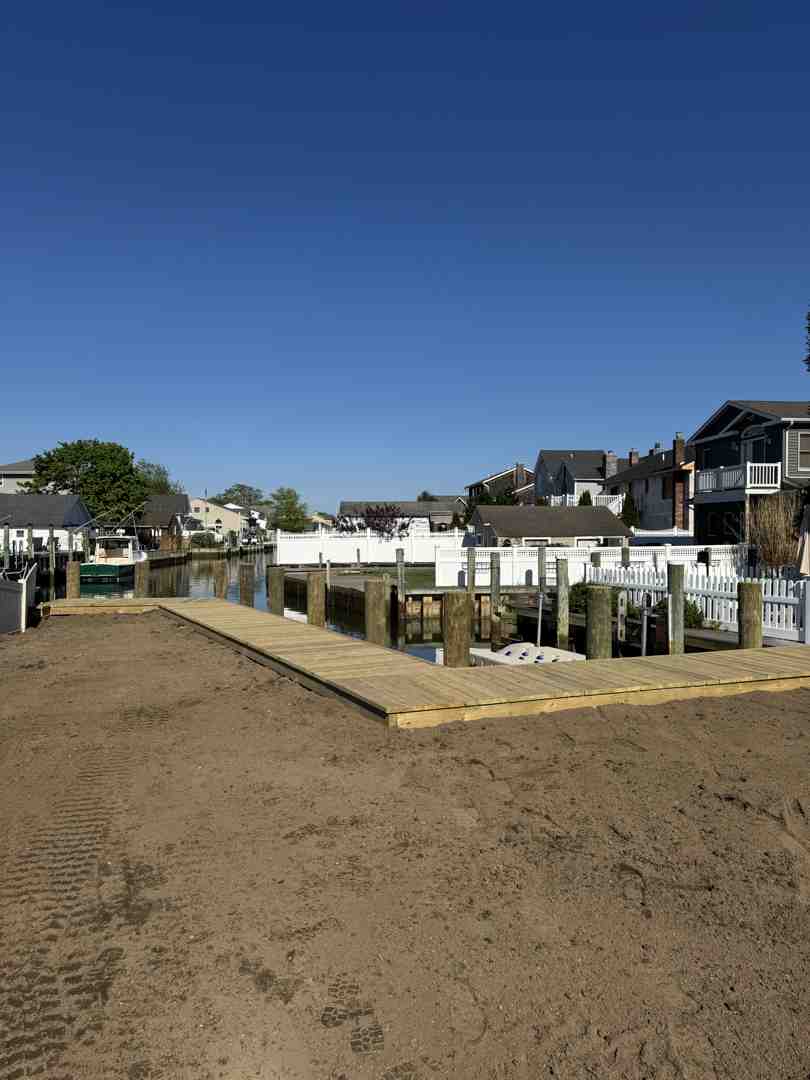
In Nassau and Suffolk County, our reputation is built on meticulous craftsmanship. We understand the nuances of the permitting process with the NYSDEC and the Army Corps of Engineers, ensuring your project is code-compliant and environmentally sound. Whether you are in Brightwaters, Lloyd Harbor, or Cold Spring Harbor, you should look for a specialist who offers a workmanship warranty—ours is a solid 3-year guarantee—to back up their results.
When you're ready to restore your waterfront, don't settle for a "jack of all trades." Hire a dedicated storm damage specialist who lives and breathes marine construction. For a comprehensive look at how we can help, more info about marine construction services is just a click away.
Frequently Asked Questions
How quickly should I contact a storm damage specialist?You should call within 24 hours of the storm subsiding. Even if the damage looks minor, water trapped behind a bulkhead can cause a "blowout" during the next low tide.
What are the signs of hidden bulkhead damage?Look for "sinkholes" or depressions in the soil near the wall, cracked caps, or a noticeable lean in the pilings. If you see "weep holes" leaking soil instead of just water, your filter fabric has failed.
Does insurance cover dock and bulkhead repair?It depends on the policy and the cause. "Wind-driven rain" or "impact" (like a boat hitting your dock) is often covered, while "flooding" or "wave wash" may require a separate flood policy. A specialist can help document the specific cause of failure to assist your claim.
What is the average timeline for marine restoration?Emergency stabilization happens in days. Permanent repairs can take anywhere from a few weeks to several months, depending on the extent of the damage and the time required for NYSDEC permitting.
How can I find a reliable local specialist?Look for companies with a physical presence in Long Island towns like Huntington, Bayshore, or West Islip. Check for specific marine construction licenses and insurance that covers "over-water" work—standard general liability often excludes marine projects.
By choosing a specialist who understands the unique demands of the Long Island coast, you ensure that your "safe haven" remains safe for years to come. Don't let a storm soak your bank account—invest in expert restoration from the start.
For immediate assistance with your shoreline infrastructure, contact us at Pearce Marine Construction. We serve Nassau and Suffolk County with the expertise your property deserves. Hiring a specialist is the first step toward total peace of mind.
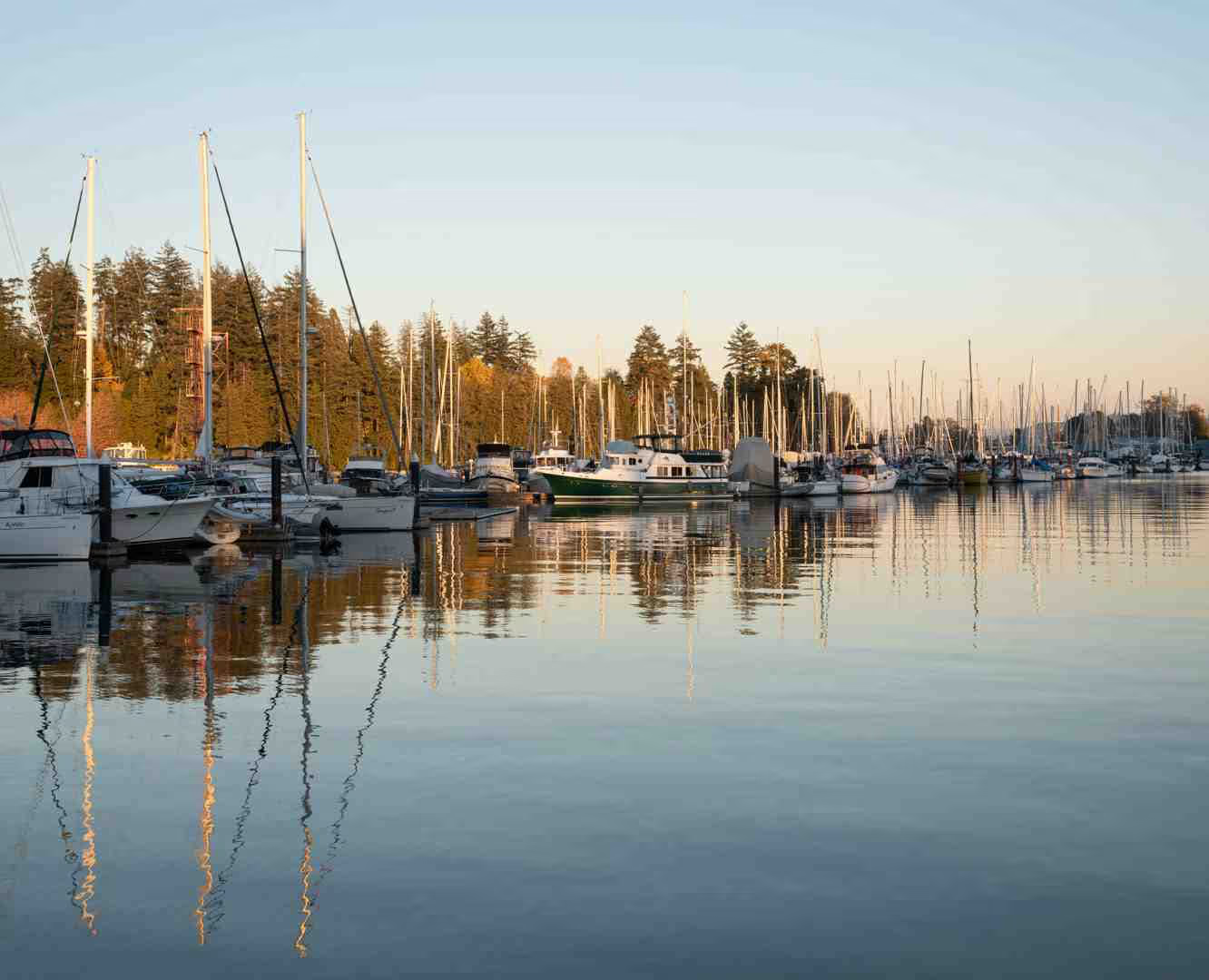



Bring Your Vision to Life
Whether you're planning a custom dock, seawall, or boat lift, our experienced team is ready to deliver high-quality marine construction tailored to your needs. Pearce Marine Construction brings craftsmanship, precision, and a deep understanding of Florida’s waterways to every project. Let us help you create a durable, beautiful solution that stands the test of time. Get in touch now for a personalized estimate!