
From Blueprint to Breakwater: Mastering Seawall Construction


The Foundation of Shoreline Protection: Why and What to Build
For waterfront property owners in Nassau and Suffolk Counties, understanding how to build a seawall is critical. Relentless wave action, storm surge, and tidal forces constantly threaten properties in Southampton, West Islip, West Hampton, and other Long Island communities, leading to land loss, flooding, and structural damage. A professionally engineered seawall is the primary defense against these forces.
The construction process is complex and demands marine engineering expertise. A properly built seawall can last 30-50 years, while poor construction leads to costly failures. Here’s a summary of the professional process:
| Phase | Key Steps |
|---|---|
| Planning & Design | Site assessment, soil testing, wave analysis, and professional engineering design |
| Foundation Work | Pilings driven deep into the ground, toe protection installed to prevent undermining |
| Structure Installation | Sheet piling (vinyl, steel, or concrete) installed, walers and tieback anchors secured for stability |
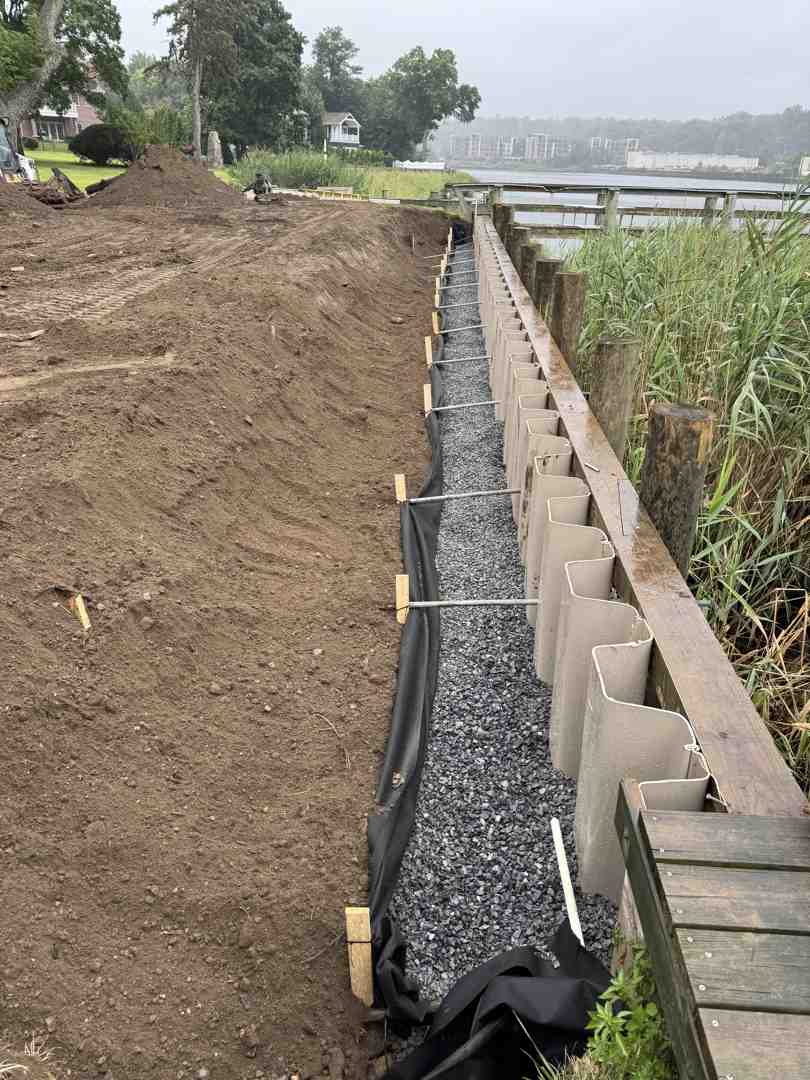
| Finishing | Backfill with gravel and filter fabric, installation of drainage systems (weep holes) and a seawall cap |

Why Build a Seawall? Key Differences to Know
The primary reasons for building a seawall are erosion control, property protection from wave impact, and flood prevention during storm surges. A well-built seawall also improves property value.
While often confused, seawalls, bulkheads, and revetments serve different functions:
- Seawalls: Massive structures engineered to withstand and reflect direct, high-energy wave impact, protecting inland areas.
- Bulkheads: Primarily designed to retain soil and prevent land from sliding, typically used in more sheltered waters.
- Revetments: Sloped structures of rock or concrete that absorb and dissipate wave energy.
Understanding these differences is key to selecting the right shoreline protection for your Long Island property. For more insights, explore our resources on Coastal Erosion Control.
Choosing the Right Seawall Materials
The choice of material dictates your seawall's longevity, cost, and maintenance needs. Our generational expertise helps clients in Babylon, Massapequa, and across Long Island select the optimal solution.
- Concrete Seawalls: The most durable option, lasting 30-50 years. Marine-grade concrete offers superior resistance to extreme wave energy but is the most expensive, typically costing $200–$800 per linear foot. Learn more about Concrete Sea Wall Construction.
- Vinyl Seawalls: A cost-effective and popular choice for residential properties. Vinyl is corrosion-resistant, requires minimal maintenance, and can last up to 40 years. Costs generally range from $150-$250 per linear foot.
- Steel Sheet Piling: Ideal for commercial applications or high-impact areas requiring maximum strength. With corrosion protection, steel can last up to 50 years. Costs typically range from $250 to $500 per linear foot.
- Wood Seawalls: Offers a natural aesthetic but requires significant maintenance to prevent rot and marine borer damage. While the least expensive upfront ($100-$200 per linear foot), long-term maintenance costs can be higher.
The best material depends on your shoreline's wave activity, budget, and desired longevity. Our meticulous craftsmanship ensures any material chosen is installed to the highest standards for a durable defense.
The Professional Process: How to Build a Seawall for Lasting Defense
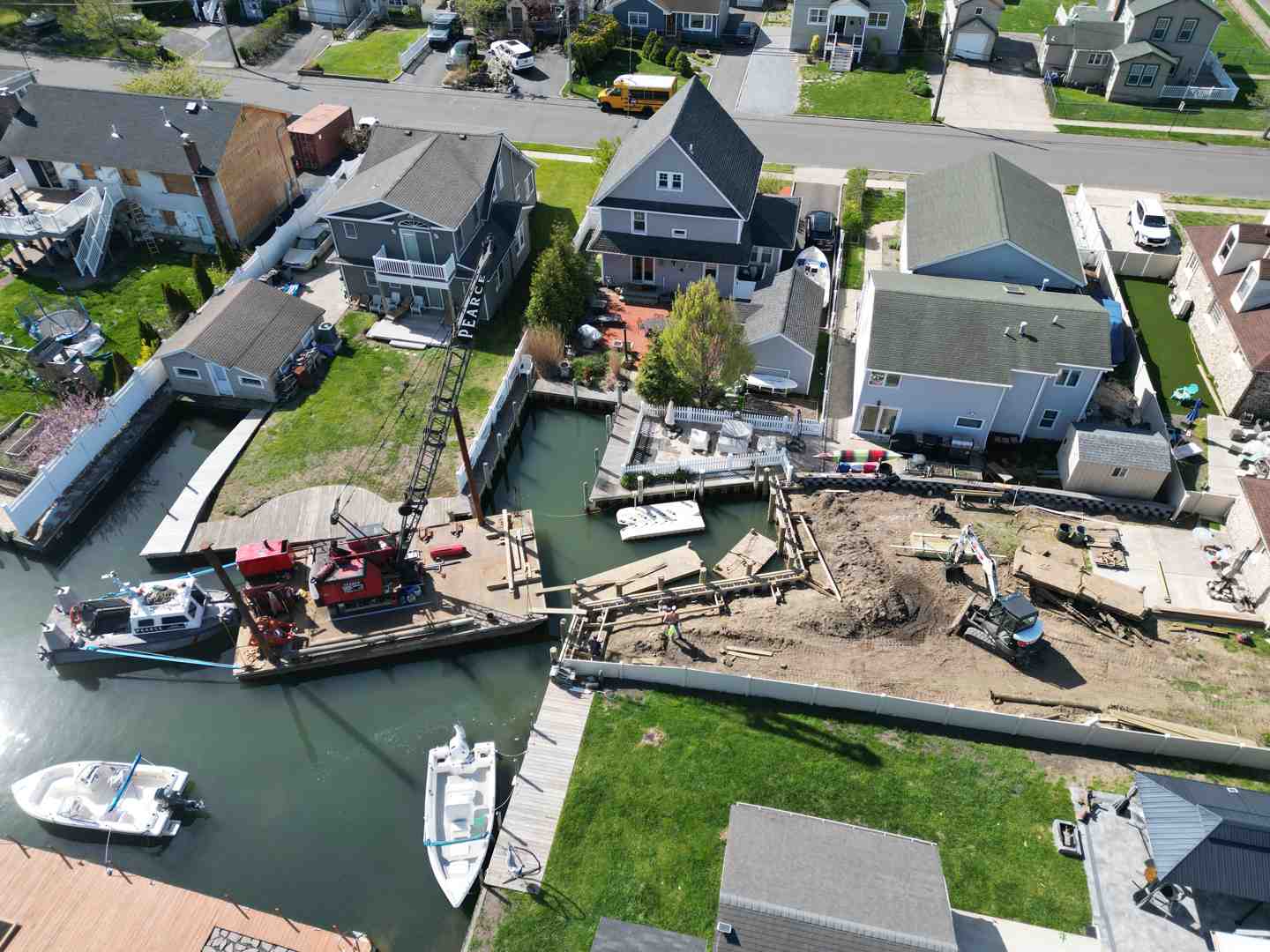
Building a seawall in Long Island, NY, is a methodical, expert-driven process. It’s about engineering a lasting defense against the marine environment. Our team brings generational expertise to every phase, ensuring superior quality for clients in Nassau and Suffolk Counties.
Pre-Construction: Engineering and Design
This preparatory phase is critical for the long-term success of your seawall.
- Site Assessment and Engineering: We conduct a thorough site assessment, including geotechnical surveys to analyze soil conditions and wave force analysis for your specific location, whether in Brightwaters or Cold Spring Harbor. This data informs the engineering design, ensuring the foundation can withstand immense pressure and the wall height is optimized for local water levels.
The Construction Phase: Building the Structure
With the design finalized, our meticulous craftsmanship comes to the forefront during the physical construction. This is how to build a seawall that lasts.
- Foundation and Piling Installation: The foundation is paramount. We drive timber, steel, or composite pilings deep into the ground—often 4 to 6 feet or more, depending on soil conditions—using specialized vibratory hammers. Pilings are typically spaced every 6 to 8 feet to create a robust framework. Our expertise in Marine Pile Installation ensures this crucial step is executed flawlessly, even in challenging locations like Bayshore or Merrick that may require barge access.
- Wall and Support System Installation:
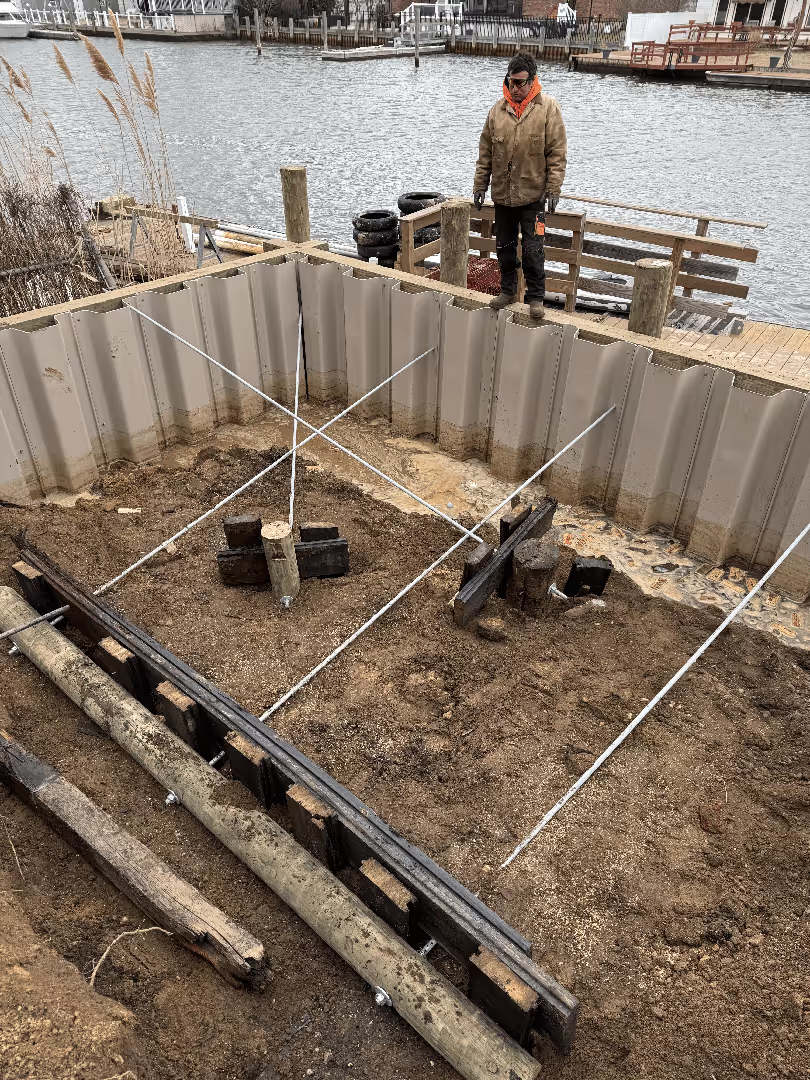
- Sheet Piling: Vinyl or steel sheets are driven into the ground, interlocking to form a continuous, watertight barrier. We use a drive guide to ensure perfect alignment.
- Waler and Tieback System: Horizontal beams (walers) are bolted to the pilings to distribute pressure. A critical component for stability, a tieback system is then installed. This involves anchoring rods 6 to 9 feet behind the wall to a "deadman" anchor buried in stable soil, preventing the wall from bowing or failing under pressure.
Finishing Touches: Backfilling, Drainage, and Capping
The final steps are essential for function and aesthetics.
- Backfilling and Drainage: To prevent hydrostatic pressure (a leading cause of failure), we backfill the area behind the wall with gravel and install a filter fabric. This allows water to drain through weep holes without carrying away soil. This process is vital for long-term stability. For more on this, see our guide to Retaining Walls Suffolk County.
- Seawall Cap: A cap, typically a heavy timber or custom deck board, is installed along the top of the wall. This provides a clean, finished look, protects the top of the pilings, and adds structural integrity, enhancing properties in areas like West Hampton.
Ensuring Longevity: Seawall Maintenance and Expert Solutions
Building a seawall is a significant investment. To maximize its lifespan and ensure your Long Island property remains protected, proper maintenance and timely repairs are essential. Our commitment extends beyond construction to safeguarding your seawall for decades.
Seawall Lifespan and Common Causes of Failure
A well-built seawall can last 25 to 50 years, depending on material, construction quality, and environmental conditions in areas like West Islip or South Hampton. However, several issues can lead to premature failure:
- Erosion at the Base (Toe Scour): Wave action can wash away soil from the seawall's foundation, causing it to collapse.
- Hydrostatic Pressure: Water trapped behind the wall builds pressure, which can cause bowing or failure. Proper drainage is the only prevention.
- Material Degradation: Concrete can crack, steel can corrode, and wood can rot. Marine borers in the Northeast are a particular threat to timber.
- Poor Construction: Inadequate foundations, improper materials, or flawed installation are leading causes of failure, highlighting the need for an experienced marine contractor.
Essential Seawall Maintenance
Proactive maintenance is the key to longevity and preventing costly repairs. We recommend a regular schedule:
- Annual Inspections: Visually inspect the wall, especially after major storms. Look for cracks, leaning, soil loss, or signs of deterioration.
- Prompt Repairs: Address minor issues like small cracks or soil loss immediately before they become major problems.
- Clear Drainage Systems: Ensure weep holes are free of debris to relieve hydrostatic pressure.
- Consider Reinforcement: To achieve the best results, seawalls may need to be refurbished or reinforced every five to six years, especially in high-impact environments.
Impact on Property Value and Insurance
A professionally constructed and maintained seawall is a significant asset for your Long Island property.
- Increased Property Value: Protected waterfront properties are more attractive to buyers and command higher prices. Documentation of maintenance adds significant value.
- Insurance Benefits: A robust seawall reduces the risk of flood-related claims, which can positively impact flood insurance rates.
A seawall is an investment in the security and future of your waterfront property. As a woman-owned marine construction company serving Nassau and Suffolk Counties, Pearce Marine Construction delivers superior quality and lasting results. We bring generational expertise and meticulous craftsmanship to every project.
For expert seawall construction and repair in Nassau and Suffolk counties, contact our team of marine construction specialists today.

_compressed.webp)

Bring Your Vision to Life
Whether you're planning a custom dock, seawall, or boat lift, our experienced team is ready to deliver high-quality marine construction tailored to your needs. Pearce Marine Construction brings craftsmanship, precision, and a deep understanding of Florida’s waterways to every project. Let us help you create a durable, beautiful solution that stands the test of time. Get in touch now for a personalized estimate!