
Don't Let Your Shoreline Wash Away: Effective Coastal Erosion Prevention Strategies

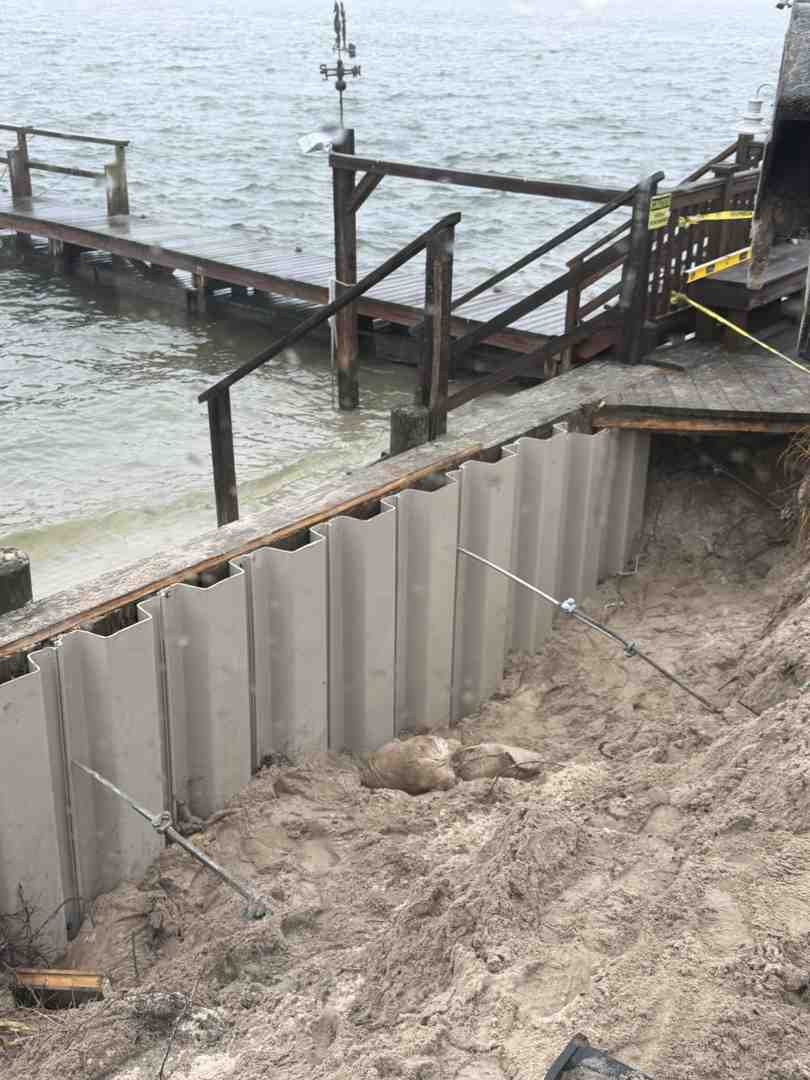
Why Coastal Erosion Prevention is Critical for Long Island Property Owners
Coastal erosion prevention is the use of construction techniques and structural solutions to protect waterfront properties from losing land to wave action, storms, and rising sea levels. For Long Island homeowners and businesses in Nassau and Suffolk Counties, it's not just about preservation—it's about protecting a significant financial investment.
Quick Answer: How to Prevent Coastal Erosion on Long Island
The most effective coastal erosion prevention methods for Long Island properties include:
- Seawalls & Bulkheads - Vertical barriers that stop land loss and protect foundations
- Rock Revetments - Armored slopes that absorb wave energy
- Living Shorelines - Hybrid systems combining natural vegetation with structural support
- Groins & Jetties - Perpendicular structures that trap sediment and reduce wave impact
Each solution requires professional assessment and construction to ensure proper protection.
The combination of powerful Nor'easters, hurricane storm surges, and accelerating sea-level rise means waterfront properties in Southampton, West Islip, West Hampton, and surrounding communities are constantly at risk. The reality is stark: Without professionally installed shoreline protection, properties can lose several feet of land each year. Foundations become compromised, docks and decks fail, and property values plummet.
But here's the critical point: Coastal erosion is preventable with proper marine construction. The key is choosing the right structural solution for your specific property and having it professionally installed by experienced contractors who understand Long Island's unique conditions.
Find more about coastal erosion prevention:
Professional Coastal Erosion Prevention Solutions for Long Island
For waterfront property owners in Nassau and Suffolk Counties, understanding the various coastal erosion prevention methods is the first step toward safeguarding your investment. At Pearce Marine Construction, we specialize in designing and building robust, long-lasting solutions custom to the unique challenges of Long Island's diverse shorelines. Whether your property faces the open ocean in West Hampton or the sheltered bays of Massapequa, a professional site assessment is the critical first step to determine the most effective strategy.
Hard Engineering: Structural Shoreline Protection
Hard engineering solutions involve the construction of rigid, durable structures designed to directly resist the erosive forces of waves, tides, and currents. These methods are often chosen for high-energy environments or where immediate and robust protection is paramount.

- Seawalls and Bulkheads: These are perhaps the most common forms of structural protection on Long Island. A seawall is a robust barrier built parallel to the shoreline, typically designed to withstand significant wave energy and prevent coastal flooding and land loss. Bulkheads serve a similar purpose, primarily to retain soil and prevent the shoreline from sliding, often seen along sheltered waterways in places like Merrick or Bellmore. We construct these vital barriers using a range of durable materials. For instance, concrete sea wall construction offers exceptional strength and longevity, ideal for areas requiring maximum protection. Vinyl seawall construction provides a low-maintenance, corrosion-resistant option, while our expertise in professional wooden bulkhead construction details the traditional and aesthetic appeal of timber, often reinforced for durability. The primary purpose of bulkheads is to keep soil in place and prevent the shoreline from sliding during flooding and wave attack, protecting the land behind them. These structures are crucial for properties where land retention is a top priority.
- Rock Revetments: Also known as rock armor or riprap, a rock revetment involves layering large, interlocking stones along the shoreline. Unlike vertical walls, revetments absorb and dissipate wave energy rather than reflecting it, which can be beneficial in certain environments. They offer excellent durability and require minimal maintenance once installed. We strategically place these stones to create a resilient, natural-looking defense against erosion, often seen protecting bluffs and banks in areas like Huntington or Cold Spring Harbor.
- Groins: These are wall-like structures built perpendicular to the shoreline, extending into the water. Their primary function is to trap sand carried by longshore currents, helping to widen and maintain beaches. While effective on the updrift side, careful design is essential to prevent erosion on the downdrift side.
- Jetties: Similar to groins, jetties are built perpendicular to the shore, often at the mouth of inlets or harbors in places like Babylon or Bayshore. Their main purpose is to stabilize navigation channels and prevent sand from accumulating in them. Like groins, they influence sand movement, and their design must consider potential impacts on adjacent shorelines.
The choice of construction materials and specific design for these hard engineering solutions is critical for their effectiveness and longevity. Our generational expertise ensures that we select and implement the most appropriate materials and techniques, guaranteeing superior durability and long-term protection for your Long Island property.
Soft & Hybrid Engineering: Integrating Nature with Construction
While hard structures provide robust protection, a growing trend in coastal erosion prevention involves softer, more environmentally integrated approaches. These methods aim to work with natural coastal processes, often enhancing ecological benefits while providing necessary protection. On Long Island, we often implement hybrid solutions that combine the best of both worlds.
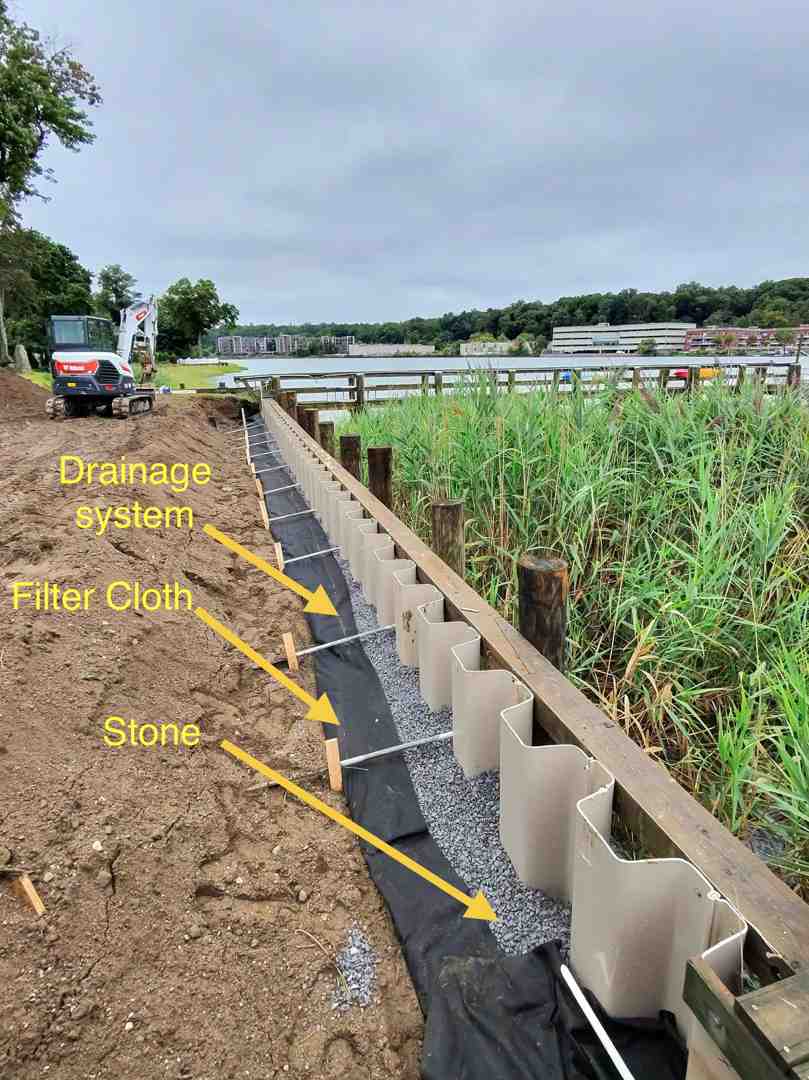
- Living Shorelines: This innovative approach uses natural materials and vegetation, sometimes combined with strategic structural elements, to stabilize shorelines and create habitat. Instead of a hard, impermeable barrier, a living shoreline might feature marsh grasses, oyster reefs, or strategically placed rock sills to reduce wave energy. These systems are particularly suitable for sheltered bays and estuaries found throughout Nassau and Suffolk Counties, offering a resilient, ecologically beneficial design that adapts to changing conditions. They work by absorbing wave energy, trapping sediment, and providing vital habitat for marine life.
- Hybrid Solutions: We often integrate soft and hard engineering elements to create the most effective and aesthetically pleasing solutions. Examples include:
- Integrated Toe Protection: Combining a hard foundation (like rock or concrete) at the base of a bank with softer, vegetative stabilization above. This provides scour protection at the water's edge while allowing for natural revegetation.
- Vegetated Riprap: Incorporating native plants and vegetation within a rock revetment. This improves the ecological value of the structure, helps to bind the soil, and can soften its visual impact.
- Dune Stabilization: While primarily a natural process, we assist in the construction and stabilization of dunes by installing sand fencing and planting native dune grasses. These natural barriers are crucial for protecting inland areas from storm surges and wave overwash, especially along the barrier islands of Long Island.
These shoreline stabilization services offer a balanced approach, providing essential protection while preserving or enhancing the natural beauty and ecological functions of Long Island's coastlines. They are particularly valuable for maintaining connections between land and water ecosystems, promoting long-term resilience.
Choosing the Right Coastal Erosion Prevention Method in Nassau & Suffolk
Selecting the optimal coastal erosion prevention method for your Long Island property is a complex decision, one that requires specialized knowledge and a thorough understanding of local conditions. There's no one-size-fits-all solution; what works for a property in West Hampton might not be suitable for a canal-front home in Massapequa. We pride ourselves on providing expert consultation to ensure the chosen solution is the best fit for your unique needs.
Here are the critical factors we consider during our professional site assessment:
- Wave Energy: This is perhaps the most significant factor. Properties exposed to high-energy waves (e.g., oceanfront in South Hampton) typically require robust hard engineering solutions like seawalls or heavy rock revetments. Sheltered areas (e.g., bays in Babylon or Brightwaters) might benefit more from living shorelines or hybrid approaches.
- Property Type and Use: Are we protecting a residential home, a commercial marina, or public infrastructure? The level of protection needed, aesthetic considerations, and budget often vary significantly.
- Local Requirements & Standards: Marine construction in Nassau and Suffolk Counties must adhere to specific local standards and regulations. Our extensive experience in towns from Southampton to West Islip ensures every project is designed and built in full compliance with all local requirements, avoiding costly delays and ensuring a properly approved structure. Our shoreline protection Long Island guide and erosion control Suffolk County guide offer more insights into these local considerations.
- Soil Conditions and Geology: The type of soil and underlying geology of your shoreline greatly influence the stability and design of any protective structure. Long Island's diverse geology demands site-specific engineering.
- Long-Term Goals & Aesthetics: Do you prioritize maximum protection, ecological improvement, or a balance of both? We work with you to design a custom solution that meets your long-term vision for your waterfront property.
To help illustrate the differences, here's a comparative overview of hard versus hybrid solutions:
| Feature | Hard Engineering (e.g., Seawalls, Bulkheads) | Hybrid/Soft Engineering (e.g., Living Shorelines, Vegetated Riprap) |
|---|---|---|
| Durability | Very High (designed for maximum resistance) | Moderate to High (relies on natural processes, can adapt) |
| Maintenance | Low to Moderate (periodic inspections, potential for repair of cracks/damage) | Moderate to High (vegetation care, sediment management, potential for replanting) |
| Suitability for High-Energy Long Island Shorelines | Excellent (direct resistance to strong waves and surges) | Limited (requires supplemental hard structures for significant wave action) |
| Suitability for Low-Energy Long Island Shorelines | Good (can be over-engineered; can reflect waves causing scour) | Excellent (improves natural processes, provides habitat) |
| Cost (Initial) | Often higher due to materials and construction complexity | Can be lower, especially for vegetation-only solutions; hybrid costs vary |
| Ecological Impact | Can alter natural habitats, block sediment transport, may cause scour | Improves habitat, promotes biodiversity, allows natural sediment movement |
Our expert consultation involves a detailed site assessment, discussions about your specific needs, and a custom design that balances protection, environmental considerations, and your budget. This meticulous approach ensures that your coastal erosion prevention project is not just effective, but also a smart, long-term investment.
Securing Your Waterfront Investment for the Future
Investing in coastal erosion prevention is more than just a repair; it's a strategic move to secure your property and lifestyle for decades to come. On Long Island, where waterfront living is cherished, protecting your shoreline is an investment in your future.
The Impact of Climate Change on Long Island's Shorelines
The challenges of coastal erosion on Long Island are intensifying due to climate change. We're observing more frequent and powerful storms, which bring higher storm surges, more destructive wave action, and accelerating sea-level rise. This exacerbates natural erosion, putting immense pressure on unprotected shorelines. Properties in low-lying coastal areas like Merrick, Wantagh, and West Islip are particularly vulnerable. Proactive investment in robust coastal erosion prevention is no longer optional; it's essential for future-proofing your property and ensuring long-term resilience. This foresight is key to effective coastal flood protection. We help property owners in Nassau and Suffolk Counties anticipate these changes and build structures that can withstand the evolving coastal environment.
The Importance of Professional Construction for Coastal Erosion Prevention
Effective coastal erosion prevention relies heavily on professional construction. Marine construction is an engineering-intensive field, especially when dealing with the dynamic forces of the ocean and bays. The risks of improper installation are substantial. A poorly designed or constructed bulkhead, seawall, or revetment can fail prematurely, leading to structural collapse, accelerated erosion of your property, and even damage to neighboring areas.
This is where local expertise becomes invaluable. Long Island's diverse geology—from the sandy shores of South Hampton to the clay and glacial till of Huntington—demands a contractor who understands these specific conditions. Our team, with its deep roots in Nassau and Suffolk Counties, possesses this crucial local knowledge. We combine meticulous craftsmanship with rigorous marine construction safety protocols and expert marine project management to ensure every project is built to the highest standards, designed to last for generations.
Partner with Long Island's Shoreline Protection Experts
When it comes to protecting your waterfront property from the relentless forces of coastal erosion, you need a partner you can trust. Pearce Marine Construction is a woman-owned marine construction company with generational expertise, proudly serving residential, commercial, and public clients throughout Nassau and Suffolk Counties on Long Island.
Our commitment to meticulous craftsmanship and our deep understanding of Long Island's unique coastal environment set us apart. We don't just build structures; we build peace of mind. Whether you need a new bulkhead, a custom rock revetment, or a thoughtfully designed living shoreline, our team provides custom erosion solutions Long Island property owners can depend on.
We are your local shoreline protection contractors, dedicated to preserving the beauty and integrity of Long Island's shores. Don't wait until erosion has taken its toll. Proactive coastal erosion prevention is the smartest investment you can make for your waterfront property.
Contact us today to discuss your shoreline protection project and experience the Pearce Marine Construction difference.



Bring Your Vision to Life
Whether you're planning a custom dock, seawall, or boat lift, our experienced team is ready to deliver high-quality marine construction tailored to your needs. Pearce Marine Construction brings craftsmanship, precision, and a deep understanding of Florida’s waterways to every project. Let us help you create a durable, beautiful solution that stands the test of time. Get in touch now for a personalized estimate!