
Don't Let Your Land Slip Away with These Erosion Control Measures

Why Erosion Prevention Strategies Matter for Long Island Property Owners
Erosion prevention strategies are the methods used to stop soil and land from being worn away by water, wind, and wave action. For Long Island waterfront properties, the right approach makes the difference between a stable shoreline and a disappearing backyard.
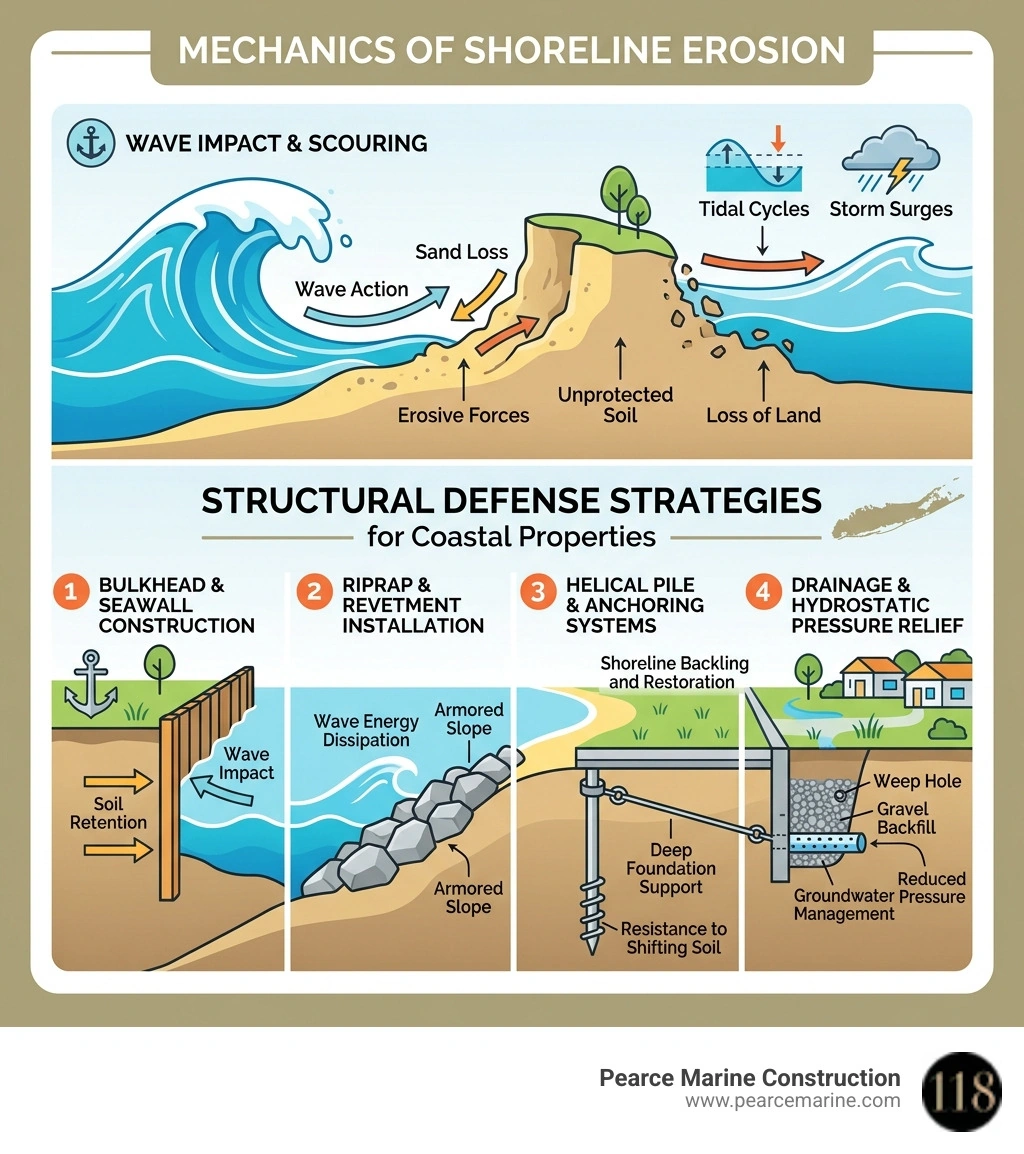
The most effective erosion prevention strategies for coastal properties include:
- Bulkhead and seawall construction - Hard structural barriers that hold the shoreline in place against tidal forces and storm surges
- Riprap and revetment installation - Large stone armoring that absorbs and dissipates wave energy before it reaches the land
- Helical pile and anchoring systems - Deep foundation solutions that resist the shifting sandy soils common on Long Island
- Drainage and hydrostatic pressure relief - Systems that manage water buildup behind retaining structures
- Shoreline backfilling and restoration - Reclaiming lost land and reinforcing it with structural support
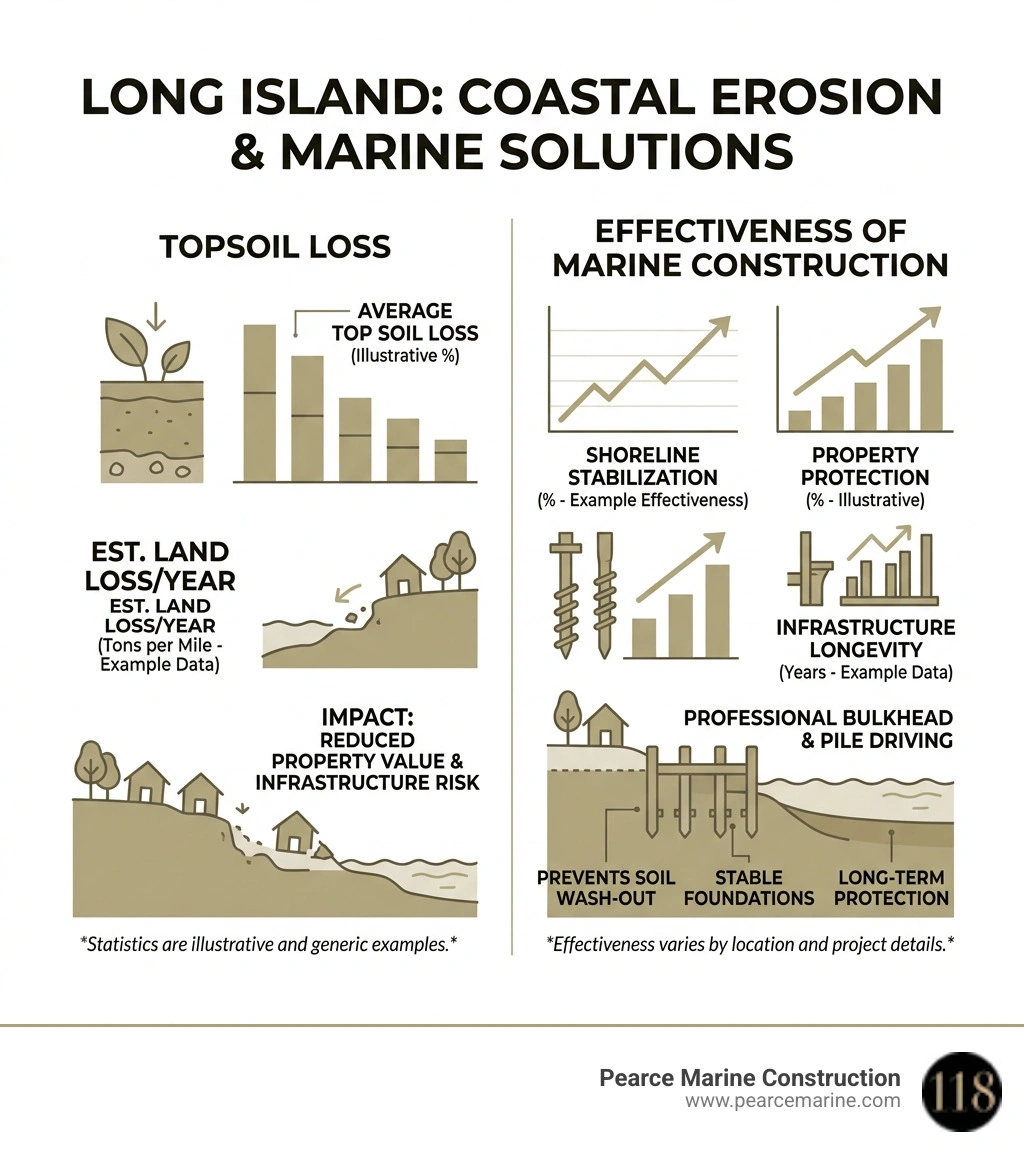
The numbers tell a sobering story. Up to 100 tonnes of topsoil per hectare can be lost in a single year on unprotected land. And it takes 300 to 400 years for nature to build back just one centimeter of that soil.
For Long Island homeowners in Nassau and Suffolk Counties, the threat is even more immediate. Tidal fluctuations, Nor'easter storm surges, and the constant wake action from boat traffic all work together — eating away at shorelines year after year.
The land doesn't announce when it's losing the battle. It just quietly disappears.
This guide covers the engineering-grade erosion prevention strategies that actually work for coastal and waterfront properties — from bulkhead materials and pile systems to revetment design and drainage solutions.
Essential Erosion prevention strategies terms:
Engineering-Grade Erosion prevention strategies for Long Island Shorelines
In May 2026, coastal engineering has advanced to meet the challenges of rising sea levels and more aggressive storm patterns. For our clients in West Islip and Babylon, a "one-size-fits-all" approach to shoreline stability simply won't cut it. Effective Shoreline Erosion Solutions require a deep understanding of local geology and hydraulic forces.
The primary goal of any coastal defense is to manage wave energy. When waves hit a vertical surface, that energy has to go somewhere. If the structure isn't designed to dissipate or withstand that force, the soil behind it will eventually succumb to scour and subsidence. This is why we focus on Coastal Erosion Prevention Guide principles that prioritize structural integrity and long-term durability.

Structural Erosion prevention strategies: Bulkheads and Seawalls
When it comes to Shoreline Stabilization Services, bulkheads and seawalls are the heavy hitters. On Long Island, we utilize several primary materials, each with a specific lifespan and performance profile.
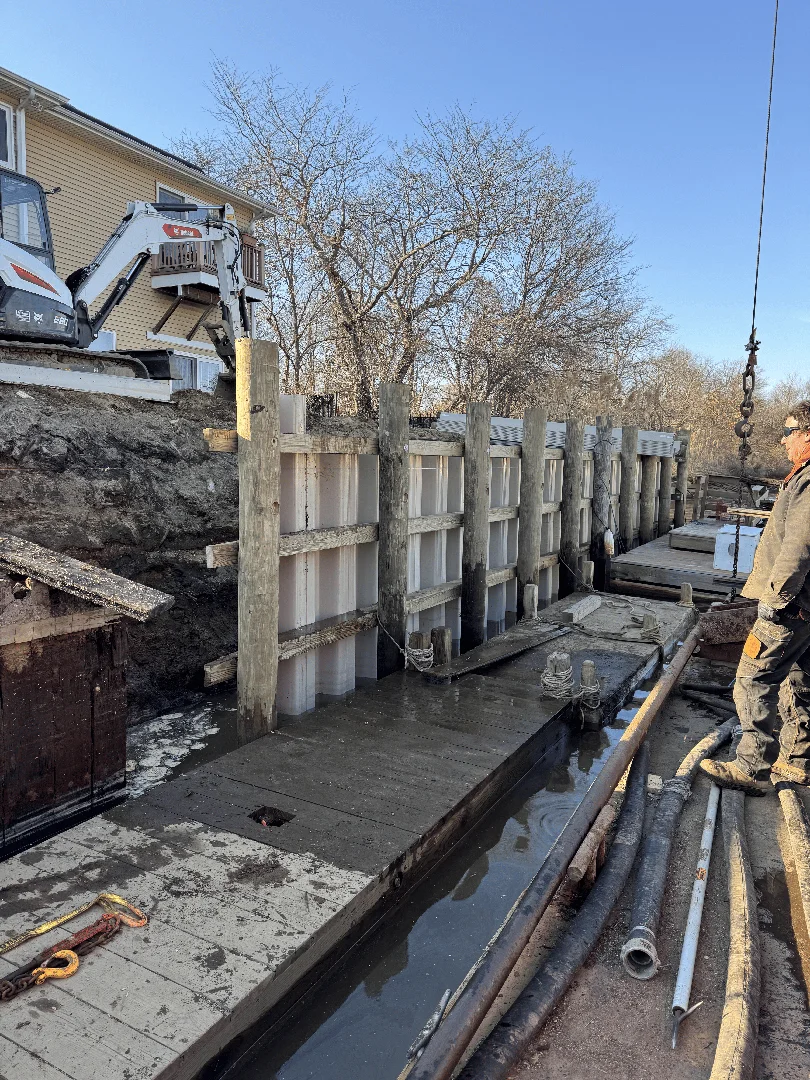
- Vinyl Bulkheads: These are the modern gold standard for residential canals in places like Merrick and Wantagh. They are rot-proof, UV-resistant, and generally last 30–40 years.
- Steel Sheet Piling: For high-energy environments or commercial applications, steel provides unmatched structural strength and can last 35–50 years when properly coated.
- Timber Wall Reinforcement: While traditional, timber requires high-quality pressure treatment to survive the marine environment. We often use timber for aesthetic consistency, but it requires more frequent Shoreline Erosion Best Practices maintenance to reach its 20-year potential.
| Material | Expected Lifespan (Years) | Best Use Case |
|---|---|---|
| Vinyl | 30 - 40 | Residential canals/low-energy bays |
| Steel | 35 - 50+ | High-energy shorelines/commercial |
| Concrete | 40 - 50+ | Heavy-duty seawalls |
| Timber | 15 - 20 | Protected waterways/aesthetic focus |
Heavy-Duty Riprap and Revetment Installation
Sometimes, a vertical wall isn't the best answer. In areas with significant boat wakes or heavy tidal surges, a Rock Revetment is often superior. By placing large, angular stones (riprap) along the shoreline, we create a sloped surface that breaks up wave energy.
According to the USDA NRCS in their guide on Causing and Controlling Erosion, energy dissipaters like riprap are essential for preventing the "scour" that often undermines vertical walls. For our Shoreline Protection Long Island Guide, we recommend riprap for properties in South Hampton and West Hampton where open-water fetches allow waves to build significant momentum.
Advanced Drainage and Anchoring Systems
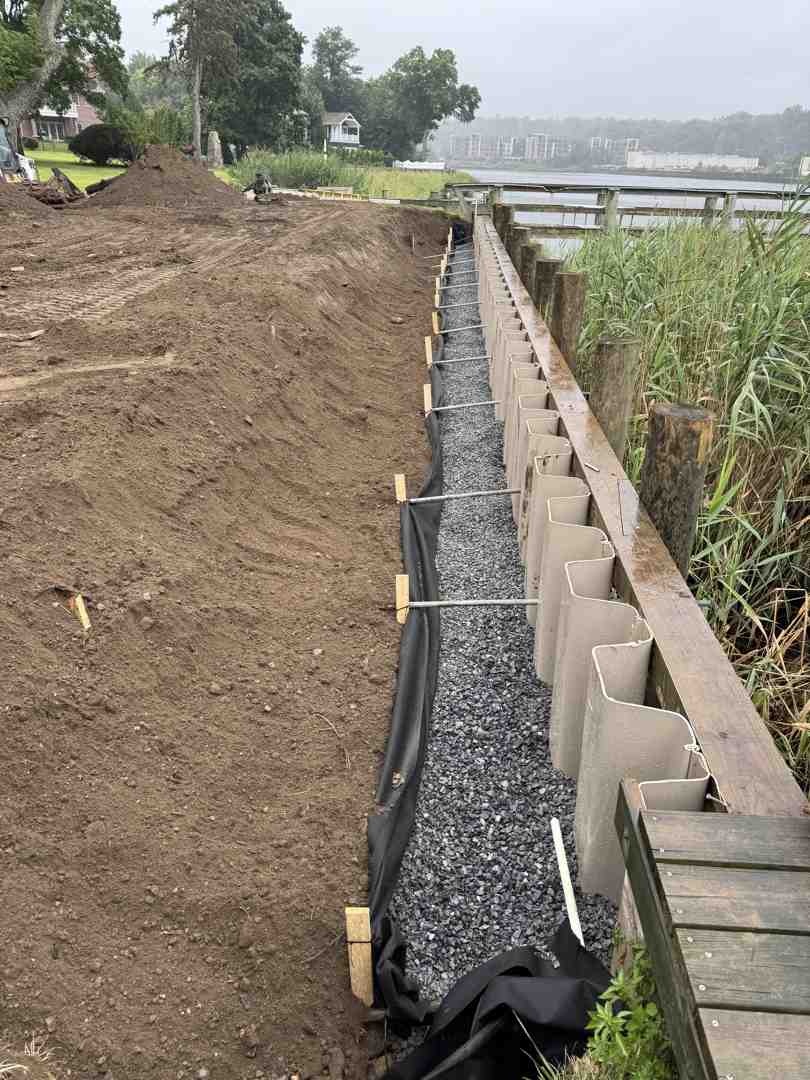
The greatest threat to a bulkhead isn't actually the water in front of it—it’s the water behind it. Hydrostatic pressure builds up in the soil after heavy rains or high tides. Without proper Waterfront Erosion Control drainage, this pressure can push a wall outward, causing it to lean or "kick out" at the bottom.
We implement Erosion Control Solutions that include:
- Weep Holes: Strategically placed openings that allow water to drain from the backfill.
- Tie-Back Systems: Heavy-duty rods connected to "deadmen" (anchors) buried deep inland to hold the wall vertical.
- Helical Piles: These screw-like steel shafts are bored deep into the stable substrate below the sandy Long Island topsoil, providing a rock-solid foundation for docks and bulkheads alike.
Professional Implementation of Erosion Control Measures
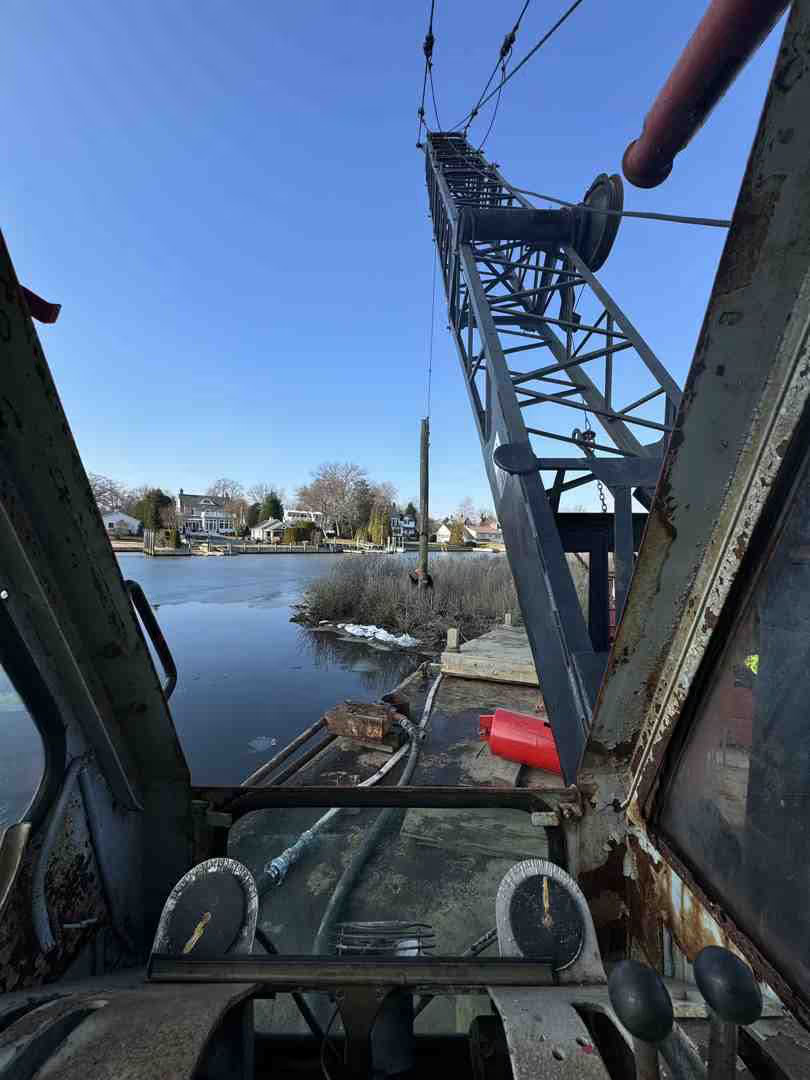
Installing Erosion prevention strategies is a high-stakes engineering task. In Suffolk County, where sandy soils are the norm, improper site grading or poor pile driving can lead to structural failure within just a few seasons. We utilize specialized marine equipment to ensure every pile is driven to the correct depth and every anchor is set with precision.
Permanent Erosion prevention strategies for Coastal Infrastructure
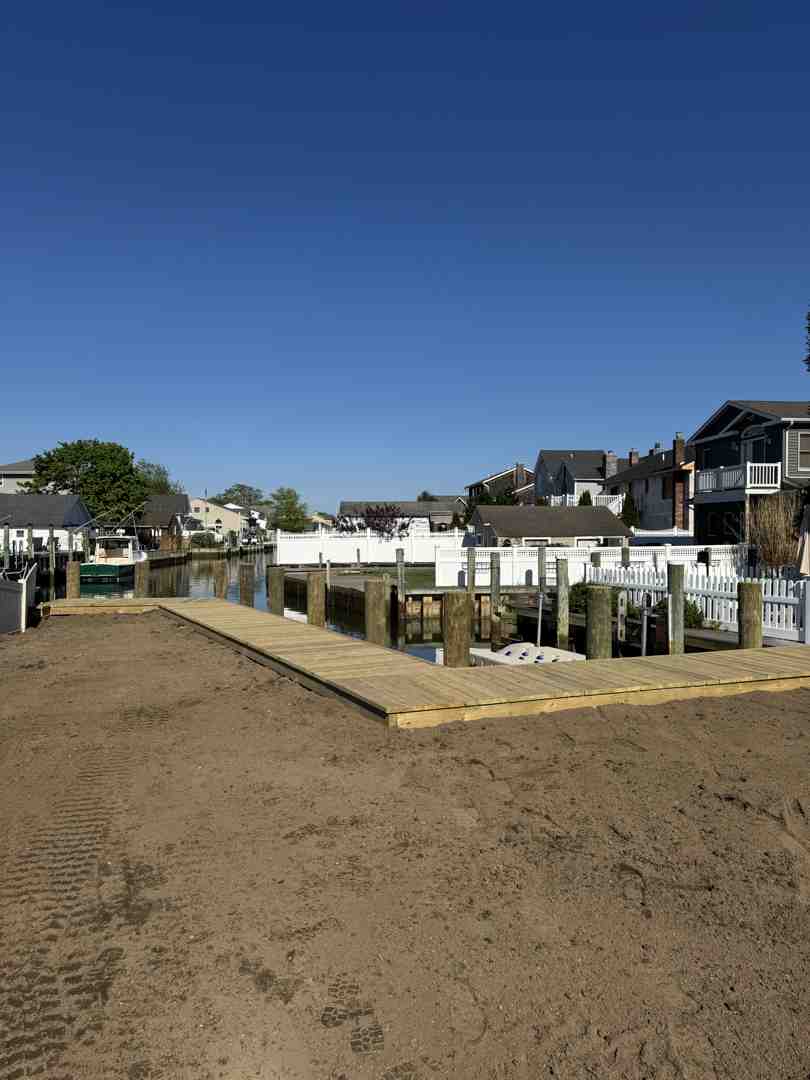
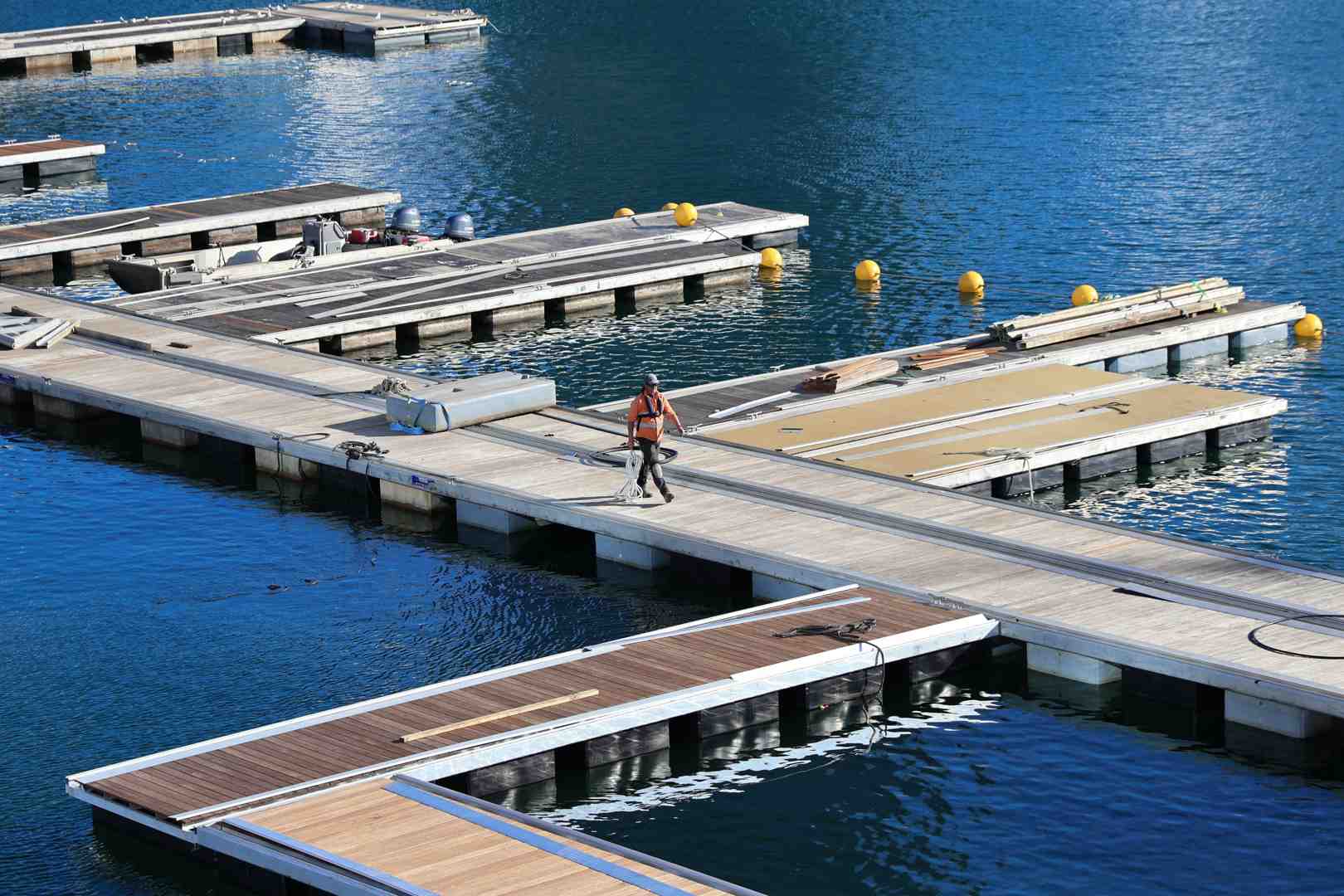
Temporary fixes like silt fences are fine for a construction site, but for long-term property protection, you need permanent infrastructure. Our Beach Erosion Long Island Guide emphasizes that structures like custom decking and structural walkways must be integrated into the erosion control plan.
For example, when we build a dock or pier in Cold Spring Harbor or Huntington, we don't just look at the boards on top. We look at the pile driving depth and the soil's resistance. As noted in the 3.8 Erosion Prevention Methods manual, the geometry of the slope and the stability of the structures built upon it are inextricably linked.
Shoreline Restoration and Backfilling Techniques
If you’ve already lost land to the bay, we can help you get it back. Shoreline restoration involves more than just dumping dirt; it requires a Erosion Solutions Long Island approach that includes:
- Structural Containment: Installing a new bulkhead or revetment to create a boundary.
- Backfilling: Using high-quality, compactable fill to raise the grade.
- Compaction: Ensuring the soil is dense enough to resist settling.
- Surface Stabilization: Integrating drainage solutions to prevent future washouts.
Our Coastal Erosion Protection Tips 2026 focus on using modern materials like geotextiles behind the bulkhead to prevent the "fines" (small soil particles) from washing out through the weep holes, a common cause of sinkholes behind older walls.
Choosing the Right Marine Contractor in Nassau and Suffolk
Living on the water in Lloyd Harbor or Bayshore is a dream, but protecting that dream requires a contractor who knows these waters. At Pearce Marine Construction, we bring generational expertise and meticulous craftsmanship to every project. We understand the specific regulatory requirements of the NYS DEC and the unique soil challenges of both the North and South Shores.
Whether you are in Southampton or West Hampton, don't wait for the next big storm to test your shoreline. We offer Expert Bulkhead and Seawall Construction that stands the test of time, ensuring your land stays exactly where it belongs.
Ready to secure your shoreline?Our team specializes in the heavy-duty engineering required for Nassau and Suffolk County waterfronts. From the initial site assessment to the final pile driven, we ensure your property is protected against the relentless forces of the Atlantic and the Long Island Sound.

Bring Your Vision to Life
Whether you're planning a custom dock, seawall, or boat lift, our experienced team is ready to deliver high-quality marine construction tailored to your needs. Pearce Marine Construction brings craftsmanship, precision, and a deep understanding of Florida’s waterways to every project. Let us help you create a durable, beautiful solution that stands the test of time. Get in touch now for a personalized estimate!